
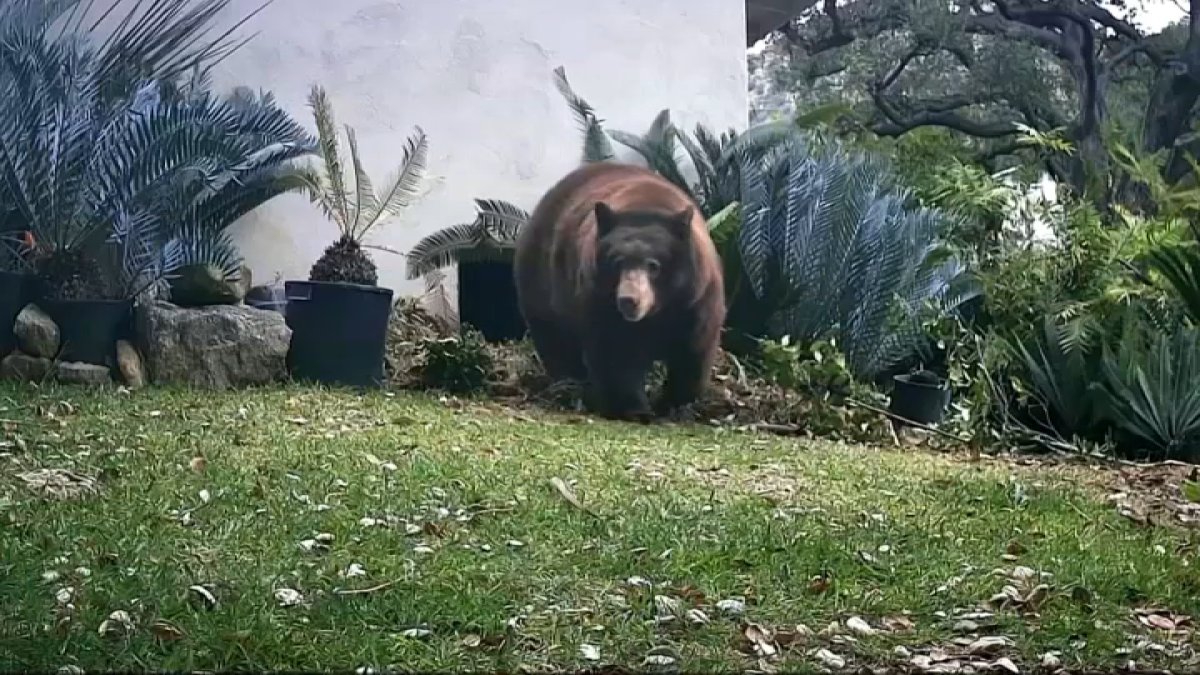
The bear that swiped at a woman as she was walking her dog in Monrovia over the weekend has been euthanized, according to the California Department of Fish & Wildlife (CDFW).
Wildlife officials said they came to the decision to euthanize the animal in the name of public safety after they deemed her to be a threat. A spokesperson for CDFW said DNA test results taken from the bear confirmed the weekend’s encounter was her second attack in the area.
“It’s not something that we want to do, but public safety is first and foremost of importance to us,” CDFW spokesperson Cort Klopping said.
According to wildlife officials, the California black bear was tranquilized and captured on Sunday. The DNA results showed she approached an elderly man on his porch and clawed at him in June of 2025. They also determined it was the same bear that swiped at a woman who was on a walk with her dog on Saturday.
“This is not the first time that this bear has had this kind of an interaction with a human, so that makes it more concerning,” Klopping said. “It lends itself to more of a pattern of behavior rather than a one-off.”
The bear was a mother to at least two cubs. Monrovia residents said they knew the mother bear as “Blondie” and saw her and her cubs roam through their neighborhoods often. According to residents, the family of bears had been living underneath a home on Oakglade Drive for weeks.
Ashley Howie, a resident of Monrovia, said she and her neighbors were able to recognize “Blondie” since she frequented the area. Howie said she’s angry at CDFW’s decision to euthanize her.
“I totally understand this bear could be deemed as aggressive, I totally understand that,” Howie said. “But, I do wish a relocation elsewhere, even if it’s farther out, even if it wasn’t our mountains, could have been a better option for her.”
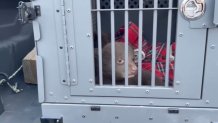
“Blondie’s” cubs were removed from a home and placed into a wildlife rehabilitation facility permitted by CDFW. Wildlife officials said the cubs will have very minimal human interaction and be released back into their natural habitat once they’re old enough.