
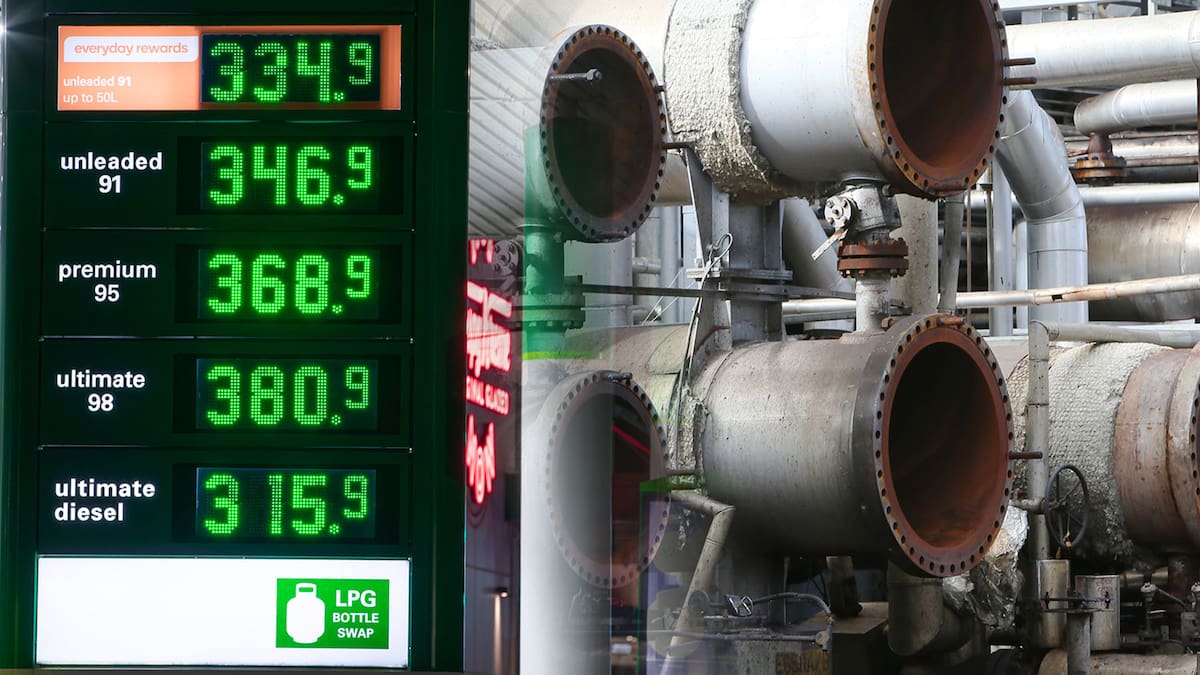
The report also shows the average retail price of Unleaded 91 on February 28 was $2.57, but that jumped by 55c by March 18 – a 21% jump.
Last week, the Commerce Commission announced plans to increase scrutiny of petrol companies.
Commissioner Bryan Chapple said he has communicated with fuel companies and is prepared to publicly “call out” pricing that exacerbates ongoing global price movements.
“Nobody wants to see fuel companies using the situation in the Middle East as an excuse to unjustifiably increase prices at the pump. Any retail price increases should be aligned with actual increases in the cost of sourcing fuel.
“Public scrutiny is a powerful tool and we will use it,” Chapple said.
“We want consumers to feel confident that petrol price increases are justified and that decreases in global costs are passed through to retail prices as quickly as the increases have been.
“The gap between rising international costs and slower retail movements aligns with patterns seen during previous global shocks but it is not a licence for fuel companies to increase prices excessively.”
As of March 15, New Zealand’s combined petrol, diesel and jet fuel stocks equated to about 49 days of cover nationwide, including fuel being held in storage and fuel on ships bound for New Zealand.
That is slightly below the levels held on March 8, when New Zealand had a combined 52 days of cover.
Earlier this week, Willis urged people not to panic-buy fuel.
“There are about 50 days of petrol and diesel in the country, or on the way here, which is normal,” she said, noting that petrol stations that had run dry had done so because they were offering heavily discounted promotions.
Sign up to The Daily H, a free newsletter curated by our editors and delivered straight to your inbox every weekday.