
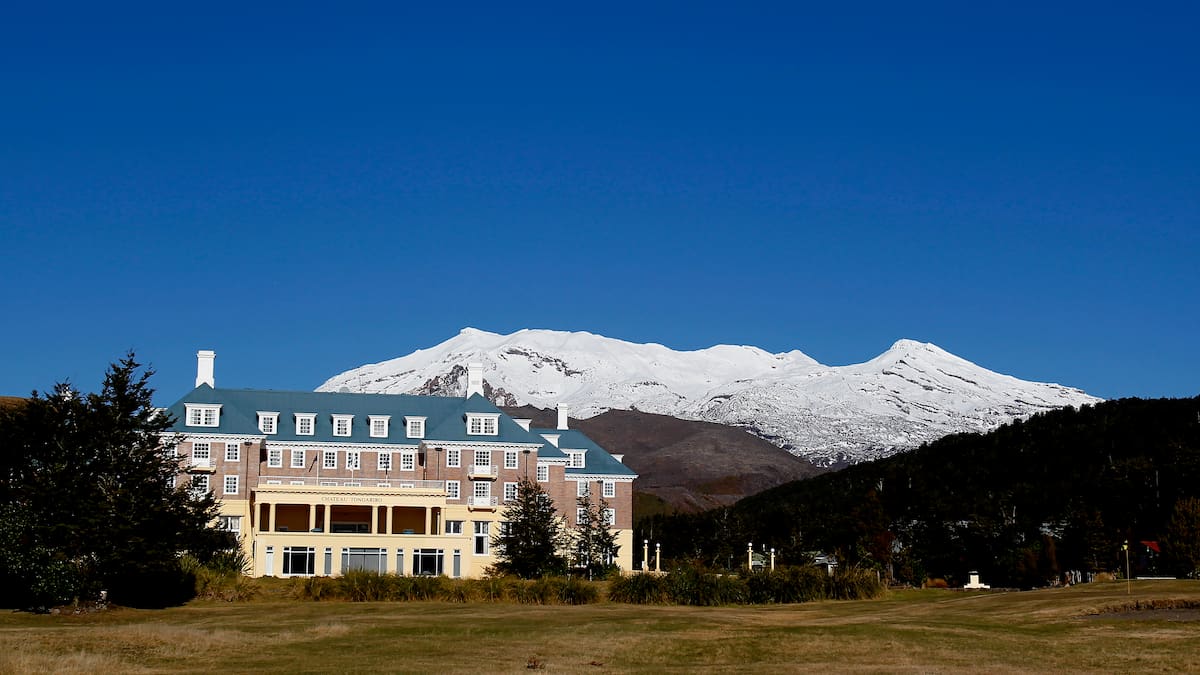
The estimate is based on a building condition assessment summary, prepared by surveyors Prendos, for the Department of Conservation.
There were several “immediate priorities”, including urgent roof, gutter and window repairs to “prevent further deterioration”, according to the document attached on the Government’s tender service, for potential investors and companies to take note of.
The report noted health and safety risks needed to be addressed, according to a closer look in 2023, and detailed the importance of maintaining heating and ventilation systems to prevent dampness, mould growth and service pipes freezing over.
A staged approach to doing up the derelict site was recommended in the report, with initial stabilisation works followed by seismic upgrades, external repairs and internal renovations to finish.
Ruapehu District Mayor Weston Kirton told Newstalk ZB he was confident people would be interested and said the people he was speaking to were aware of the magnitude of the project and the costs of maintenance, strengthening, heritage and fit-out.
“We’ve got an investor coming this weekend to the area and they’re going to be discussing the progress that they’ve made so far. The fact that we’ve had this announcement will give them some confidence, even more,” Kirton said.
Proposals to take over the chateau are due to start being evaluated on April 22, but documents state there is no guarantee a company will be found to take over the chateau and any decision will ultimately be up to the minister.
They note the Department of Conservation wants a “financially sound” option that delivers a “sustainable, long-term hospitality business” and the department would need to see proof that any proposed investment will result in a “viable and enduring business” that aligns with the values of the national park and local iwi and hapū.
The DoC paper stated the Tongariro National Park had “important Māori cultural and spiritual associations” as well as outstanding natural features.
A Treaty settlement relating to the Tongariro National Park remains unresolved, the documents note, and anyone who takes over the chateau would also need to be “cognisant of future Treaty settlement negotiations” and how they may impact the site.
A prior detailed seismic assessment summary found the building had a 15% New Building Standard rating, recognising it as quake-prone, with “critical structural weaknesses” including “vulnerable concrete frames” and a “very high life-safety risk”.
A DoC-commissioned building-status memo noted the site would remain classified as an earthquake-prone building under proposed legislative changes.
Potaka said he could not confirm the cost of bringing the chateau back to life and he wanted to see an enduring solution rather than a “one-hit wonder”.
“Expressions of interest, no doubt, will have parties with different views about what type of finish any restoration will require. The fit-out goes with that. It’s probably better for the private market to get a better sense of what the expected costs will be depending on the outcome that they are trying to deliver,” the Conservation Minister said.
Potaka also echoed the importance of the site.
“The chateau is a landmark many New Zealanders have visited for holidays to school trips and international visitors experiencing Tongariro for the first time.
“The buildings and the facility are critical to the region’s identity. There has been a lot of talk, expressions of interest, and, of course, observations from a number of key stakeholders, including tangata whenua groups.”
Azaria Howell is a multimedia reporter working from Parliament’s press gallery. She joined NZME in 2022 and became a Newstalk ZB political reporter in late 2024, with a keen interest in public service agency reform and government spending.