

Listen to this article
Estimated 4 minutes
The audio version of this article is generated by AI-based technology. Mispronunciations can occur. We are working with our partners to continually review and improve the results.
Ontario is planning to create a provincewide electronic medical record system for primary care, more than two decades after the government first embarked on what became a scandal-plagued eHealth project.
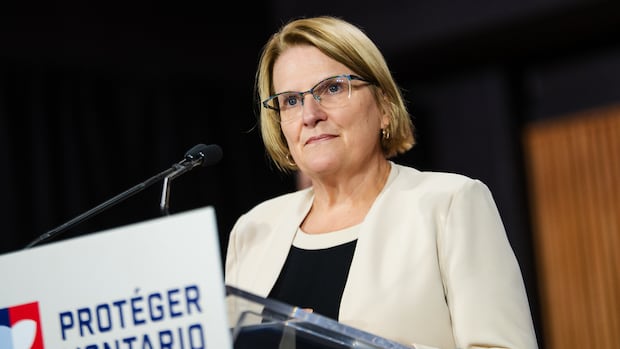
Health Minister Sylvia Jones announced Thursday that the province is starting by talking to potential vendors about what is possible.
“[It’s asking] do you have the capacity to do this work? Show us what that would look like, and how do they talk together when we have multiple systems, whether, again it’s in hospitals, in labs, in physicians’ offices,” she said.
It will be a benefit both for patients and primary care providers, said Dr. Jane Philpott, chair of Ontario’s primary care action team and a family doctor by training.
“For example, if a patient ends up in the emergency department and their medical history isn’t readily available, it can create real challenges,” she said.
“Patients want and deserve for everyone in their circle of care to have a comprehensive view of their health information, their allergies, their medications, their vaccinations, test results, no matter where they were done. When that information is missing, it can not only lead to safety risks, but it can also lead to unnecessary repeat tests and delays in care.”
Most primary care providers are already using electronic records, but their systems are isolated, Jones said.
“What we need to do next is expand it so that those lab results, so that those hospital visits, so those conversations with Ontario Health atHome and home care workers can all be part of that record, because, frankly, that is the entire person,” she said.
Officials provide no cost estimate of system
Government officials would not say what the cost estimate is ahead of the market sounding exercise.
Ontario began trying to create integrated electronic medical records for patients in the early 2000s, but in 2009 the then-Liberal health minister was forced to resign after the auditor general said the eHealth agency had spent $1 billion but had little to show for it. A followup report from the auditor general in 2016 said $8 billion had been spent to that point on various electronic health record initiatives.
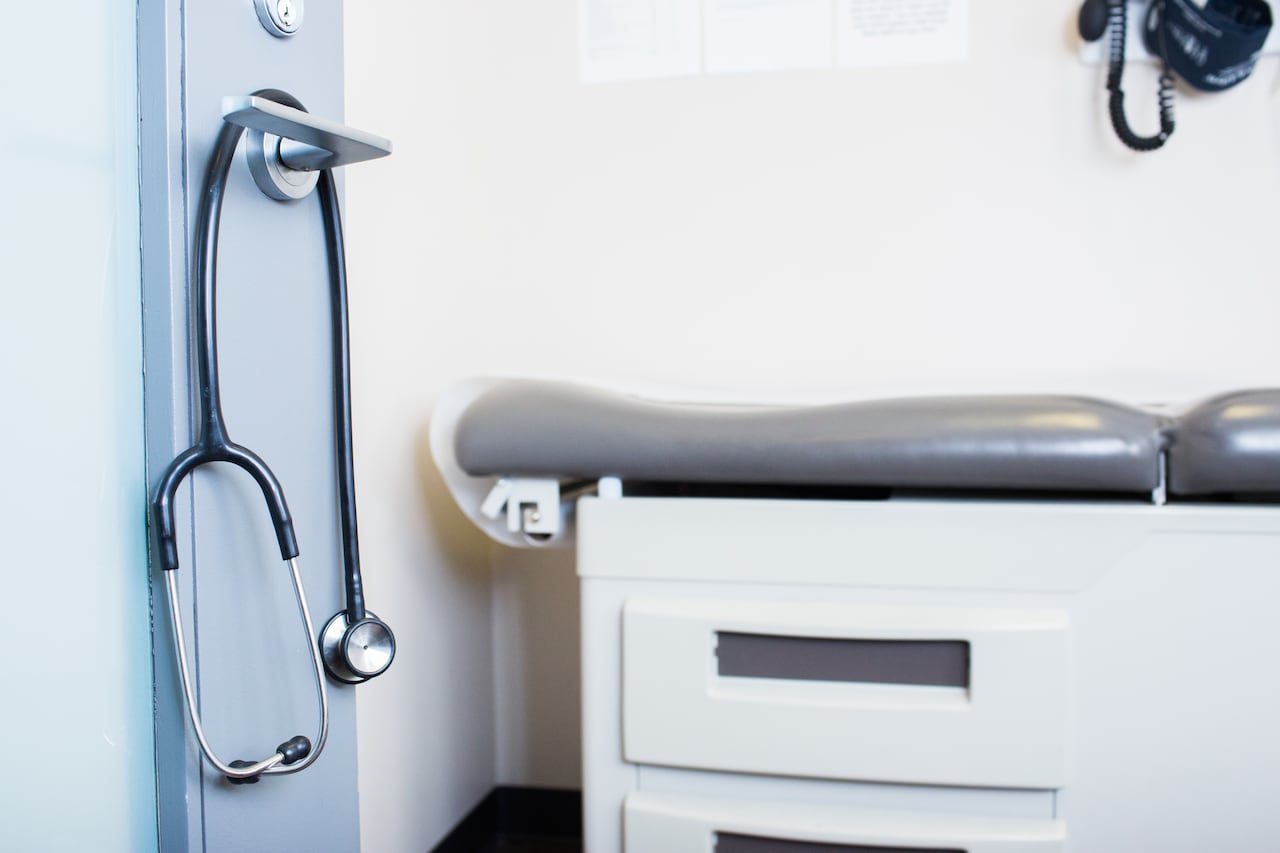 Government officials said when the new system is rolled out, participation will be voluntary for both health professionals and patients. They are looking at supporting doctors with the costs of transitioning to the new records. (Katherine Holland/CBC)
Opposition health critics said creating integrated, electronic medical health records is a laudable goal, but they are skeptical about the rollout under Premier Doug Ford’s government.
In particular, they pointed to security of patient data and privacy as key concerns, especially given a privacy breach involving home care patients’ data last year.
“As I listened to the announcement today, it’s evident they don’t have a timeline for rolling this out … and they’re flying blind in the absence of learning from past lessons, as we’ve seen with Ontario Health atHome,” Liberal health critic Adil Shamji said.
“It is inevitable that this will either not follow through at all, or will do so with a suboptimal product that will only put patient care at risk.”
Rollout needs to be ‘seamless,’ NDP health critic says
NDP critic Robin Lennox, a family doctor, said the idea is a great one, in principle.
“I think there will be a lot of apprehension about this change unless we make sure that the implementation is going to be as seamless as possible, and that we’re truly going to see a reduction in administrative burden for our doctors,” she said.
“If we can do that, I think we will have a positive reception.”
Government officials said when the new system is rolled out, participation will be voluntary for both health professionals and patients. They are looking at supporting doctors with the costs of transitioning to the new records.
Finance Minister Peter Bethlenfalvy also announced Thursday that next week’s provincial budget will include another $325 million for primary care, as Jones said the government is so far on track toward its goal of attaching everyone in the province to a primary care provider by 2029.