
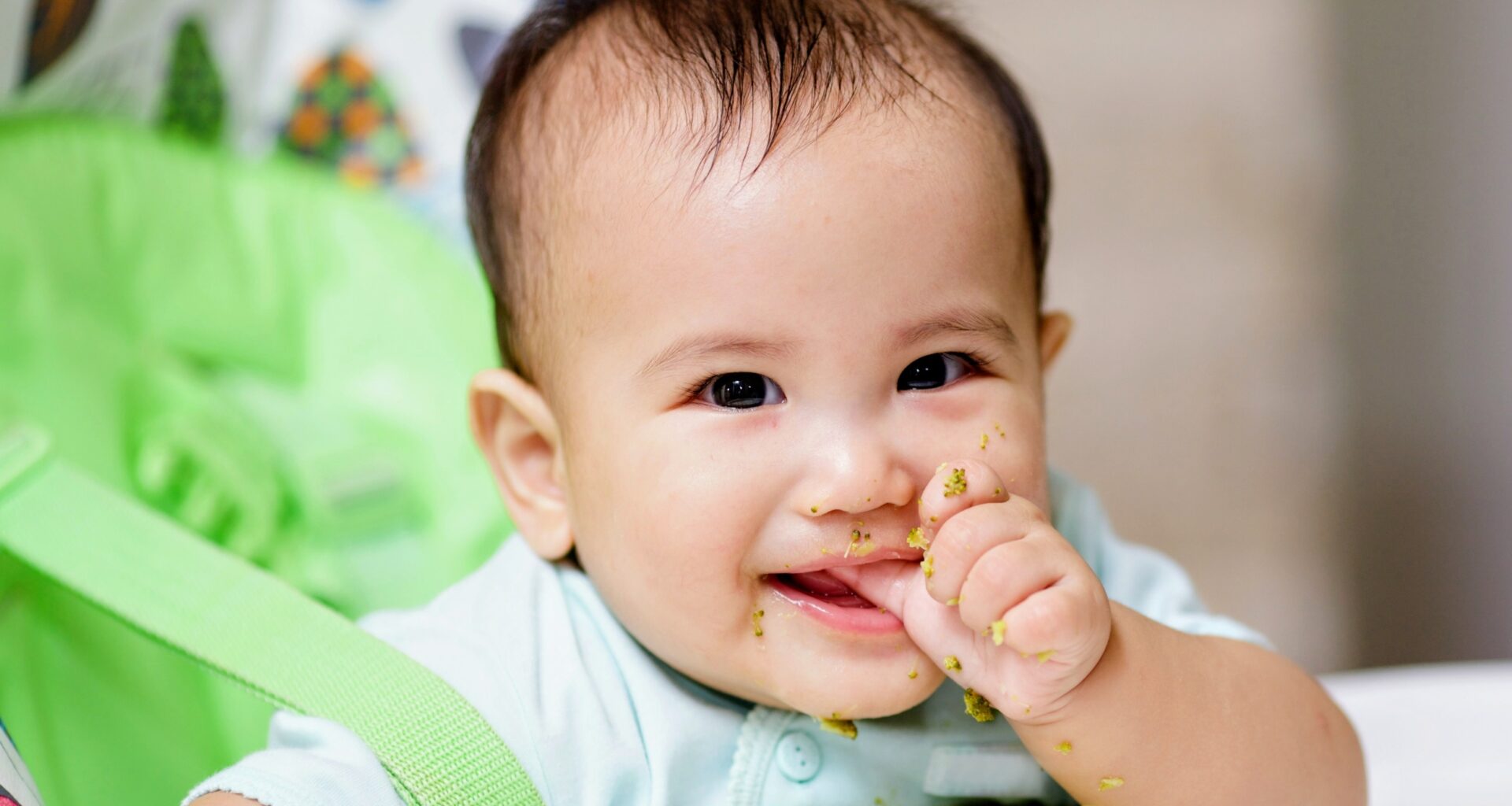
Can babies grow normally without eating animal foods? For many families choosing vegan or vegetarian diets, that question has remained a constant concern during the earliest and most vulnerable years of life.
A new analysis of nearly 1.2 million infants offers reassuring evidence: children raised in plant-based households generally grow at the same pace as other toddlers by age two.

The findings suggest that when diets are properly planned and supported with key nutrients, plant-based feeding during infancy does not appear to hinder physical development.
Plant-based baby diets
Across thousands of routine clinic visits in Israel, babies from vegan, vegetarian, and omnivorous homes were measured and followed through their second birthdays.
Analyzing those national health records, Kerem Avital at Ben-Gurion University of the Negev (BGU) documented that growth in weight, length, and head size closely tracked across diet groups.
Small differences appeared in early infancy, yet they narrowed steadily as children approached age two.
Those patterns left one key question unresolved at this stage: whether early weight differences carried lasting consequences or simply reflected where some babies began.
Diet type showed little difference
By age two, toddlers raised in vegan and vegetarian households were about the same size as children who ate animal foods.
Measurements of weight, height, and head size followed nearly identical growth paths throughout the first two years of life.
Some babies started out slightly smaller, but once researchers considered birth weight – which often shapes early checkup results – most of those early differences became even smaller.
The averages did not mean every child grew the same way, but overall the patterns looked exactly like what pediatricians expect to see in healthy, well-nourished toddlers.
A brief early weight dip
In the first two months of life, babies from vegan households were somewhat more likely to be classified as underweight than other infants.
Even so, the difference was modest, and it gradually disappeared as the children grew. By age two, the gap was no longer statistically meaningful.
These findings show why early newborn checkups matter, because small nutrition gaps can appear before families establish feeding routines.
Stunting stayed rare
Very few toddlers in any group were unusually short for their age by 24 months. “Stunting” is a term used by the World Health Organization to describe growth far below typical age-based expectations.
Across all diet types, only about three to four percent of babies met the definition of stunting.
The similar rates across diets matched the nearly identical growth patterns seen throughout the study, though pediatric care still focuses on individual children rather than population averages.
Plant-based diet and baby birth size
Babies from vegan households tended to start life slightly smaller – on average about 3.5 ounces lighter and 0.2 inches shorter at birth.
Beginning a little smaller can make early checkups look different, even when growth afterward proceeds at a healthy pace.
Once researchers accounted for birth weight, most growth differences between diet groups became much smaller, suggesting many babies simply started from slightly different baselines.
Because the records did not include detailed information about pregnancy nutrition or supplement use, the reasons for these small birth-size differences remain unclear.
Early feeding shaped results
For the first months, babies mostly lived on breast milk or formula, no matter what adults ate at home.
Family diet labels entered the records after solid foods began, so they reflected the meals caregivers later offered and modeled.
Longer breastfeeding was more common in vegan households, which may have shaped early weight patterns without changing long-term growth.
That context matters, because the results describe a full caregiving environment, not a single food choice made once.
Key nutrients still matter
Vegan diets cut out the main natural source of vitamin B12, needed for healthy nerves and blood, which is found in animal foods.
Fortified foods and supplements can replace that nutrient, and breastfed babies depend on what the nursing parent consumes.
Other key nutrients also demand attention in plant-based households, since toddlers grow rapidly and can deplete limited reserves.
Dietitians have long said that well-planned vegetarian diets support babies and every other life stage, as long as families secure reliable B12 sources.
Support helps families succeed
Regular checkups and clear feeding advice can catch early underweight and keep plant-based families from guessing.
Nutrition counseling helped caregivers choose enough calories, protein, and supplements during pregnancy and infancy, when growth is fastest.
“In the context of developed countries, these findings are highly reassuring,” said Avital.
That reassurance depends on support systems, since families without nutrition help may struggle to plan or afford key foods.
Plant-based diets and baby health
Even with its large size, the dataset could not capture what each child actually ate day to day.
Diet categories relied on a single caregiver report, meaning researchers could not track supplements, fortified foods, or how meals changed over time.
Follow-up also ended around age two, leaving open the possibility that later growth, bone health, or development could differ in some families.
These gaps highlight why future research needs to examine diet quality more closely, since “plant-based” diets can range from whole foods to heavily processed substitutes.
Moving forward, more detailed dietary tracking and expanded nutrition guidance will be key to understanding how plant-based diets shape babies’ development beyond the first two years.
The study is published in the journal JAMA Network Open.
—–
Like what you read? Subscribe to our newsletter for engaging articles, exclusive content, and the latest updates.
Check us out on EarthSnap, a free app brought to you by Eric Ralls and Earth.com.
—–