
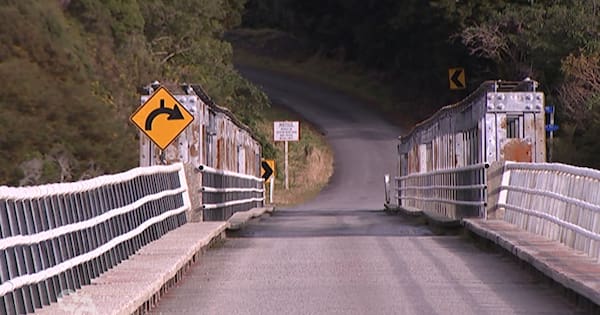
Six of New Zealand’s most remote roads are set to lose their full government funding next year, sparking a backlash from mayors who say their small communities cannot afford to pick up the bill.
From June 2027, the six special purpose roads — currently 100% funded by the NZ Transport Agency (NZTA) — will lose that status, forcing local councils to contribute to maintenance costs for stretches that are often battered by slips, storms and heavy seas.
The issue involves four roads in the North Island — three in the Urewera, and Cape Palliser Rd — and two in the South: the Haast to Jackson Bay road and route to Karamea.
In 2014, the NZTA board decided to phase out 100% funding for special purpose roads over a decade. In 2023, mayors successfully pleaded for an extension, buying six roads time until 2027. That deadline is now bearing down.
Wairoa mayor Craig Little told Q+A his council had told NZTA in no uncertain terms that it would not accept the change.
“We’ve said to NZTA, don’t even bring it at us, because we ain’t going to do it, and it’d be a cold day in hell if it happened.”
When roads lose their special purpose status, NZTA assesses the local rating base to determine what percentage of costs councils should contribute, known as the financial assistance rate.
NZTA declined to be interviewed, as did the transport and local government ministers.
In a statement, the transport agency said no decisions had been made about funding assistance rates for the 2027 to 2030 period, and that it was discussing future funding arrangements with the respective councils.
Little said Wairoa ratepayers could possibly face picking up about 25% of the bill.
“That’s a huge cost for us.”
The Wairoa District Council wants to see its special purpose road reverted to state highway status, arguing the route had been a lifeline during natural disasters.
“When Cyclone Gabrielle came, we were shut off that way for three months, that way for a couple of weeks — that was the only road that they could bring the army trucks in.”
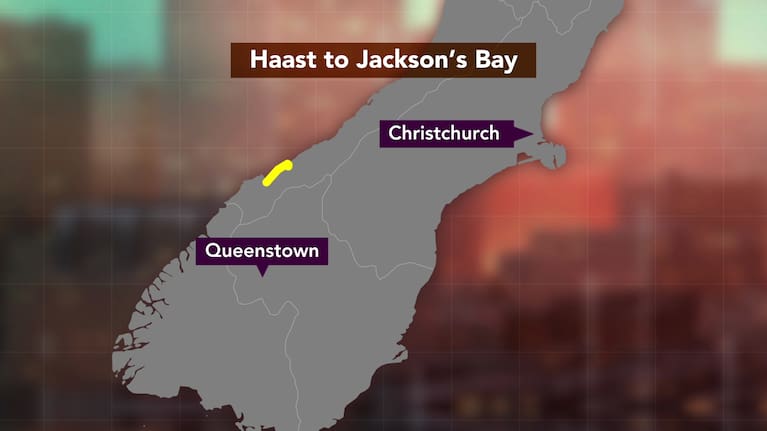
Westland mayor Helen Lash said asking her small ratepayer base to take on the funding burden for the road from Haast to Jackson Bay had been “extreme”.
“In the last couple of years, we’ve had more slippage in that area, which has closed the road, and we’ve had to do a lot of emergency works to get that road open – get tourists out that have been cut off in there.”
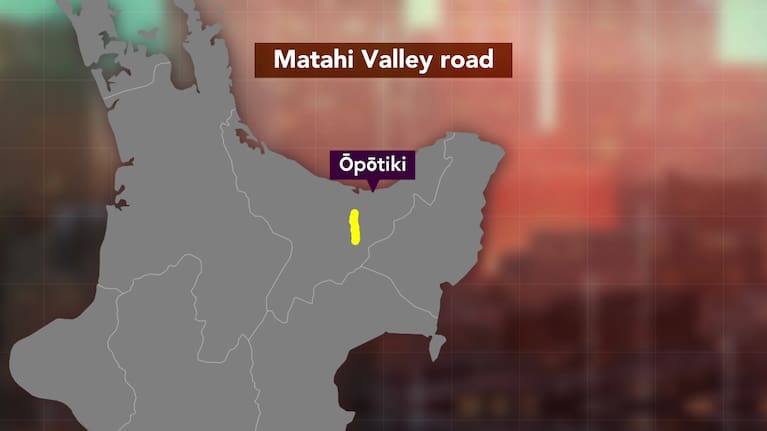
Whakatāne mayor Nandor Tanczos, whose council oversees the Matahi Valley Rd and a 60-kilometre stretch into Ruatāhuna, said the road had been vulnerable to slips and needed to remain fully funded.
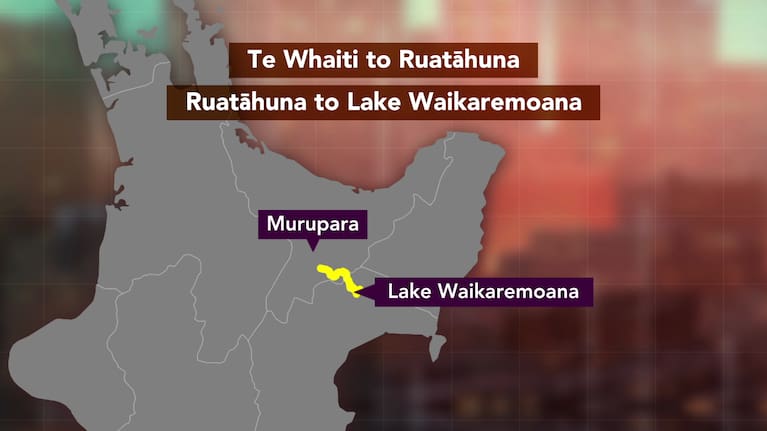
“It’s really critical that it’s maintained. This is why we say it has to be 100% funded by the Crown, because a community like ours, we just cannot afford to do that rebuild when it happens on the back of our ratepayers.”
In the Urewera, Ngāi Tūhoe has been trialling an alternative to bitumen on the roads using a tall oil pitch, a resin extracted from pine trees, to bind gravel — so far with success.
On the road to Karamea, contractors are always on standby to clear slips along the 60-kilometre special purpose stretch from Mokihinui.
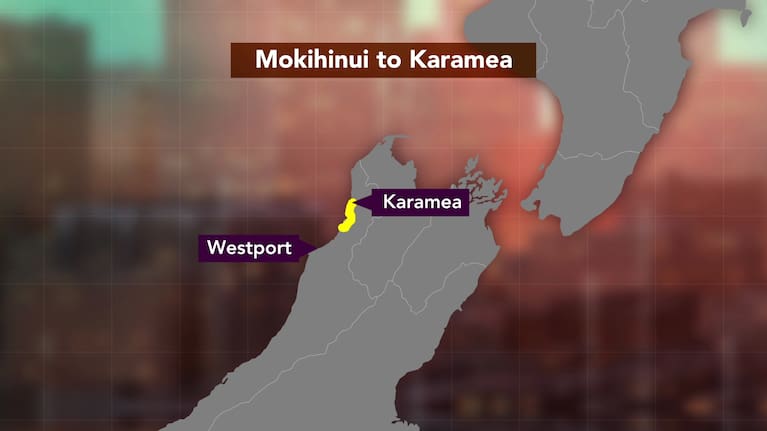
Buller mayor Chris Russell said his ratepayers simply could not afford to take on costs.
“Basically, they can’t afford it here in the Buller, we’re a very small ratepayer base, and particularly at Karamea, there’s only one way in — driving.
“The other way out is walking the Heaphy Track.”
Russell said he believed NZTA understood the importance of the road to locals.
In the Wairarapa, Cape Palliser Road has its own support group, with residents using QR codes to track traffic and gather feedback.
Resident Brian Jepson, who has travelled the road for 60 years and lived beside it for 40, said his biggest concern had been the funding change.
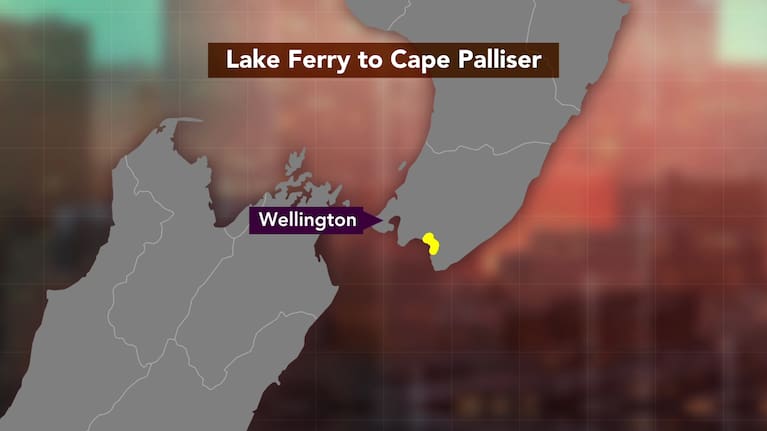
“There are certain spots in this road that get hammered just about every time there’s a big sea,” he said.
South Wairarapa mayor Fran Wilde, who has previously served on the NZTA board, said her council wanted to negotiate different funding arrangements for different sections of the road.
She said: “Some parts of it we think should still be 100% on NZTA … But other bits, we might do 100%, so it’s not just the whole road would be treated the same.”
“We will be putting everything on the table and saying, ‘this is why this road is significant. It’s not just a little local road serving a few people in baches.’.
“It has a much greater significance than that.”
For Whena Owen’s full story, watch the video above
Q+A with Jack Tame is made with the support of New Zealand On Air