

The Retirement Systems of Alabama (RSA) responded to a recent report by the Reason Foundation critiquing the RSA’s “unrealistic pension assumptions.”
The Reason Foundation’s Brayden Myers said recently that the gap between assets and liabilities in Alabama’s pension systems has persisted since legislators made reforms in 2011 and 2012.
The RSA’s Jo Moore, Diane Scott and Neah Scott stated, “The Reason Foundation claims that RSA’s 7.45% ARR is too high. As the basis for its conclusion, the Reason Foundation picks the random benchmark of the past 24 years, which had an average investment return of 6.4%. As with all pension systems where investments are made long-term, it is prudent to look at all historical investment returns not just one random snapshot in time.”
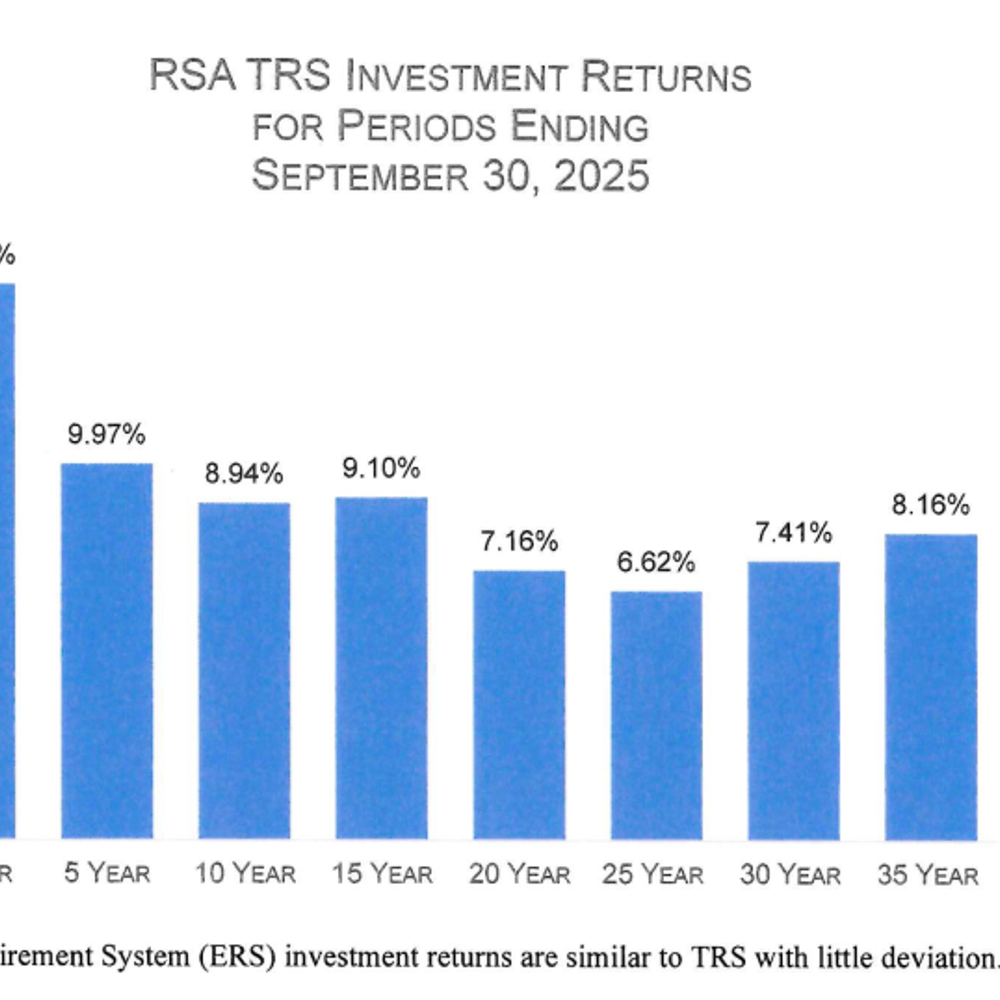
“If you look at all the numbers going back 40 years, RSA has exceeded the 7.45% ARR (assumed rate of return) in all years with the exception of Years 20, 25, and 30 and even then, those years were not terribly far off. Since adopting the 7.45% ARR, RSA’s average annual investment return has been 9.97%, exceeding the ARR by 2.52%,” the RSA said.
The RSA continued, “The Reason Foundation then criticizes RSA’s unfunded liability. First, let’s work from correct numbers. The Reason Foundation ranks RSA 47th in the nation for its ability to achieve its ARR; however, this ranking does not use the correct amortization period for RSA. The Reason Foundation uses a shorter amortization period than RSA’s actual period which skews the rankings to reflect unfavorably upon RSA. The Reason Foundation also uses the market value of assets to calculate the funded ratio in support of the premise that the volatility in the market hurts RSA. However, this is precisely why public pensions calculate the funded ratio using the smoothed value of assets, thereby mitigating some of this volatility. This avoids steep declines in the funded ratio, such as in 2021, or steep increases in the ratio in years of exceptional investment performance, like in 2024 when the ratio would have increased from 62.7% to 70.7%.”
“The Reason Foundation does correctly provide that RSA’s unfunded liability has increased. This increase occurred due to RSA adopting the actuarial changes recommended by the actuaries’ five year experience study. Every five years, independent nationally recognized actuary firms review RSA’s plan assumptions and recommend any changes needed to ensure the health of RSA’s pension plans,” the RSA said. “Not one but three independent actuary firms review RSA’s plan assumptions and make recommendations for any changes needed. In the last experience study, RSA did among other things decrease the ARR by .25%, update its mortality assumptions to assume longer life expectancies, and close its amortization period to 27 years (gradually moving towards a 20-year amortization period). All of these fiscally conservative changes did increase the unfunded liability of the system. As the Reason Foundation points out, such changes strengthen the pension system. If the three sets of independent actuaries recommend in the next experience study that the ARR further decrease, RSA will certainly follow their recommendation.”
To connect with the author of this story or to comment, email [email protected].
Don’t miss out! Subscribe to our newsletter and get our top stories every weekday morning.