
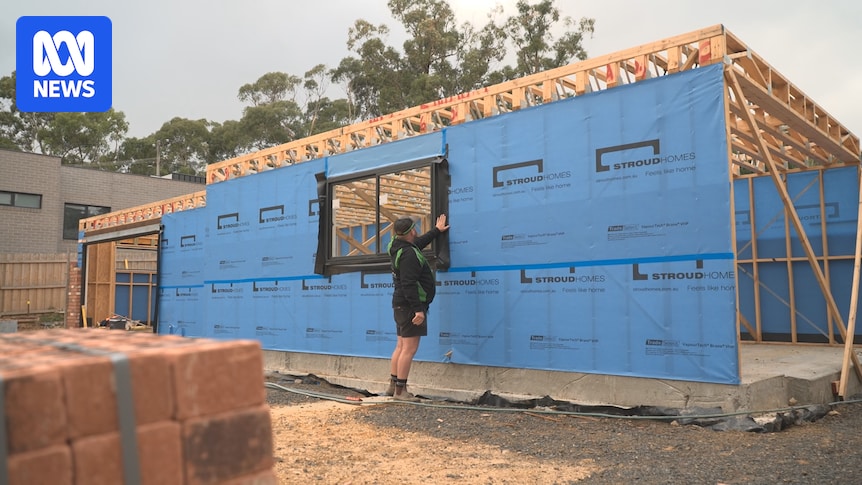
Alarm bells are ringing in Australia’s residential building industry, with some describing “considerable” supply chain disruption and price surges on crucial items as being “like COVID” again.
Suppliers are bringing in “emergency fuel levies” for everything from sand to concrete as petrol prices soar due to the war in the Middle East. Major companies that supply pipes for plumbing are even warning of shortages.
Iran war live updates: For all the latest news on the war in the Middle East, read our blog.
There are fears the situation will make building a home even more expensive in 2026, further threatening the Australian government’s pledge to build 1.2 million homes over five years.
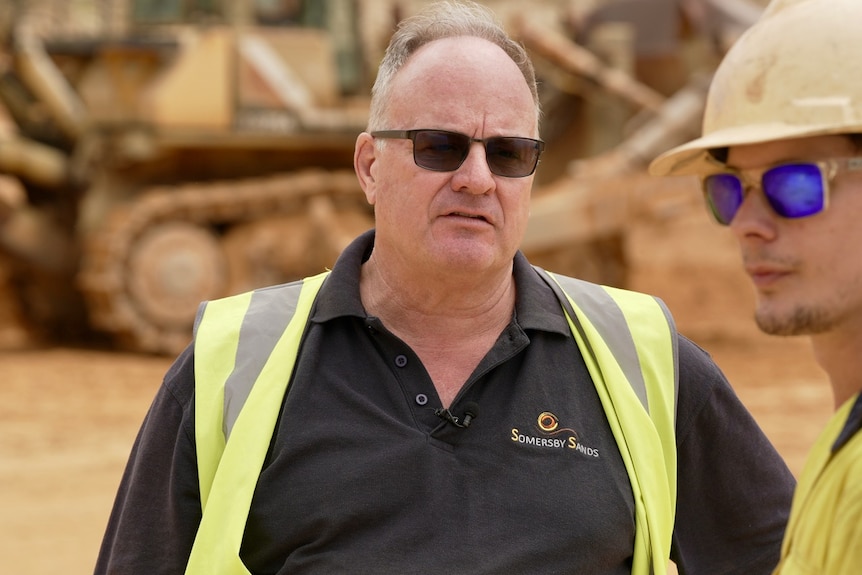
Andrew Skinner owns a quarry near Sydney that supplies fatty sand for bricklaying. (ABC News: John Gunn)
“The last time we had an impact like this was the beginning of COVID,” one supplier of building materials, Andrew Skinner, told the ABC.
“We’ve got this sudden price increase. A great deal of uncertainty on supply and pricing.”
Mr Skinner owns a quarry near Sydney that supplies “fatty sand” for bricklaying. The off-grid site churns through diesel, representing about 20 per cent of its overheads.
Diesel and petrol prices are surging globally as Iran chokes the crucial Strait of Hormuz passage, which delivers about 20 per cent of the world’s crude oil.
With no end to the war in sight, Somersby Sands has decided to introduce a “fuel surcharge” for its buyers, effective from March 17.
Currently, that is working out to an extra $1.50 charge on every $28 tonne of sand sold by Somersby, representing a price rise of more than 5 per cent.
“If we bear the whole cost of the increase in the fuel, it’s going to make a massive impact on our profitability,” Mr Skinner said.
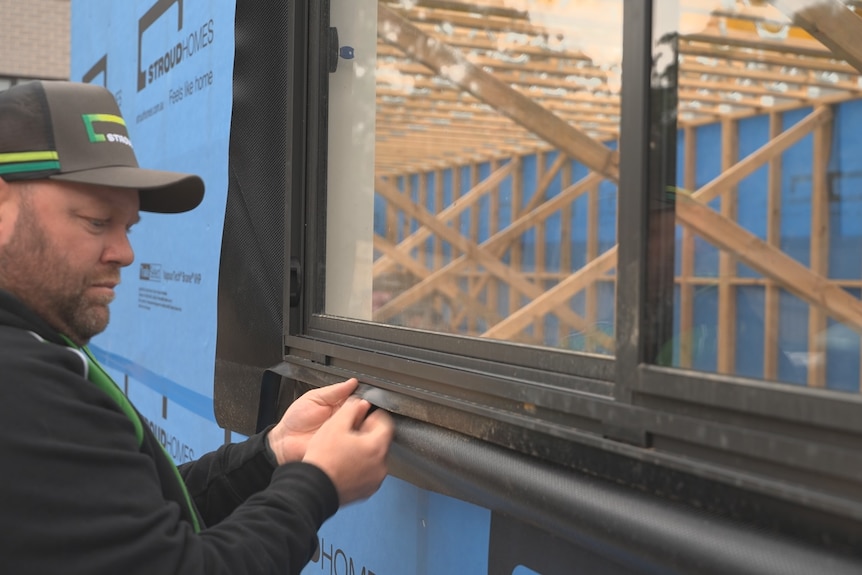
Bradley Vagg owns a building company in central Victoria. (ABC News: Scott Jewell)
It is not just sand. Central Victorian builder Bradley Vagg has been receiving immediate fuel surcharge notifications from his suppliers, including for concrete, bricks and roof flashings.
“Anything that pretty much comes on a truck and needs to be freighted to site has gone up in price due to the fuel,” he said.
“We sort of have no choice. They have what we want, and if we’re not willing to pay the increase, then they just won’t bring it to site.”
Loading
Mr Vagg said the costs would hit their profitability on fixed-priced contracts. He said they had asked clients for help absorbing the unexpected costs.
“[We’ve gone to them] pretty much cap in hand and asking for a favour,” he said.
“We are implementing [these price rises] into our contracts moving forward.”
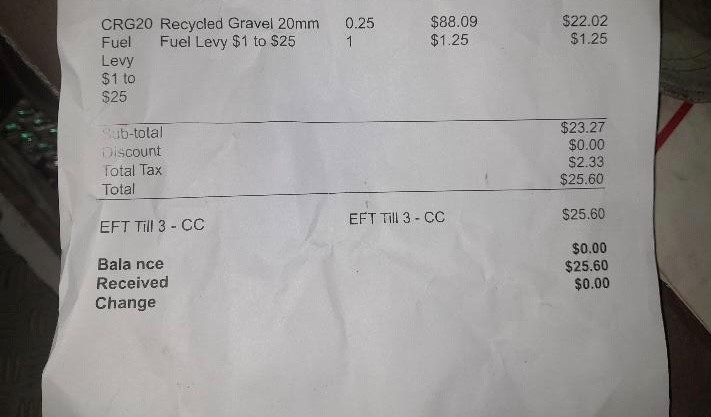
An example of the sorts of “emergency” fuel levies tradespeople are being asked to pay on materials.
Pipe industry hit particularly hard
Builders and developers could face specific issues with plumbing and ground works, with the industry that supplies underground pipes finding itself in a particularly fraught position.
Asian manufacturers that rely on crude oil to make petrochemicals are declaring “force majeure”, according to Reuters, as they face the same supply concerns as users of diesel.
Higher oil costs set to spike prices well beyond the fuel pump
Force majeure means that, due to extraordinary circumstances, parties to a contract can break existing contracts and raise prices significantly.
This impact is being felt downstream at Australian companies that need PVC and resin to manufacture and distribute pipes and fittings for plumbing.
ABC News has seen letters from several piping companies to their customer database, warning that quoted prices will soon be invalid and will go up in April.
“Spot PE resin pricing for April 2026 delivery is up approximately 40 per cent compared with March,” a letter signed by Polypipe’s boss notes.
Polypipe did not reply to queries from ABC News.
Do you know more about price and supply issues in residential construction? Email our journalist confidentially on terzon.emilia@abc.net.au or em.terzon@proton.me
The boss of another company, Vinidex, which is a manufacturer and supplier of advanced pipe systems, confirmed the price rises in a statement to ABC News, noting the “unprecedented disruption to our upstream supply chain”.
“We have advised our customers that we expect considerable disruption to our supply capability over the coming weeks and months,” Marc Blampied added.
The chaos could ripple even further, with the residential building industry warning about rising freight costs on materials that need to be imported.
Loading…
“Builders are now looking for alternative routes for product coming particularly out of Europe,” Master Builders CEO Denita Wawn said.
“In one instance, we’ve heard of a tenfold increase in the freight costs between shipping and air freight. So it feels like COVID.”
Is this like COVID?
The building industry was particularly impacted by supply shocks during the pandemic, with noticeable spikes in the cost of residential construction in 2021 and 2022.
That was as freight and import costs rose with the world at a standstill, and then locally as demand for new homes surged in Australia during the HomeBuilder stimulus era.
A national index that tracks residential construction costs — from the supplies to the trade — shows the overall cost of building a home is 35.4 per cent higher today than in late 2019.
Cotality’s head of research, Gerard Burg, expects the fresh Middle East war price hikes to show up in its Cordell Construction Cost Index from the second quarter, which starts in April.
“It is going to be relatively significant when it does come through,” he said.
Loading…
Mr Burg said a COVID-era supply and price shock would likely take more than the current issues being created by the war in the Middle East.
“That scenario would require major physical shortages of fuel, really limiting the capacity of goods to be moved around the country,” he said.
“It’s not apparent whether that will be the case yet.”
Yet, Mr Burg said the situation would likely push up the cost of building a home, at a time when the Australian government was pledging to build 1.2 million homes in five years.
“It makes the feasibility of any construction project more challenging right now,” he said.
“We’ve seen the target gets further and further out of reach each month as home completions have fallen short of the monthly target you’d need to reach those 1.2 million homes.
“It was already a challenging target, and anything that puts further barriers to the construction industry is only going to push further out of reach.”
Consumers likely to pay more to build
Master Builders’ Denita Wawn shared similar concerns about the federal government’s housing targets, and what the latest supply chain shocks would do to the price of the Australian dream.
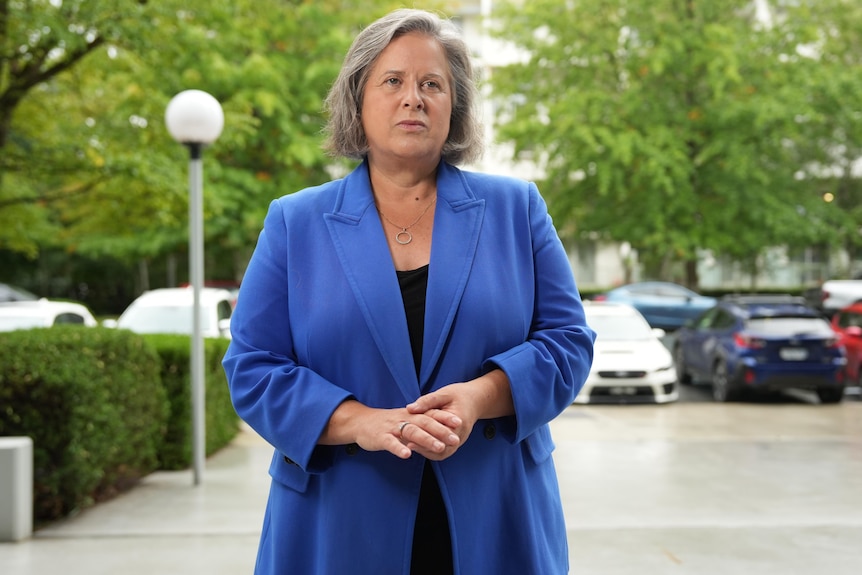
Denita Wawn says there will be price increases. (ABC News: Stuart Carnegie)
Ms Wawn said many builders with fixed-price contracts would have to absorb extra costs for now, but the supply-chain shock was looming.
“Early indicators are showing that we will, and have seen, price increases,” she said.
“The question will be: Is it a short, sharp spike or is it something that is going to be long-lasting that would have a significant detrimental impact on inflation?
“Housing has been the leader of inflationary costs over the past 12 months or so. This will only exacerbate that situation.”
The Reserve Bank of Australia has already been hiking interest rates to tackle resurging inflation in 2026, which will also add to the costs for everyday Australians borrowing to build a home.
The federal Housing Minister Clare O’Neil met with industry CEOs last week to discuss “housing supply chain pressures arising from the conflict in the Middle East”, a spokesperson said.
“[This] week, Minister O’Neil will again meet with leaders from the building and construction sector to continue to discuss supply chain implications.
“The government is monitoring the situation and continuing to engage with industry and Treasury on potential impacts.”
Loading…Loading…