
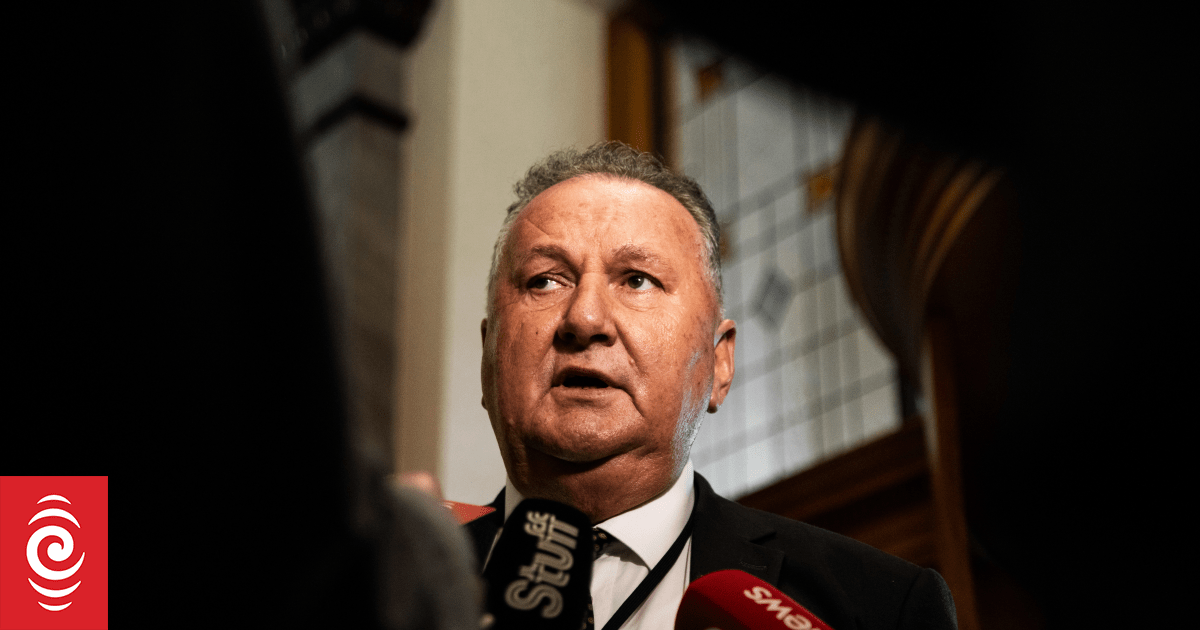
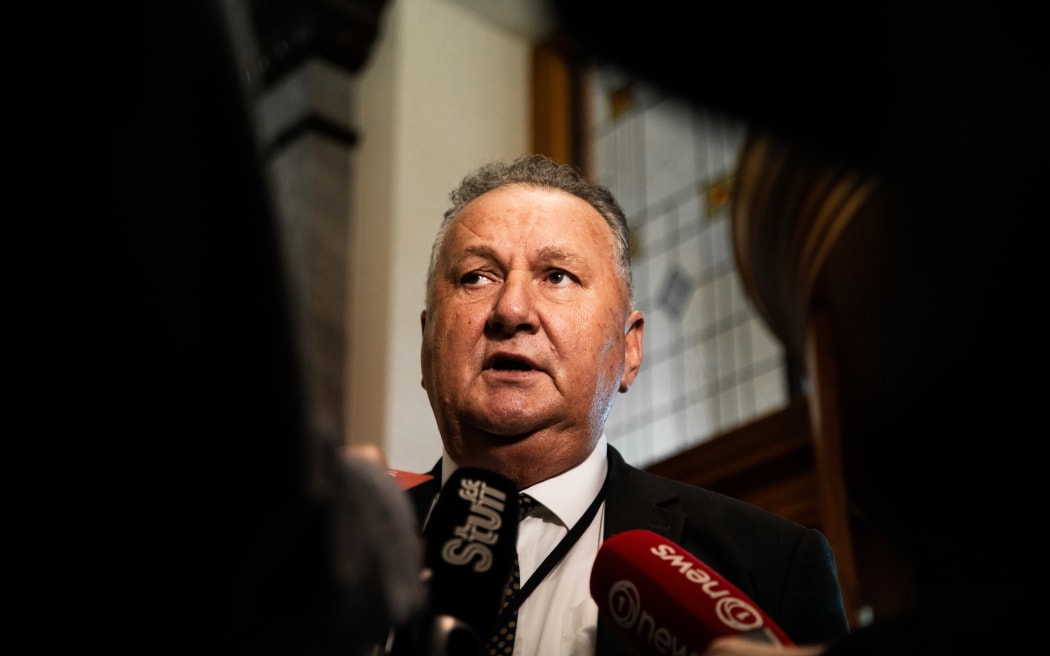
Oceans and Fisheries Minister Shane Jones.
Photo: RNZ / Samuel Rillstone
Oceans and Fisheries Minister Shane Jones has called critics of his Fisheries Amendment Bill “a range of noisy voices” and invited them to have their say at the select committee.
The bill, which is scheduled to have it’s first reading on Tuesday, has been welcomed by the commercial sector but condemned by recreational fishing groups.
Fishing Host Matt Watson – probably the country’s most famous recreational fisher – is dismayed by the proposals in the fishing amendment bill.
He told First Up the bill’s “designed purely to prioritise the profits of the seafood industry”.
“If these go through unchecked, it is disaster. It’s beginning of the end for our fish stocks, and that’ not over dramatising it.”
Among Watson’s concerns is the proposal to remove the minimum size limits for commercial fishers from a number of popular species, including snapper.
He said it wouldn’t encourage commercial fishers to avoid undersized fish and would decrease overall fish stocks.
The current recreational size limit for snapper is between 25cm and 30cm depending on location, while the commercial size limit is 25cm.
Minimum size limits are imposed to ensure fish can reach sexual maturity before being caught.
“If you start killing fish before they’ve had a chance to breed, you’re going to run out of fish and you don’t need to be a genius to figure that out,” Watson said.
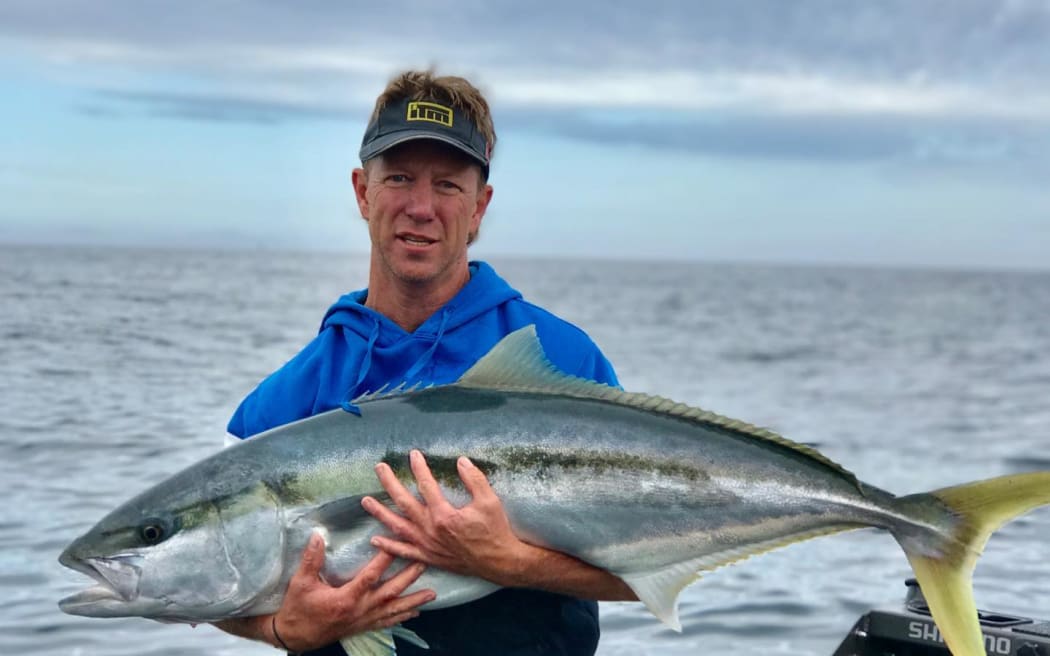
Fishing Host Matt Watson.
Photo: Facebook
Jones argued that allowing the commercial sector to land and sell undersize fish would prevent wastage.
Currently commercial fishers must dump undersize fish dead or alive, and it doesn’t count against their quota.
“The new provision is that if you catch them, you pay for them,” Jones said.
“With the commercial industry, we know every single kilo that they take and their conduct is now captured by cameras.”
But if Jones’ bill passes, the footage taken by cameras on board commercial boats can no longer be accessed under the official information act, effectively making it off limits to the public.
Anyone who leaks the footage faces a $50,000 fine.
“If you’ve got nothing to hide, why on earth would you behave like that,” Sam Woolford of recreational advocacy group Legasea said.
“When cameras on boats were introduced, we know that the rate of discarding, or notified discards, went up about 46 percent. For snapper and kingfish, it was closer to 1000 percent.”
Jones, a self described apostle of industry, brushed off the concerns about snapper stocks, telling First Up the “amount of snapper in our waters is almost biblical in its profundity”.
“You can almost walk on the water we’ve got so many snapper.”
Coalition support means the Fisheries Amendment Bill should easily pass it’s first reading, but Labour’s fisheries and Oceans spokesperson Rachel Boyack said she would make her concerns heard at the select committee stage.
She said her party would do their “best to make changes to the bill so that it’s not as bad as what it could be.”
Although with commercial fishing a strong feature of her Nelson electorate, Boyack was choosing her words carefully .
“It creates jobs in my local community and it’s important that we are able to produce fish for food and for export, but we also have to ensure that the fishery is sustainable”.
Conservation Minister Tama Potaka’s office didn’t respond to requests for comment, but in a facebook post Northland MP Grant McCallum said he met with Legasea and the sports fishing council over the weekend and would strongly represent the views of the recreational sector in the party’s caucus this week.
Seafood New Zealand’s Inshore Policy Manager Tamar Wells said the commercial sector was trying to make the industry more sustainable.
“Fishers do change their methods. In terms of their selectivity of their nets, they’ll have larger mesh to let smaller fish out.
“There’s also new methods coming in, like Flowmo, which is a type of net that can keep fish kind of contained underwater so they have a higher survivability.”
The Fisheries Amendment Bill won’t require commercial fishers to change their methods though and Jones said there was no plan to outlaw trawling.
“It’s evident to me that the vast majority of the activists opposed to trawling are really seeking to undo the Māori fisheries settlement and terminate the commercial fishing industry and that’s just never, ever going to happen for as long as I’m in politics, and I look forward to being in politics for a long, long time.”
Sign up for Ngā Pitopito Kōrero, a daily newsletter curated by our editors and delivered straight to your inbox every weekday.