
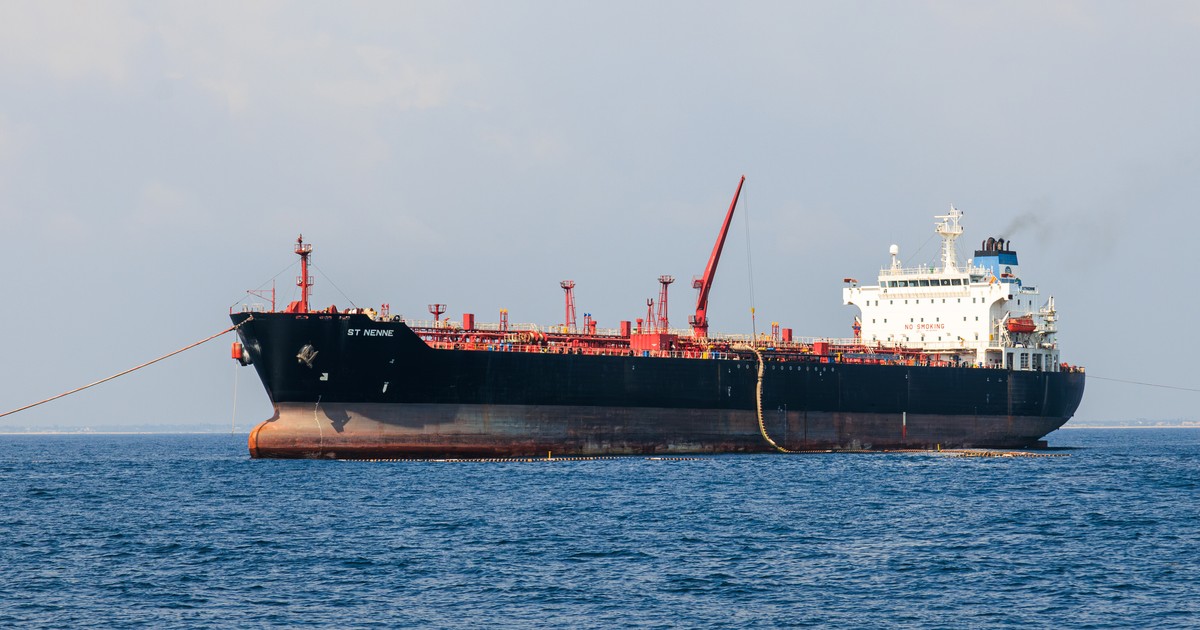
Sold on a Free on Board (FOB) basis through international traders, the shipments highlight the growing reach of Dangote’s distribution channels beyond Nigeria’s borders.
This milestone comes just months after the refinery ramped up to its full capacity of 650,000 barrels per day, unlocking its ability to serve both domestic and regional markets.
Dangote expands African footprint as global oil routes falter
The refinery’s export drive signals a broader shift in African fuel trade dynamics. Historically dependent on imports from Europe and the Middle East, several African economies are now sourcing refined products within the continent.

Analysts say this shortens supply chains, reduces exposure to geopolitical shocks, and lowers logistics costs, even as global crude prices remain volatile.
Dangote’s production of Euro V-standard petrol and diesel further strengthens its appeal, offering higher-quality fuel to markets that have long relied on substandard imports.
As volumes scale, the refinery is expected to deepen its penetration across West, Central, and East Africa, building a pan-African distribution network anchored in Nigeria.
For Nigeria, the benefits are both strategic and economic. The refinery is reducing reliance on imported fuel, improving foreign exchange stability, and enhancing energy security.
However, global disruptions have also had domestic consequences. Petrol prices have surged from around N870 per litre to nearly N1,500 in parts of the country, reflecting the ripple effects of rising crude prices. In response, the government is accelerating its Compressed Natural Gas (CNG) programme to ease pressure on consumers.
Even so, the Dangote refinery’s growing export capacity marks a turning point which includes shaping Nigeria’s role from a fuel importer to a continental supplier at a critical moment for global energy markets.