
When most Australians hear of tuberculosis (TB), they think of a disease that plagued our ancestors; an issue that modern medicine has resolved.
Unfortunately, this is not the case.
As author John Green writes, “What’s different now from 1804 or 1904 is that tuberculosis is curable and has been since the mid-1950s. We know how to live in a world without tuberculosis. But we choose not to live in that world.”
Despite it being both preventable and curable, TB remains the world’s deadliest infectious disease, with around 1.25 million people dying and 10.8 million people falling ill each year.
In Australia, approximately 1,400 people developed TB in 2023 and 67 died from the disease between 2021 and 2023. The burden is also inequitable, with reports suggesting that TB rates are about four times higher among Aboriginal and Torres Strait Islander peoples than among non-Indigenous Australian-born Australians.
While there is still work to be done here at home, a much larger challenge lies just beyond our borders.
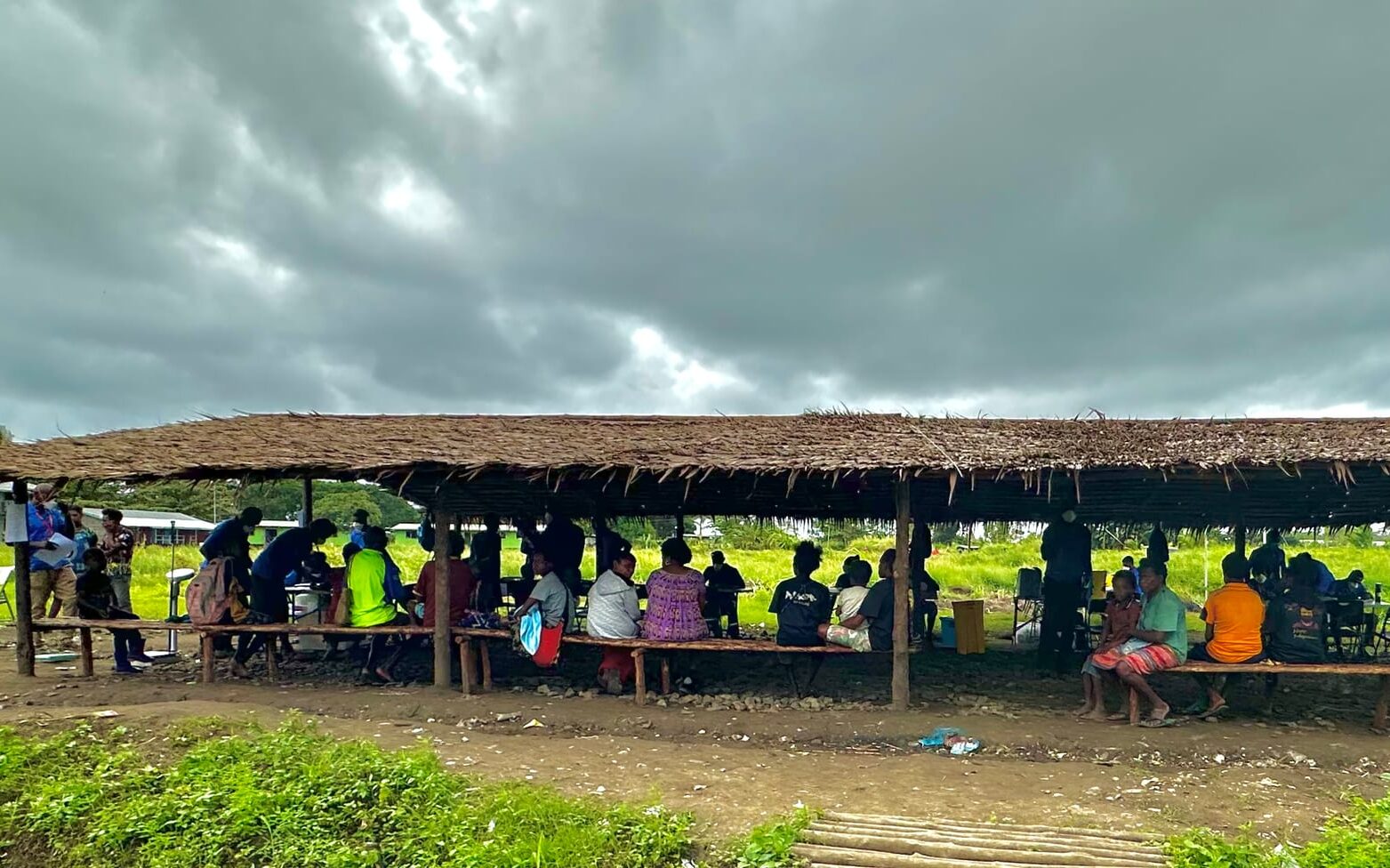
The Indo-Pacific accounts for more than half of the world’s TB burden. Papua New Guinea, only kilometres from the Torres Strait Islands of Saibai and Boigu, has one of the highest TB incidence rates globally. Elsewhere in the Pacific, TB cases rose by 33% in 2024 alone.
TB thrives in the same conditions that most development policy seeks to address: poverty, overcrowding, undernutrition and fragile health systems. These are not relics of the 19th century; they are realities across parts of our region.
One of the most alarming trends is the rise of drug-resistant TB.
Drug resistance develops when treatment is interrupted or incomplete, allowing the bacteria to evolve and survive existing medicines. In 2023, more than 400,000 people developed drug-resistant TB globally. The burden falls heavily in Asia and the Pacific, including an estimated 170,000 cases in the WHO South-East Asia Region and 74,000 in the Western Pacific Region. Papua New Guinea alone records around 2,400 cases each year.
TB was declared a global public health emergency more than 30 years ago, but funding for research and development has consistently fallen short. Promising vaccine candidates are now in clinical trials. New diagnostics are improving detection. Shorter, safer treatment regimens are emerging.
But many of the tools used to fight TB remain outdated.
The only licensed TB vaccine — the Bacille Calmette-Guérin vaccine — is more than a century old. While it protects young children from the most severe forms of the disease, it provides limited and inconsistent protection for adolescents and adults, the groups most responsible for transmission.
The treatment itself can be long and gruelling. Drug-sensitive TB usually requires four to nine months of daily antibiotics. Drug-resistant TB can require treatment for up to 20 months, often with harsh side effects and lower success rates.
Even when treatment is available, the financial burden on patients and their families can render it inaccessible. Globally, around half of people undergoing TB diagnosis and treatment face catastrophic costs, defined as expenses exceeding one-fifth of their annual household income. For drug-resistant TB treatments, this rises to around 80%.
New regimens developed over the past decade have shortened treatment times and removed some of the more toxic drugs. These are important advances. Yet access to newer therapies in many countries remains uneven, constrained by financing, procurement systems and diagnostic gaps.
Progress against TB will not happen automatically. It requires political will and sustained investment to strengthen patient support systems and accelerate the development of new tools.
This is where Australia’s regional leadership matters.
Australia is working with governments across the Indo-Pacific to prevent and respond to the spread of TB. Research and treatment programs are being delivered in partnership with universities, civil society, medical research institutes and TB Alliance. In addition, Australia uses its position on the board of the Global Fund to Fight AIDS, Tuberculosis and Malaria to advocate for greater efforts to eliminate TB across our region.
Investment in TB research and development should be seen not as discretionary spending, but as strategic infrastructure. Supporting TB innovation through multilateral partnerships, regional research collaborations or targeted R&D funding strengthens the tools available to our neighbours and reduces long-term strain on health systems.
In an interconnected Indo-Pacific, investing in better TB vaccines and shorter treatment regimens is an investment in shared resilience.
At a time when the demands on broader global health aid are increasing, TB is losing the sustained focus it requires.
TB does not respond well to inconsistency. Treatment interruptions fuel resistance. Underfunded programs reverse hard-won gains. Research pipelines stall without predictable investment.
Climate change adds another layer of urgency. Extreme weather events disrupt treatment, displace communities into crowded conditions that accelerate transmission and increase food insecurity, weakening immunity.
When Australia invests in climate-resilient health systems across the Indo-Pacific, TB treatments must be embedded.
As parliamentarians from different political parties, we recognise that maintaining focus on long-term epidemics is difficult. Acute crises dominate attention. Slow-burning diseases rarely do.
Ending TB will not happen overnight. But with sustained political commitment and smart investment, it is a goal within reach.
Kate Thwaites MP and Dr Sophie Scamps MP are co-chairs of the Australian Parliamentary friendship group of the tuberculosis caucus.