
When ChatGPT launched in late 2022, it did more than capture public attention — it fundamentally altered the pace and perception of artificial intelligence development, even inside Google.
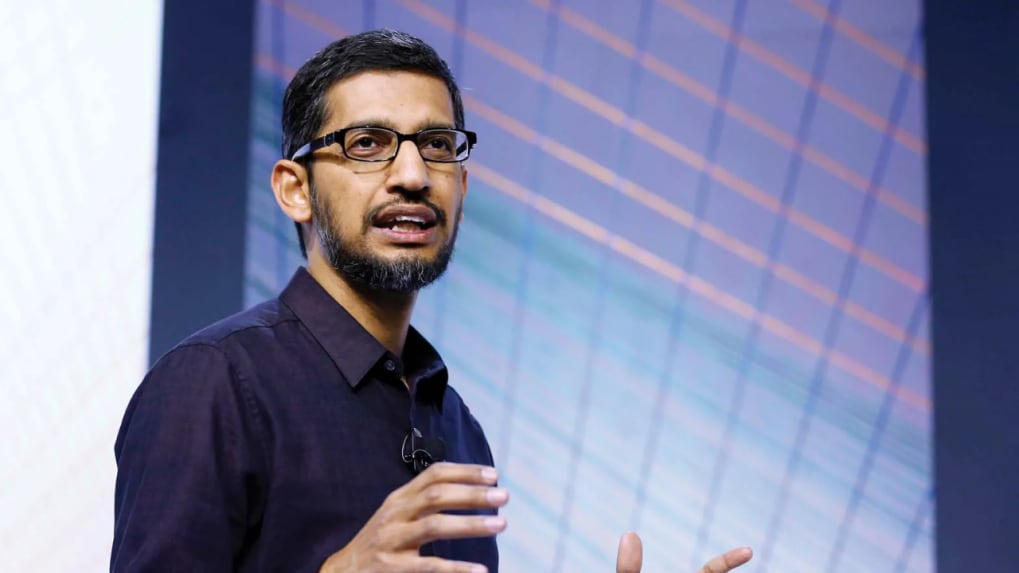
In a recent interview, Google CEO Sundar Pichai reflected on his first reaction to the chatbot, describing the moment as both surprising and energising. He said the speed at which the technology spread caught the company off guard, despite Google having declared itself an “AI-first” organisation years earlier.
According to Pichai, the realisation that AI adoption would accelerate far quicker than anticipated created a sense of urgency within the company. While Google already possessed much of the underlying technology through its research efforts, it was OpenAI that successfully brought a consumer-ready product to market first.
Also read: How to use Claude’s new computer control feature on macOS: tasks, permissions, limits
The launch prompted an internal push at Google, widely described as a “Code Red” moment, as teams moved rapidly to respond. That effort eventually contributed to the development of the company’s next-generation AI models, including the Gemini series, which now form a core part of its AI strategy.
Pichai noted that while Google may have appeared slow externally, the company had been focused on building foundational capabilities across infrastructure, model training and deployment. This “full-stack” approach, he suggested, positioned Google to scale its AI efforts more effectively over time.
He also acknowledged that, in a different scenario, Google might have launched a similar chatbot earlier but held back due to internal quality benchmarks.
Also read: ‘QuitGPT’ trend grows as Claude gains traction, reshaping AI usage and workplace skills
The broader impact of ChatGPT’s debut has since reshaped competition across the AI industry, intensifying rivalry among major players and accelerating product rollouts. As companies race to build more advanced and useful systems, the episode underscores how quickly leadership in emerging technologies can shift.
First Published on March 24, 2026, 18:53:54 IST