
More people approaching retirement are choosing not to stop all work at once, instead opting to scale back gradually in a move known as phased retirement.
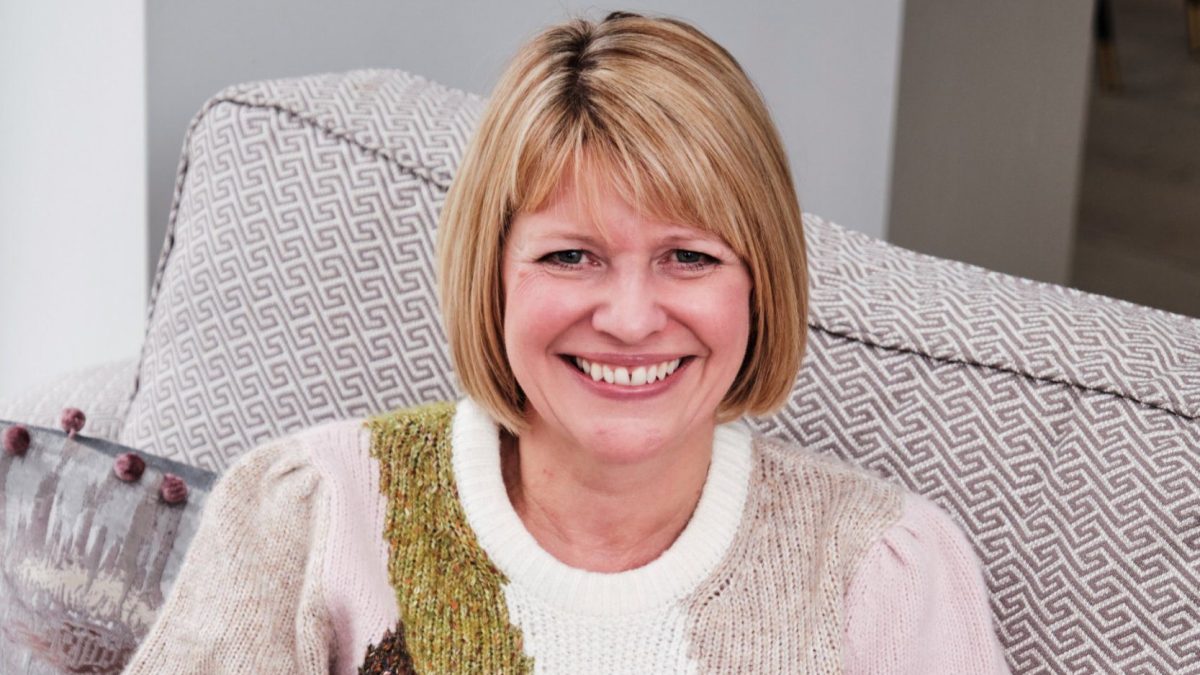
For Julie Gough that will mean cutting back on her current busy work schedule while gaining more freedom in her day-to-day life.
The nutritionist worries she is currently “spreading myself too thinly”, working two days per week at a private clinic and two days at the company she’s employed by, leaving just one day and weekends for her own nutrition business.
New FeatureIn ShortQuick Stories. Same trusted journalism.
Whilst she hasn’t retired yet, her husband, 73, has. She wants to cut back on work this year to have more time to do things as a couple and “enjoy life whilst we are both still able to health wise and financially”.
A September 2024 study – the latest data available – by retirement consultancy WTW showed that 49 per cent of workers aged 50 or older had either started phasing into retirement or wanted to do so at that time.
Phased retirement is a flexible, gradual transition from full-time work to complete retirement, often allowing individuals aged 55 to 75 to reduce working hours while drawing partial pension benefits.
Up to 75 per cent of pension benefits can be withdrawn – but doing this can lead to unexpected tax bills, as Julie discovered.
She said: “There is a local government portal that you can use to get an estimate. There are penalties for withdrawing my pension before I reach state pension age though, so I did consult a financial adviser.
“This helped me to decide whether the penalties were worth it in the long term and the answer was yes – I had more to gain from taking it now than waiting.”
While taking a 25 per cent lump sum of your pension is generally tax-free, the remaining 75 per cent is taxed as income.
Combining the lump sum with your part-time salary could push you into a higher – 40 per cent – or additional – 45 per cent – income tax bracket.
Julie, from Staffordshire, is also continuing to pay into her pension as she works which was another financial consideration.
If you take taxable income from a defined contribution (DC) pension, beyond just the tax-free lump sum, your annual tax-free contribution limit drops from £60,000 to just £10,000.
Exceeding this triggers a tax charge, preventing you from significantly rebuilding your pension.
By taking her lump sum of £13,424 and continuing to pay into her pension, Julie will receive a monthly income of £914.
She is currently earning £1,070 per month through her employment, receiving an added £88 in expenses.
“There is a slight shortfall but by focusing on my business more I feel that I can make up that shortfall as well as having the lump sum should I need it.”
Her plan is to reduce her working week to three to four days, split between the private clinic and her own clients.
On top of this, she is planning on moving her business entirely online and building self-directed courses that will lead to a semi-passive income as well as build an online community membership that will provide more flexibility on her working hours.
She continued: “We [her and her husband] want to spend more time together doing things we enjoy such as walking, longer holidays or spending a longer time abroad as I can work from anywhere.”