
A pastoral company has been fined a record $45,000 for breaking Queensland’s biosecurity laws.
The Queensland Department of Primary Industries (DPI) said the penalty was the largest ever imposed under the Biosecurity Act 2014.
The DPI declined to name the company and its state of origin, citing legal reasons.
The fine was handed down in the Brisbane Magistrates Court after the company was found to be moving thousands of cattle from New South Wales into Queensland without the required records.
A company representative pleaded guilty to 22 offences, including failing to provide prescribed livestock movement information, maintain accurate records, and register as a biosecurity entity, a DPI spokesperson said.
Authorities found that between June and September 2023, the company transported cattle along stock routes through Goondiwindi, Western Downs, Balonne and Maranoa without mandatory movement records or National Livestock Identification System (NLIS) notifications.
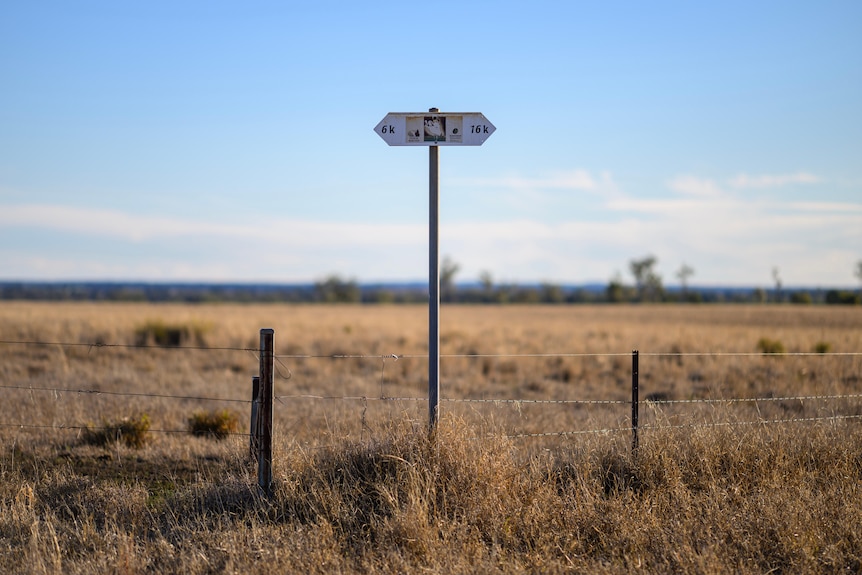
The cattle were moved along stock routes. (ABC Rural: Brandon Long)
The NLIS is a federal database used to trace livestock from birth to slaughter.
It allows for the rapid identification and tracking of animals, which is vital for tasks including controlling the spread of disease.
The cattle were later taken for agistment — the practice of placing animals on another person’s property for an agreed period — often when feed is short.
The court imposed a total fine of $45,000, with no conviction recorded, a DPI spokesperson said.
DPI deputy director-general and chief biosecurity officer Rachel Chay said the outcome demonstrated that Queensland’s biosecurity laws would be enforced.
“This is the biggest penalty imposed under the Biosecurity Act since its commencement more than a decade ago and boosts confidence in our laws,” Dr Chay said.
“Anyone doing the wrong thing will be caught and held accountable.”
Dr Chay said compliance with regulations was critical to preventing the spread of pests and diseases.
“Protecting Queensland’s livestock industry as well as our ecosystem and natural environment is paramount,” Dr Chay said.
The investigation was conducted with support from NSW Department of Primary Industries and Local Land Services.