

Mihajlo Maricic / iStock
New research from Argentina suggests a potential link between a commonly used herbicide and antimicrobial resistance (AMR).
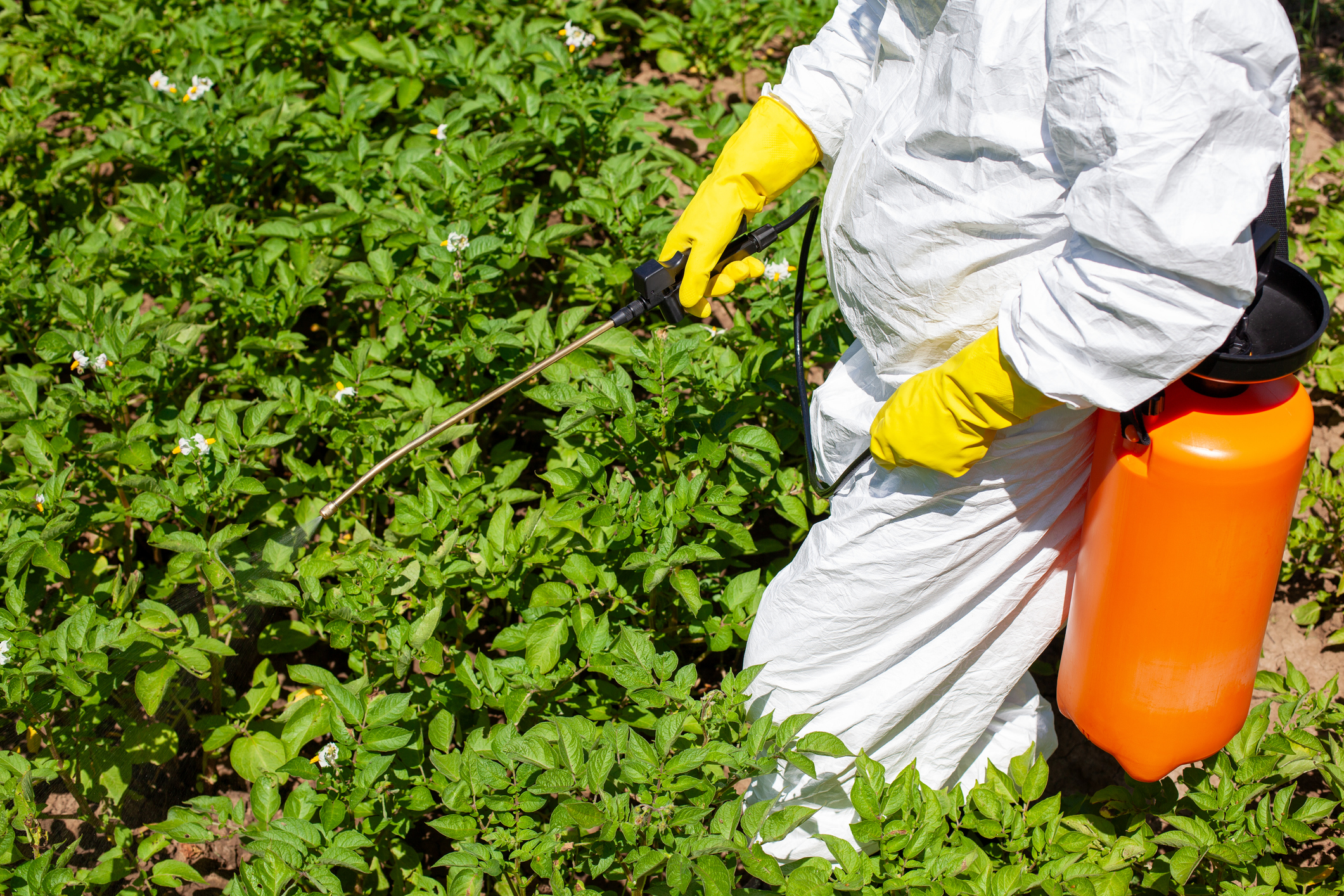
In a study published this week in Frontiers in Microbiology, a team led by researchers from the University of Buenos Aires assessed resistance to glyphosate in environmental bacteria from soil and bacteria collected from Argentinian hospitals. Previous studies suggest that exposure to glyphosate, the most widely used herbicide for controlling broadleaf weeds and grasses, can create selective pressure that favors antibiotic-resistant bacterial strains in soil, the study authors explained. But links to clinically relevant pathogens are less clear.
Among the bacterial isolates tested in the study, 68 came from soil in a nature reserve in the Parana delta, which is surrounded by agricultural areas where glyphosate is widely used, and 19 were multidrug-resistant (MDR) bacterial species that commonly cause infections in hospitals, including Enterobacter cloacae.
“Given that opportunistic human pathogens, including MDR strains, can persist in soil, the widespread use of glyphosate in agriculture may favor the selection of clinically relevant resistant bacteria,” the study authors wrote.
Unintended side-effects
As expected, the bacteria from the hospitals were resistant to multiple antibiotics, but also highly resistant to glyphosate and glyphosate-based herbicides. The environmental bacteria exhibited ranges of resistance to glyphosate, with the most resistant strains being those related to the hospital strains. For example, environmental isolates in the Enterobacter family tolerated the highest concentrations of the weedkiller.
When the researchers created a family tree of all the bacterial strains, they found that the environmental strains exhibiting the highest resistance to glyphosate clustered closely with the MDR strains from the hospitals. In addition, whole-genome sequencing revealed that the most glyphosate-resistant environmental isolates had a higher number of genetic mechanisms also associated with AMR.
“These results suggest that weedkillers—which, unlike antibiotics, are widely applied in agricultural environments—may have the unintended side-effect of selecting for AMR among bacterial communities within the soil,” senior study author Daniela Centron, PhD, said in a journal press release.
While more research is needed, the authors say the findings suggest the AMR dimension should be incorporated into environmental risk assessments of glyphosate and other biocidal agents.