
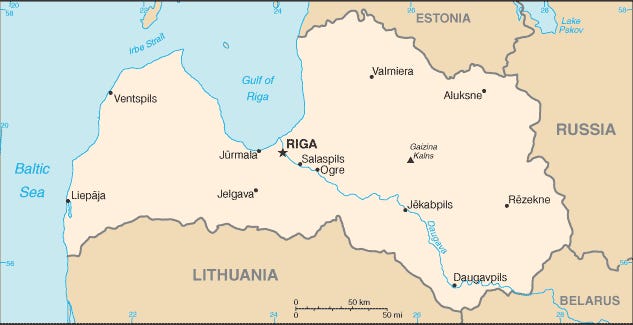
As of March 17, five measles cases have been registered in Latvia, the Center for Disease Prevention and Control (CDPC) reported. Two schoolchildren and one adult have been laboratory-confirmed to have measles, and two more schoolchildren are suspected of having the disease. According to the Center for Disease Prevention and Control (CDPC), there is no evidence that any of these children have been vaccinated.
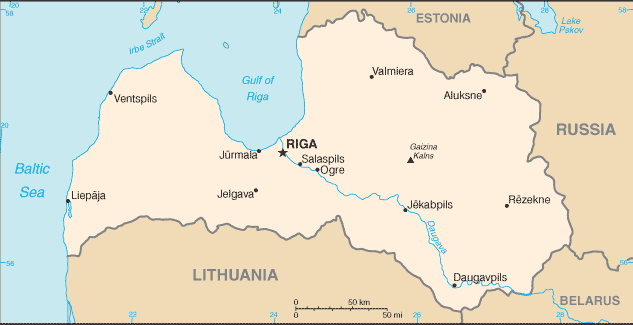
The first measles case was registered last weekend. All registered measles cases are epidemiologically linked. Two children and one adult have been laboratory-confirmed to have measles, while two more children are awaiting test results. One of them is currently being treated at the Children’s Hospital.
Pediatric infectious disease specialist Gunta Laizāne said that clinically it looks like measles, “there are classic measles symptoms, but we can [count] him in the group of ‘measles cases’ only when we get confirmation from the laboratory. Clinically examining the patient, taking the history, everything else, yes, this is a suspected [case] of measles.”
The child has not been vaccinated against measles. The doctor assessed the patient’s health condition as at least moderately severe.
“This is the beginning of the disease. How the disease will develop – it is difficult to say. There is a higher risk of complications in children. So young children up to five years of age are at a very high risk [group] for a severe course of the disease and the development of complications. The general condition of this particular patient also corresponds to a hospital,” Laizāne said.
According to the SPKC, the other four patients – an adult and a child with laboratory-confirmed measles, as well as a child who is still awaiting test results – have visited a family doctor and are receiving outpatient treatment. However, it is not possible to predict how the further course of the disease will develop. It is also known that two of these patients are not in Latvia.
The information available to the center also indicates that the person with measles flew from Riga to Turkey on March 5.
“We can identify close contacts, but we cannot identify casual contacts. If this person has been in some public places, especially considering that a person is infectious for two, three, even four days before falling ill, and sometimes people already feel unwell, but still continue to do some daily activities for some time, even attend school or some other events. If there are signs of an infectious disease, you should think about both your health and the health of other people. In order not to infect others, the best option is to stay at home,” said Jurijs Perevoščikovs, Director of the Infectious Disease Risk Analysis Department of the SPKC.
The number of identified contacts is very large – at least 800 people.
SPKC calls on passengers of the Riga–Gulbene–Riga bus to report
In the epidemiological investigation, the SPKC has established that one of the infectious persons traveled to Gulbene on the Riga–Gulbene bus route on March 13 at 8 a.m. and from Gulbene to Riga on March 15 at 1:50 p.m.
Subscribe to Outbreak News TV on YouTube
The SPKC calls on all passengers who traveled on the aforementioned trips to contact the SPKC epidemiologists by calling the 24-hour hotline at 67271738 or by emailing dezurants.riga@spkc.gov.lv to assess the possible risk of infection and receive recommendations for further action.
Unlike several other European Union countries, the situation in Latvia has been favorable in recent years. In 2025, one imported case of measles was confirmed (the patient was infected abroad), and in 2023, one imported case of measles was also confirmed (the patient’s child was infected abroad). From 2020 to 2022, no measles cases were registered in Latvia, while three cases were registered in 2019. The last measles outbreaks in Latvia were registered in 2018 (25 cases) and 2014 (36 cases).
Measles is a vaccine-preventable infection, and vaccination is the only effective way to protect against the disease and prevent measles outbreaks.
Although every child in Latvia has the right to receive state-funded measles vaccination, an analysis of SPKC vaccination data shows that approximately 14,000 (4%) children aged one to 17 years have not received any measles vaccine. This is a significant number of non-immune children, which can contribute to the formation of chains of infection and increase the risk of measles outbreaks, especially considering the spread of the disease in other countries and international travel.