
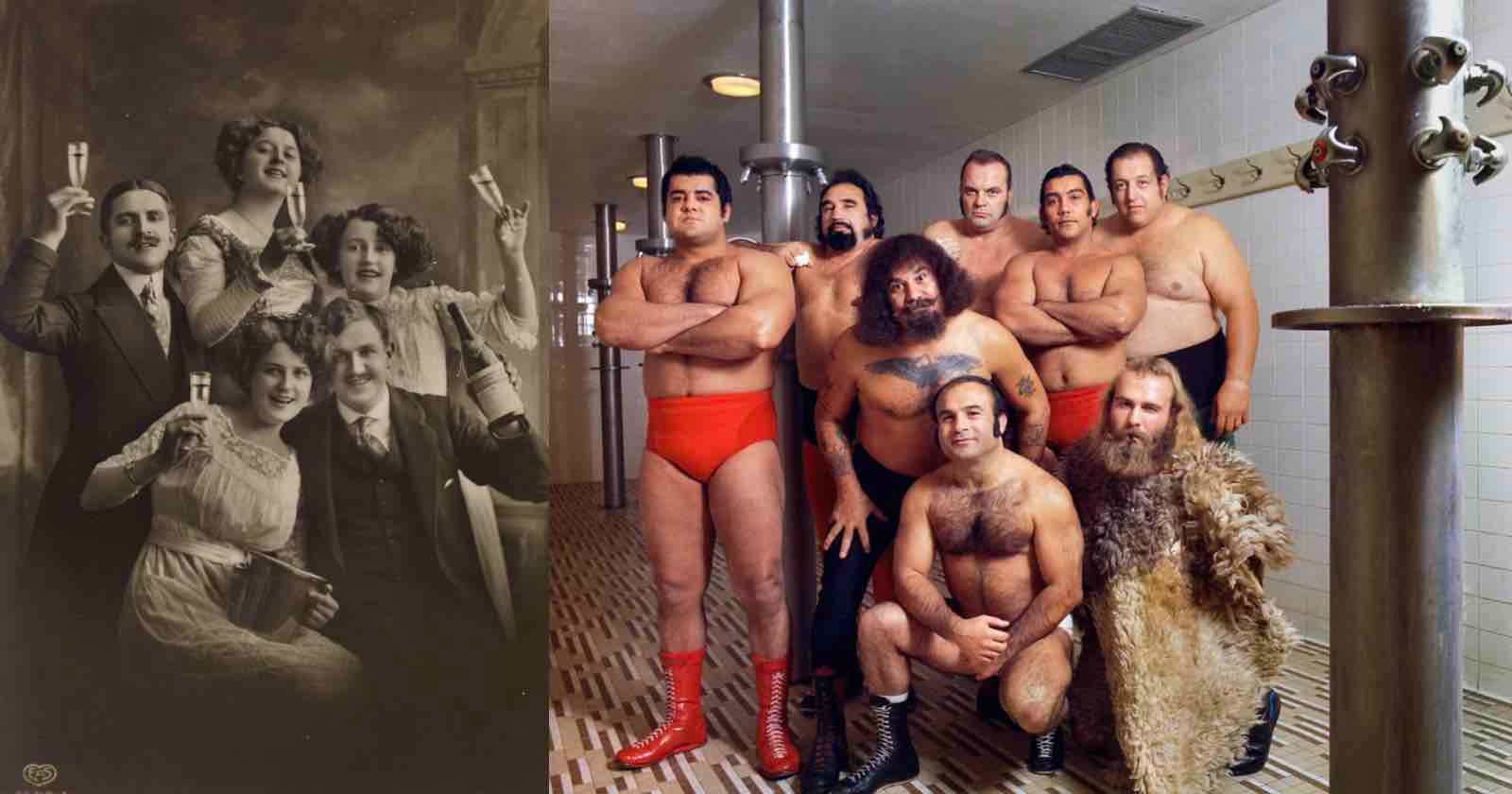
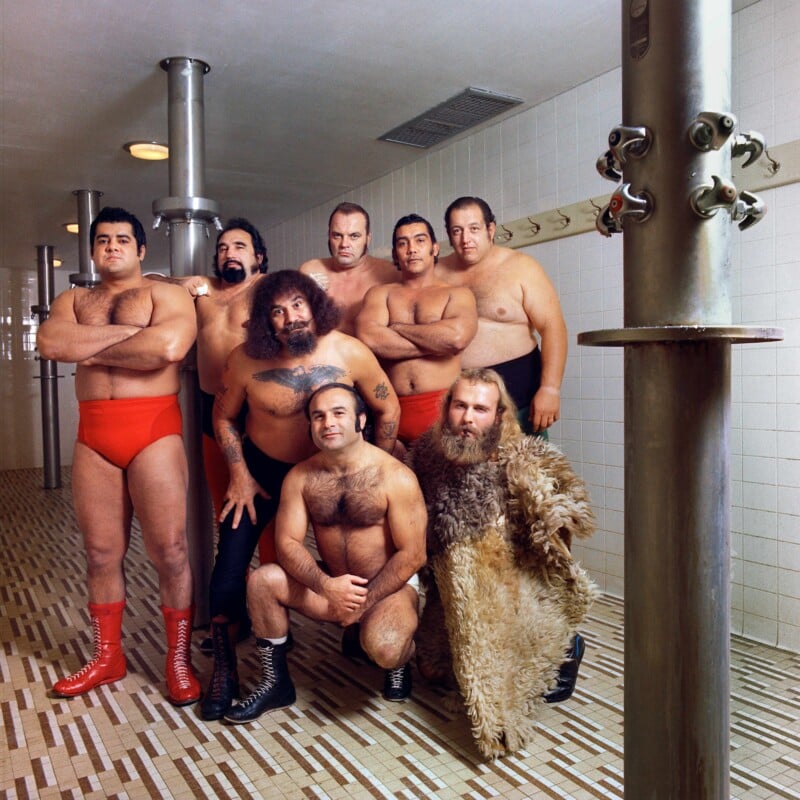
 Capital Wrestling Corporation, Washington, D.C., Neal Slavin, aus der Serie: When Two or More Are Gathered Together, Neal Slavin, Chromogener Farbabzug, 1972–1975, 26,8 x 26,8 cm, Kunstpalast, Düsseldorf, Foto: Neal Slavin
A new exhibition explores how group photography has shaped and reflected ideas of community across history and into the present.
The exhibition, Community: Photography and Belonging, will be on display at the Kunstpalast in Düsseldorf, Germany through May 25, 2026, and focuses on the multifaceted relationship between photography and community. Bringing together around 270 works from the museum’s collection alongside major loans, it explores how photography both document and influence collective life, from 19th-century group portraits to contemporary digital imagery.
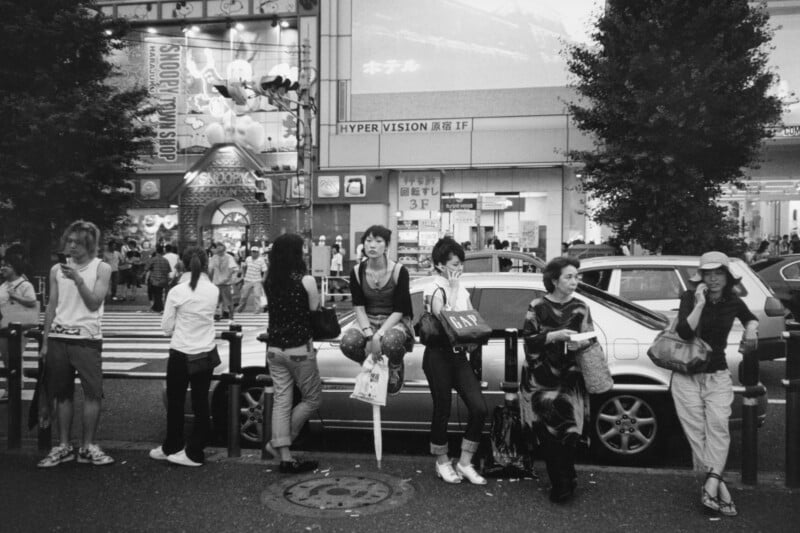 Viktoria Binschtok, Three People on the Phone #4, 2007 (2004), Siebdruck, 70 × 100 cm, © VG Bild-Kunst, Bonn 2026, Courtesy of the Artist and Klemm’s, Berlin
 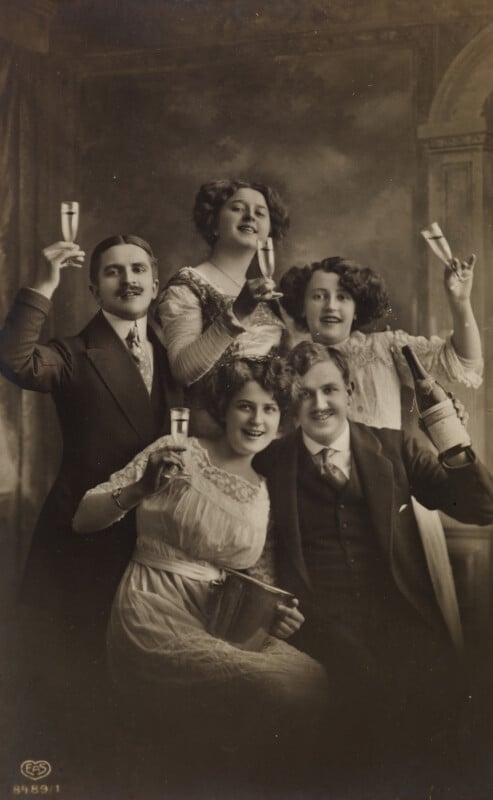 Unbekannt, Postkarte mit Festgesellschaft, ca. 1900–1919, Silbergelatineabzug, 13,6 × 8,5 cm, Kunstpalast, Düsseldorf, Foto Kunstpalast – LVRZMB – Joshua Esthers
 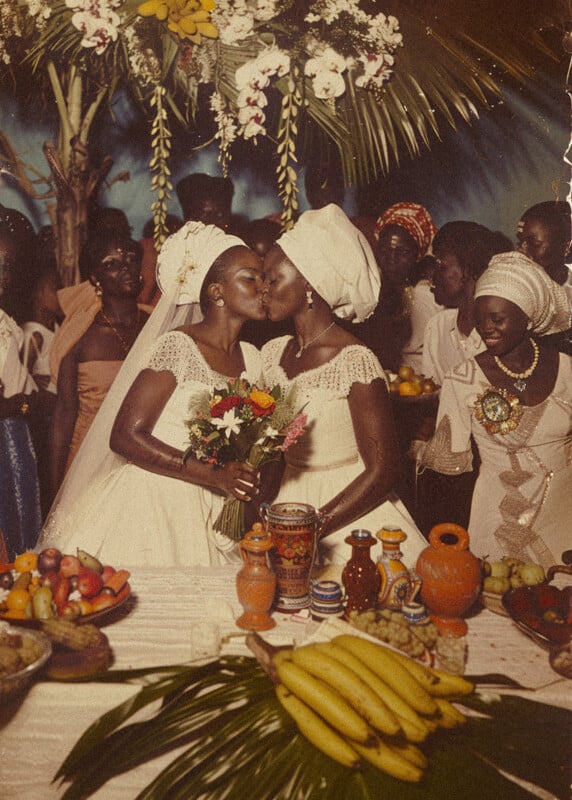 Mayara Ferrão, Die Hochzeit VI, 2024, Tintenstrahldruck, 20 x 14,5 cm, Courtesy of the Artist & Verve Gallery
Communities take many forms, from families and sports clubs to political groups, yet the idea of belonging is not directly visible. The exhibition shows how photography plays a central role in giving shape to these connections. Photographs can demonstrate inclusion within a group, but they can also define who is excluded.
“Photography is one of the most influential social media – it has been since long before what we now call social media existed, and it remains so today,” says Felix Krämer, Director General of the Kunstpalast. “It creates closeness and shapes identity, while also revealing how fragile a sense of belonging can be. This exhibition shows just how deeply our ideas of community are bound up with images.”
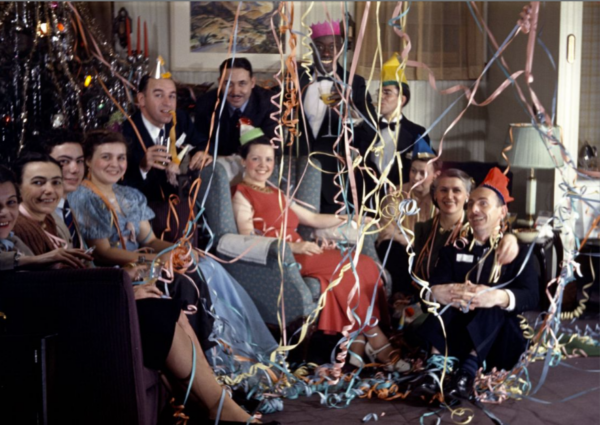 Omar Vicor Diop & Lee Shulman, 10, Aus der Serie The Anonymous Project presents Being There , 2023,Pigmentdruck, 30 × 43 cm, Deutsche Börse PhotographyFoundation , © VG Bild – Kunst, Bonn 2026, Foto CourtesyMAGNIN – A Gallery,Paris
 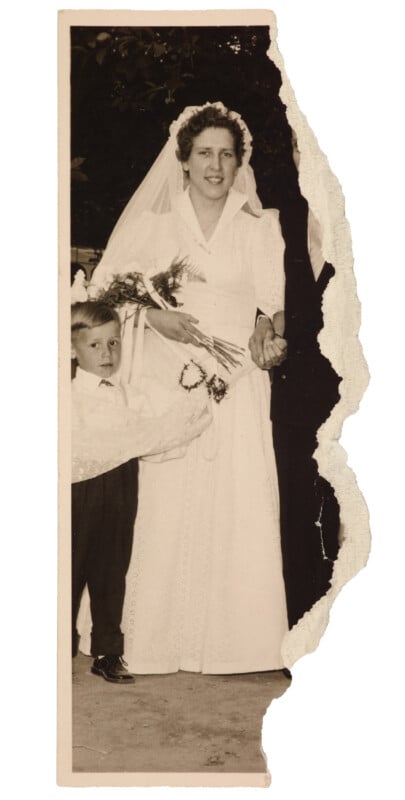 Unknown, Trimmed Edge of a Photo, ca. 1950s, Gelatin silver print, 10,2 × 4,2 cm, Kunstpalast, Düsseldorf, Photo: Kunstpalast – LVRZMB – Joshua Esthers
Group portraits are one of the clearest ways photography shows a sense of belonging. From carefully arranged studio portraits in the 19th century to today’s casual group selfies, people come together in front of the camera and position themselves to be part of the image. Families, friends, work colleagues, and club members all use posing as a shared act that demonstrates connection. When these images are kept in albums, they support memory, storytelling, and the maintenance of community.
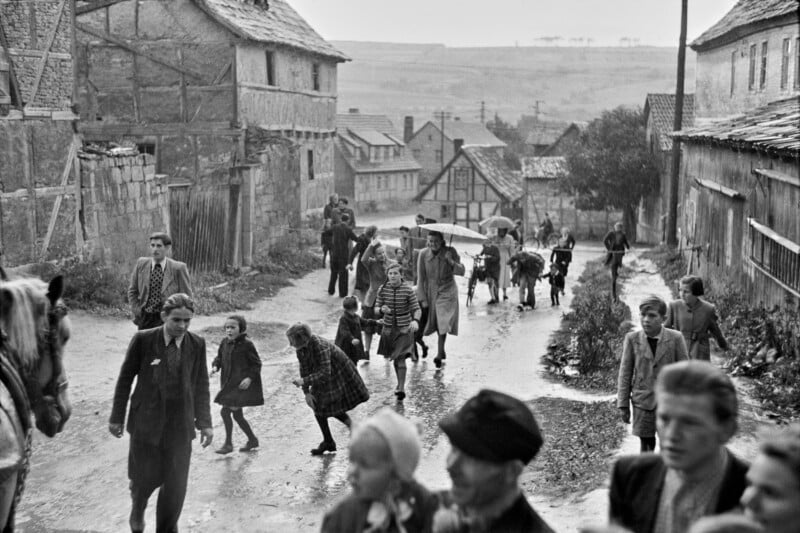 Ludwig Schirmer, Untitled, from the Series: A Village, 1950–1960, Gelatin silver print, 27 × 39,5 cm, Courtesy of the Artists
 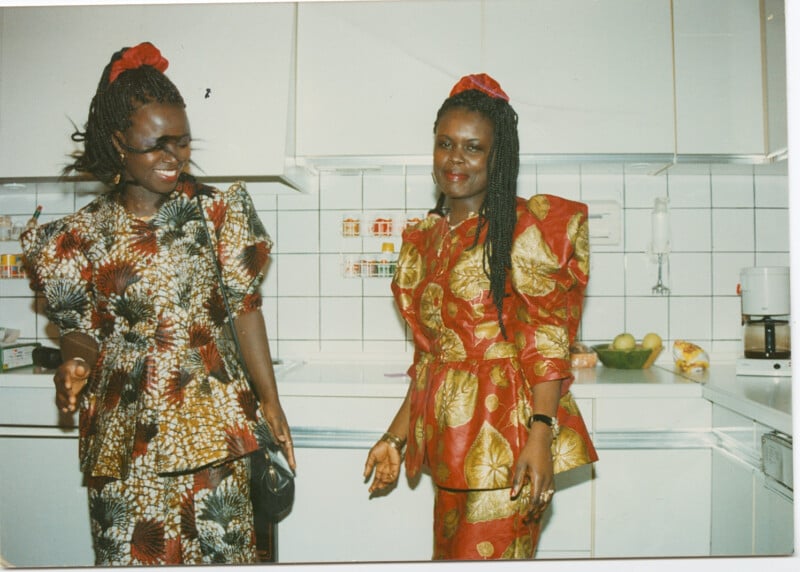 From the Family Album: Owusu, 1999, Courtesy of the Owner / Black Archive Germany
 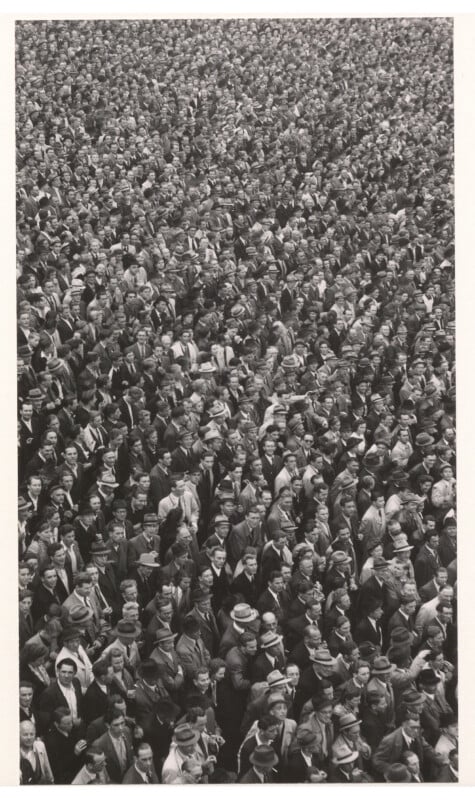 Dolf Siebert, 1949, Crowds at a Fortuna Game, Gelatin silver print, 22,5 × 13 cm, Stadtarchiv Düsseldorf
Group photos also follow unspoken rules. The placement of individuals within the frame can indicate inclusion, exclusion, and relative status. Six video works by Juliane Herrmann make this visible by filming groups as they arrange themselves. Historical and contemporary group portraits, from anonymous photographers to August Sander and Neal Slavin, show that images of communities do not only reflect social relationships — they actively shape them.
“What interests me about photography is its dual effect,” says Linda Conze, curator of the exhibition and Head of the Kunstpalast Photography Department. “It makes people who appear together in an image seem naturally connected, while concealing those who are left out.”
More information about the Kunstpalast’s exhibition Community: Photography and Belonging can be found here.
Image credits: All photos courtesy of Kunstpalast.