
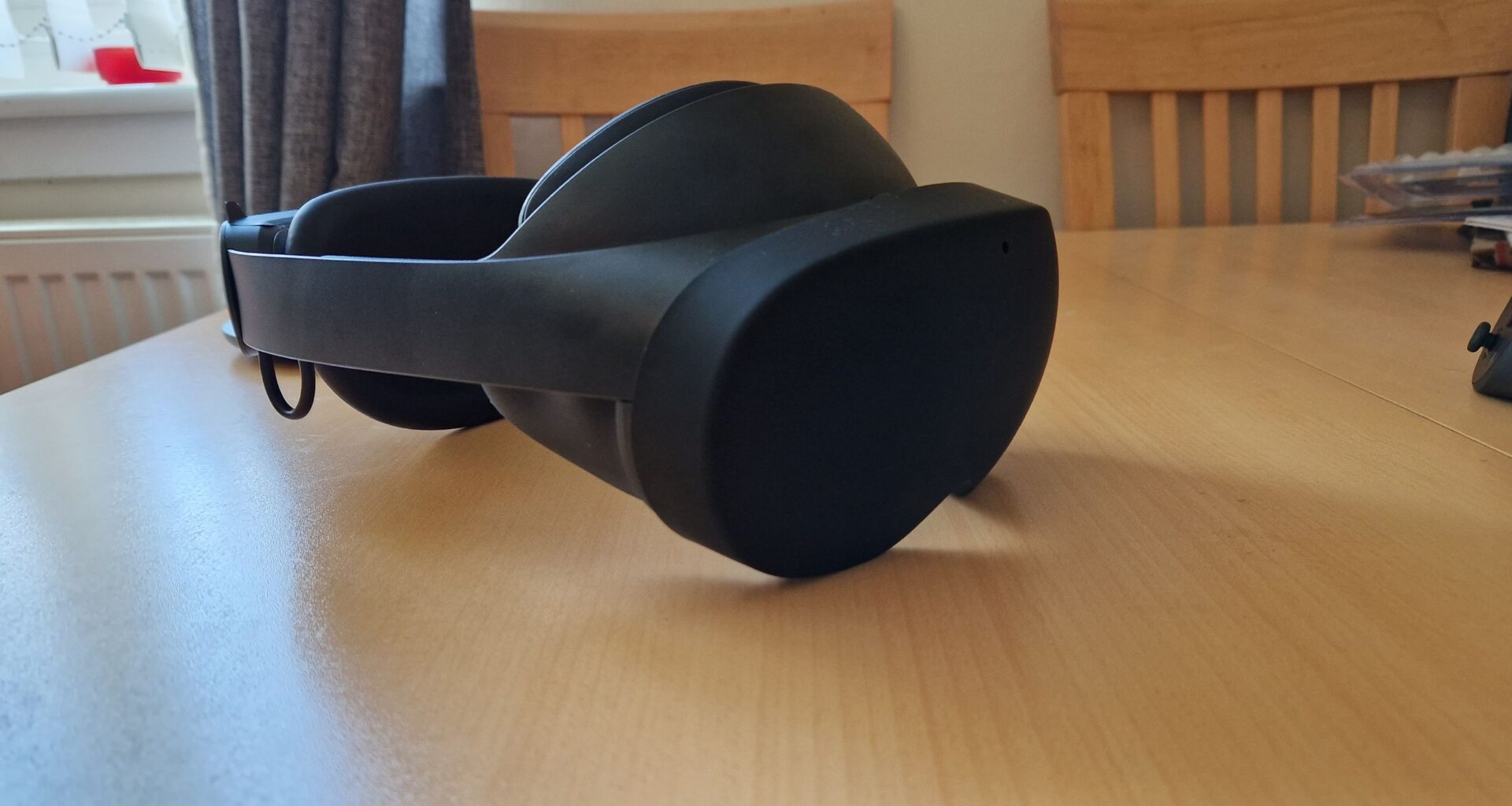
It’s definitely seemed in recent months like Meta might be pulling back from the affordable end of the VR market. There have been layoffs and studio closures within its Reality Labs division, controversies around Horizon Worlds support, and all the while, the Steam Frame is eagerly waiting in the wings to steal the attention of gamers looking for the best VR headsets.
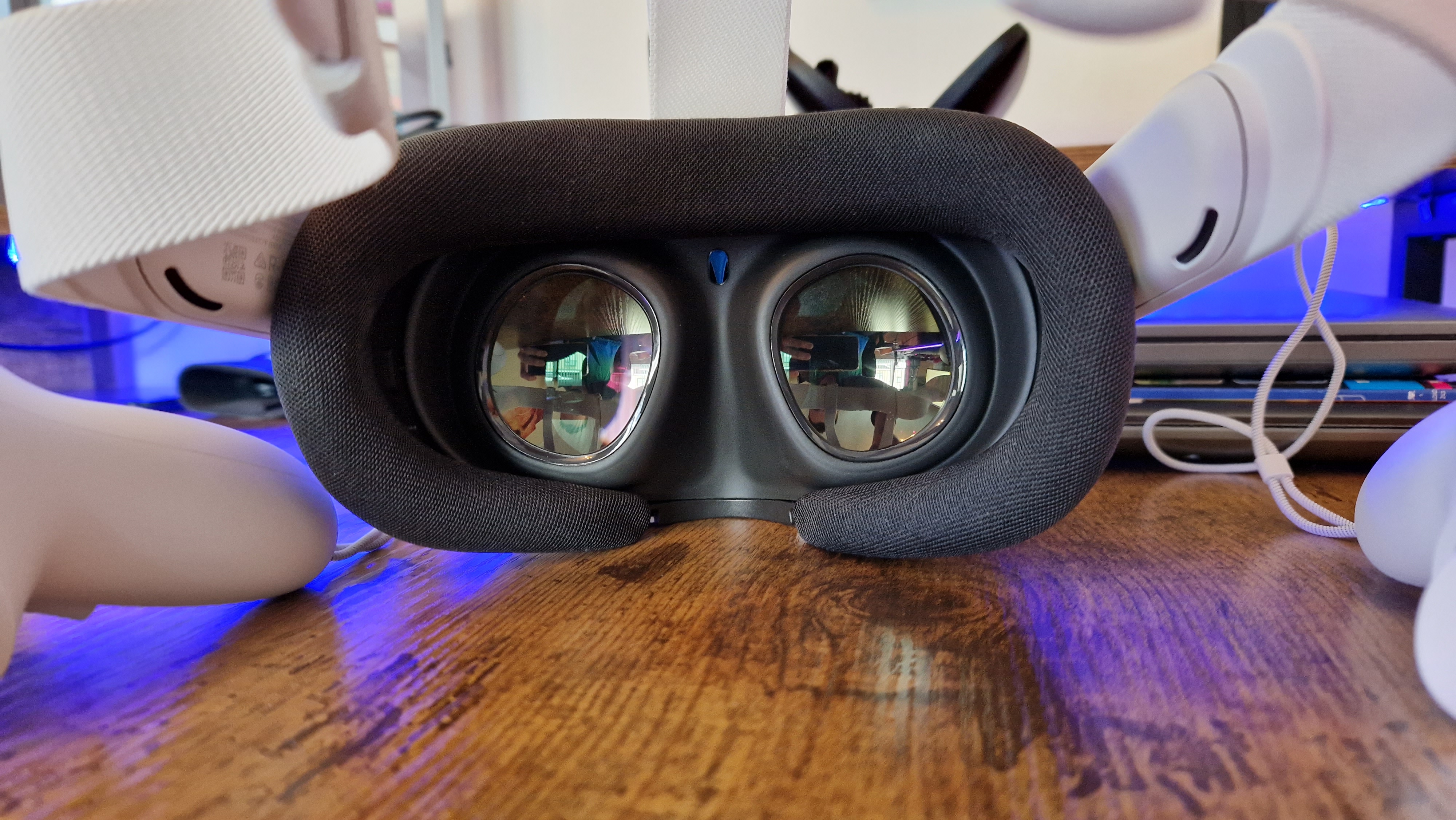
Now, rumors are swirling around Meta’s next VR headset using micro-OLED displays that would put it in the same league as the Apple Vision Pro, Samsung Galaxy XR, and upcoming Pico Project Swan headset. All of those headsets cost a substantially larger sum than the brand’s existing Meta Quest 3S and even Meta Quest 3 devices, with price tags well over the $1,000 and even $3,000 mark.
(Image credit: Future / Duncan Robertson)
The rumors come from a Chinese VR news outlet (by way of UploadVR), which reported that a micro-OLED display-making brand (aptly) named SeeYA Technology is trying to clear existing supply in order to meet the manufacturing demands of Meta’s next headset, which is codenamed Pheonix.
The most affordable Micro-OLED headset

(Image credit: Future)
If you’re looking for Micro-OLED displays for as little cash as possible, PSVR 2 is your best bet right now. You’ll need a PC and an adapter, or a PS5 to make the most of it, but it’ll set you back less than a Vision Pro, Galaxy XR, or a Project Swan later in the year.
PSVR 2: $399 at Best Buy | £382 at Currys
This is all very loose conjecture to take with a pinch of salt at the moment, but rumors around Project Phoenix of late do hint at it being a more premium product than the approachable Quest 3 range.
Meta/Oculus has always used LCD display tech in its headsets, and since the arrival of the Vision Pro, any headset using Micro-OLEDs has been targeting a much more premium spatial computing market with a higher price tag, which gets me thinking.
But for years now, I’ve been hearing from VR brands and people in the sector that Meta has been selling the Quest 3 devices at a loss, and with the proclaimed failure of its Metaverse strategy, it wouldn’t surprise me as a VR headset reviewer if Meta now wanted to switch up its strategy. Now that it’s switching to an AI-first mentality and isn’t looking to get VR hardware on the faces of as many people as possible, could a more premium price tag seem more alluring?
(Image credit: Valve)
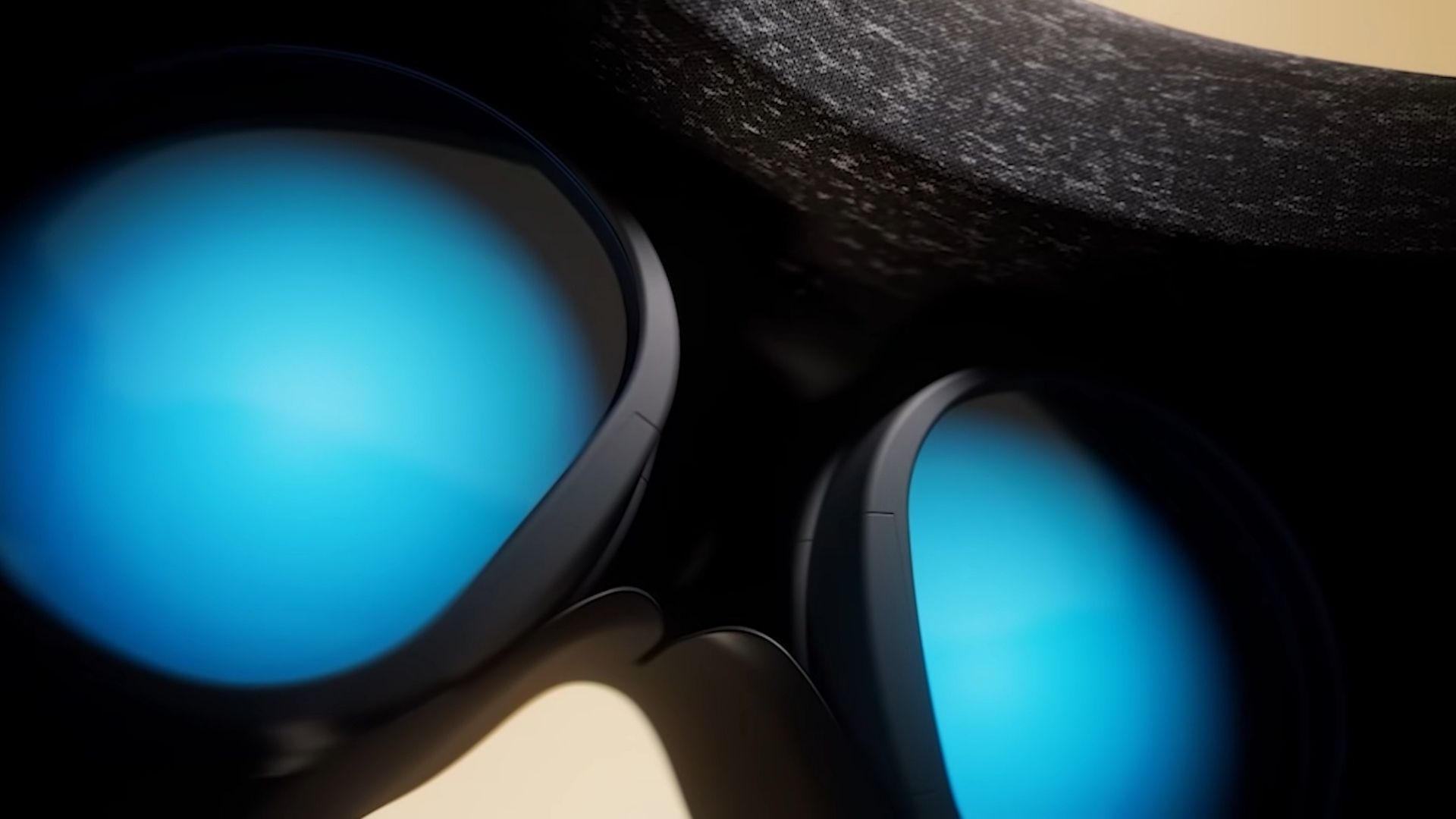
The Steam Frame still doesn’t have a price, and while I don’t think it’ll cost upwards of $1,000 if the RAMpocalypse doesn’t impact it too much, I do think it’ll be more expensive than the Meta Quest 3 and Meta Quest 3S. It’s confirmed to use LCD displays, so it definitely won’t be trying to compete with the visual fidelity of Apple, Samsung, and Pico.
Until now, Meta’s been the brand in my mind to try and undercut the rest of the VR competition, but I think we’ve seen in recent times that a headset that flies too close to he $1,000 mark hasn’t taken off with gamers. For example, the HTC Vive Focus Vision has all the specs and features to capture the interest of PC gamers, but its $999 price tag has left it in a league of its own.
Meta could be the first brand to offer a standalone headset with micro-OLED displays for a reasonable price, but I’d be surprised since the cost of this technology has been slow to come down in price in the last decade when it comes to larger displays like TVs and monitors.
(Image credit: Future / Duncan Robertson)
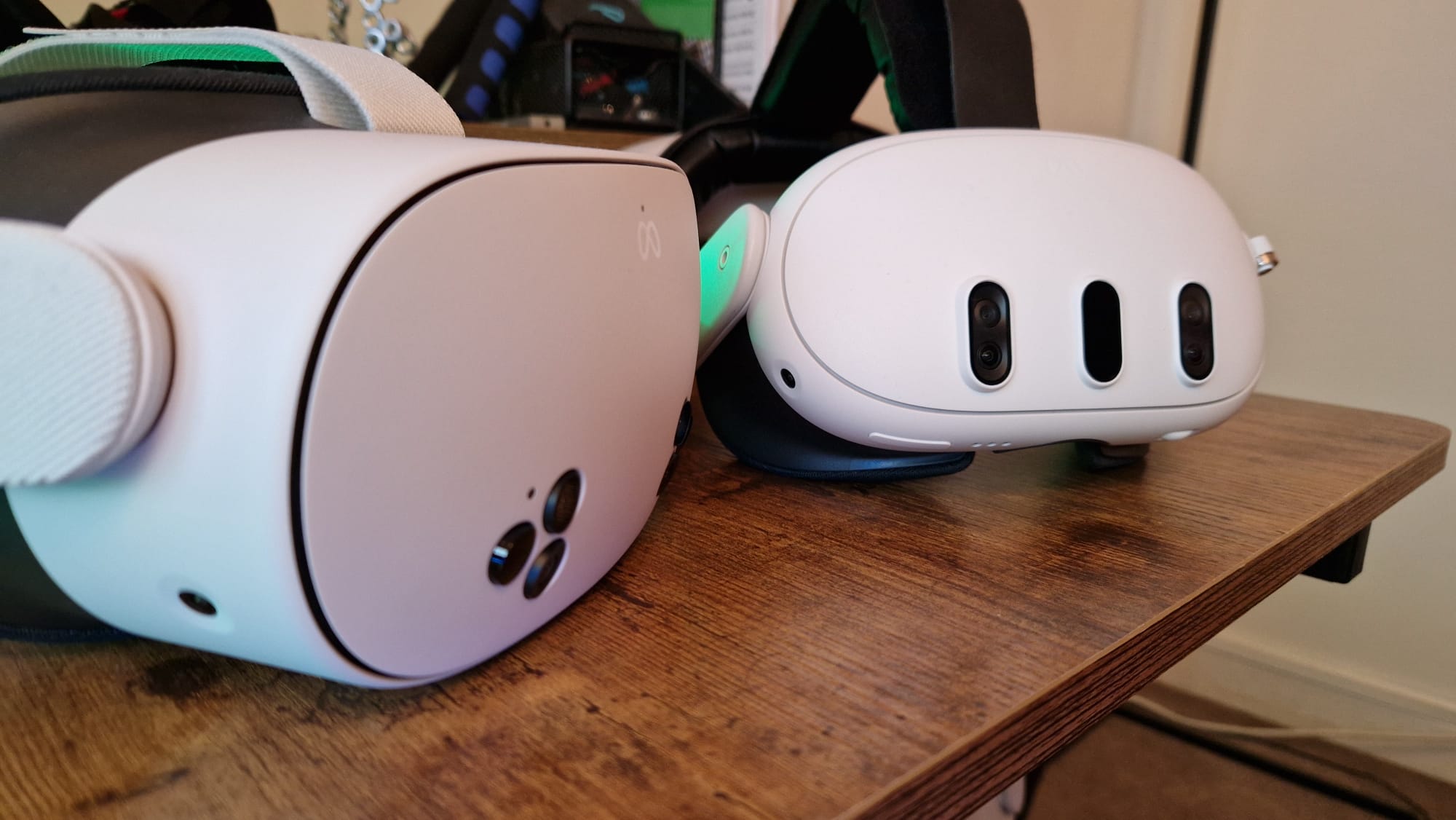
Meta might be adamant that it isn’t getting out of VR and VR gaming, but closing down its three major game development studios is a pretty clear sign to me that gaming won’t be as big a priority for what’s to come. If Meta leans into spatial computing like these other brands are, it leaves the door open even wider for Valve to score an open goal with the Steam Frame. Yes, PSVR 2 is still around, but PlayStation doesn’t seem as intent on making that the mainstay it could be.
A lot will hinge on the eventual pricing announcement for the Steam Frame, but if the RAM prices haven’t impacted it too much, it could be the headset for gamers to invest in as time goes on.
Today’s best VR headset deals
If you’re interested in VR, check out the best Meta Quest accessories, the best RAM for gaming, and the best gaming PCs.