
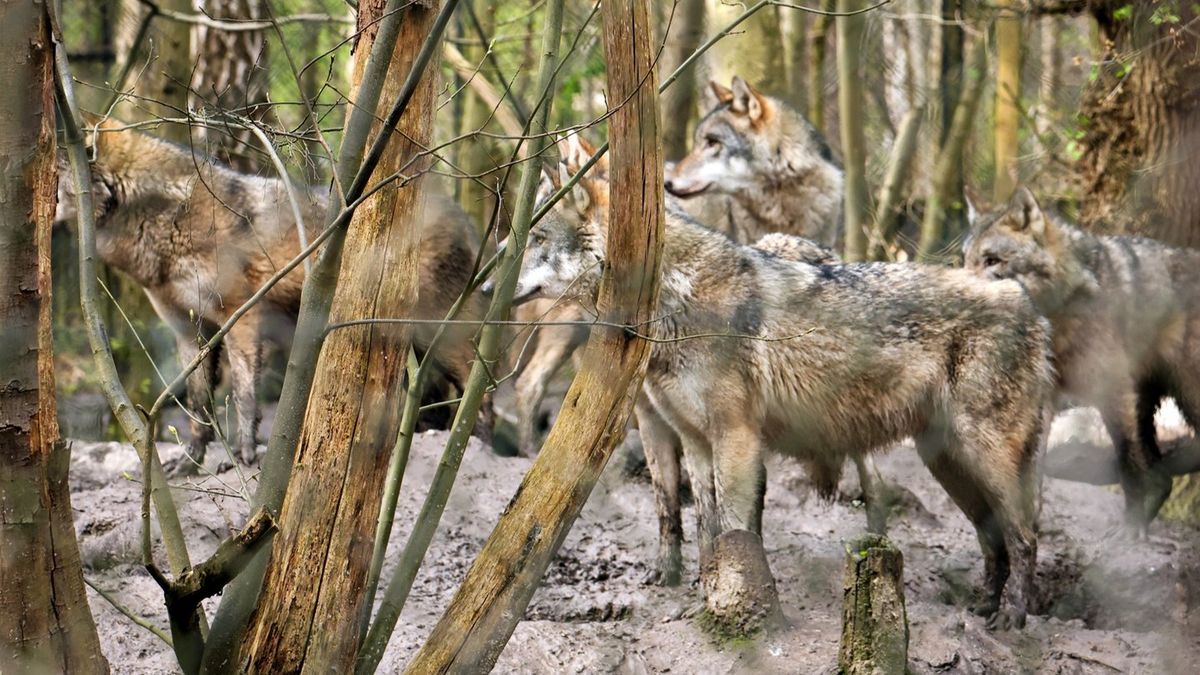
An animal park in Kent has explained why it made the decision to euthanise a pack of five wolves.
Since 2018, Wildwood Animal Park in Herne Bay, Kent, has been the home to European grey wolves Nuna and Odin, and their children Minimus, Tiberius and Maximus.
Nuna and Odin came from Switzerland and Sweden, respectively, and had to go through a lengthy bonding process, after which they were described as inseparable. By summer, their three cubs were born.
Tragically, all five wolves have now been killed, following what a Wildwoods spokesperson called a ‘severe escalation in aggressive behaviour’.
“Something changed within the pack,” they said. “The careful balance that allows wolves to live together, something so instinctive, yet so fragile, could no longer be restored.”
Three of the wolves suffered serious injuries, with one showing signs of sepsis.
The park said: “At that stage, their condition could deteriorate very quickly, causing significant suffering.”
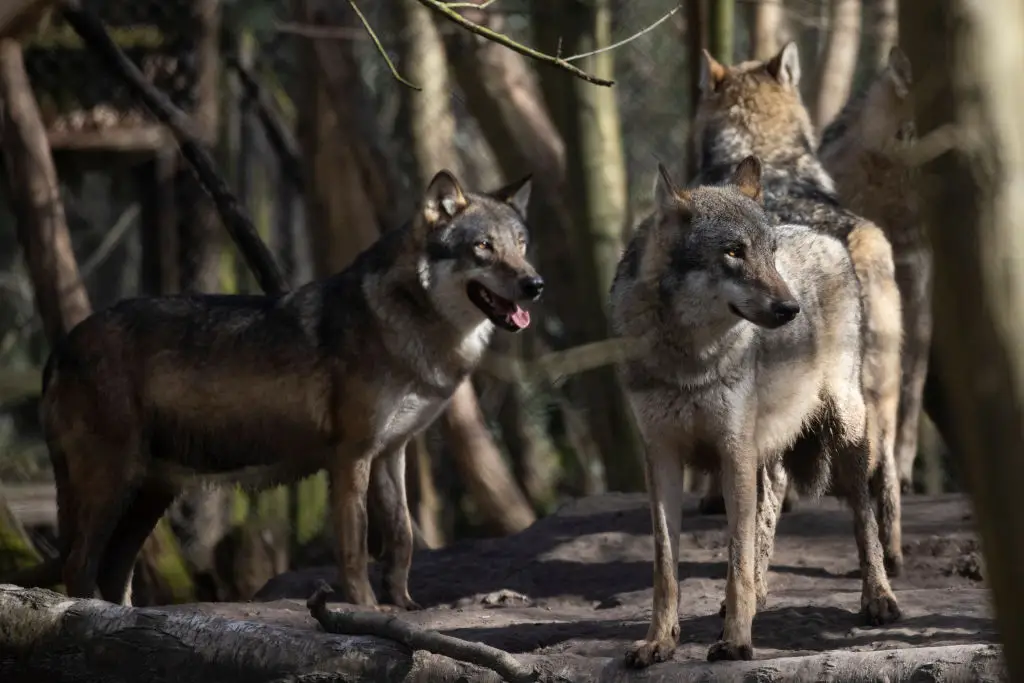 The pack of five wolves were euthanised after expert advice (Dan Kitwood/Getty Images)
The 40-acre Wildwood site is home to more than 200 species, including bears, bison and wild boar.
While the website promises to show the species in their ‘natural habitats’, one visitor – wildlife photographer Diana Jarvis – wrote on her blog: “There’s very much a zoo-like feel as you walk along the winding path among the enclosures.”
The wolf pack had to be put down after the Wildwood team found themselves ‘unable to safely intervene or provide the level of veterinary care required’.
They added that the decision to euthanise the pack ‘was not made lightly’ and ‘was made alongside experienced animal managers and veterinary professionals, and only after all other options had been considered’.
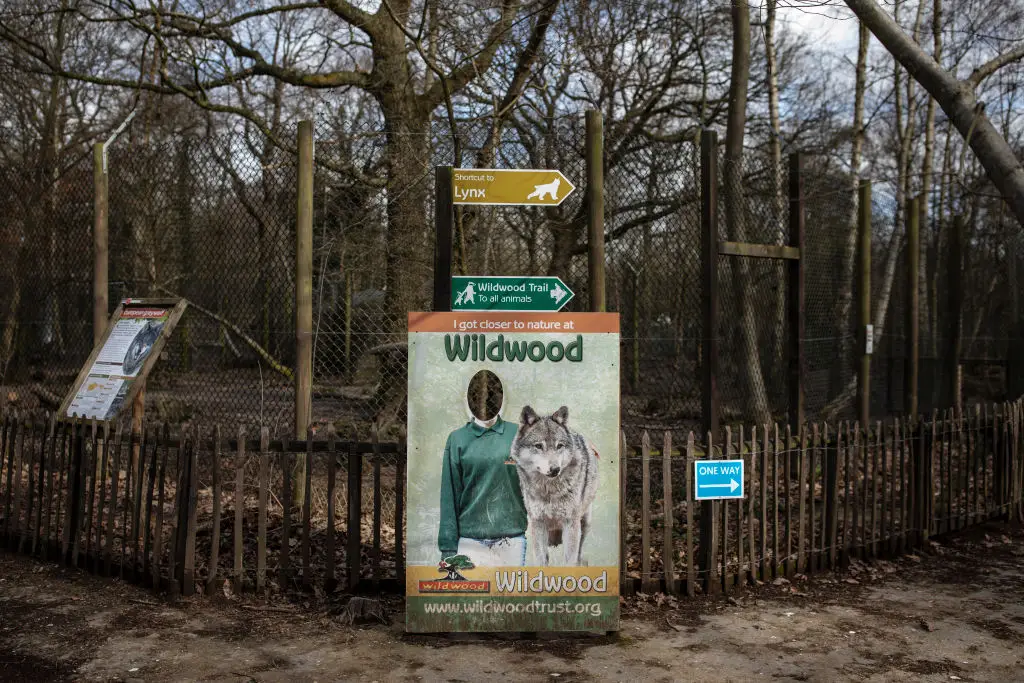 The park said it was a ‘last resort’ decision (Dan Kitwood/Getty Images)
The grey wolf is the largest member of the dog family. According to the National Wildlife Foundation, males weigh between 70 and 145 pounds, and females 60 to 100 pounds. They tend to be three to five feet long.
Packs can be anywhere from two to 30 wolves, but most have four to nine members. They’re made up of a dominant breeding pair, who mate for life, and several generations of their offspring.
Some younger members of the pack occasionally break off to find new territory and start their own packs, sometimes travelling hundreds of miles.
Why couldn’t the wolves have been separated?
People on social media hearing about the news were understandably upset. One called the decision ‘barbaric’ while another said they ‘don’t understand how this could happen’.
Many asked why the pack couldn’t have been split up, with different members moved to new territory.
Wildwood said this was ‘not an option’. They said: “Wolves are highly social animals with complex pack structures, and once that breaks down in this way, relocation or separation is not safe or viable.
“Attempting to sedate and move them in such a volatile situation would have posed a significant risk to both the animals and the team, and would not have resolved the underlying issue.”
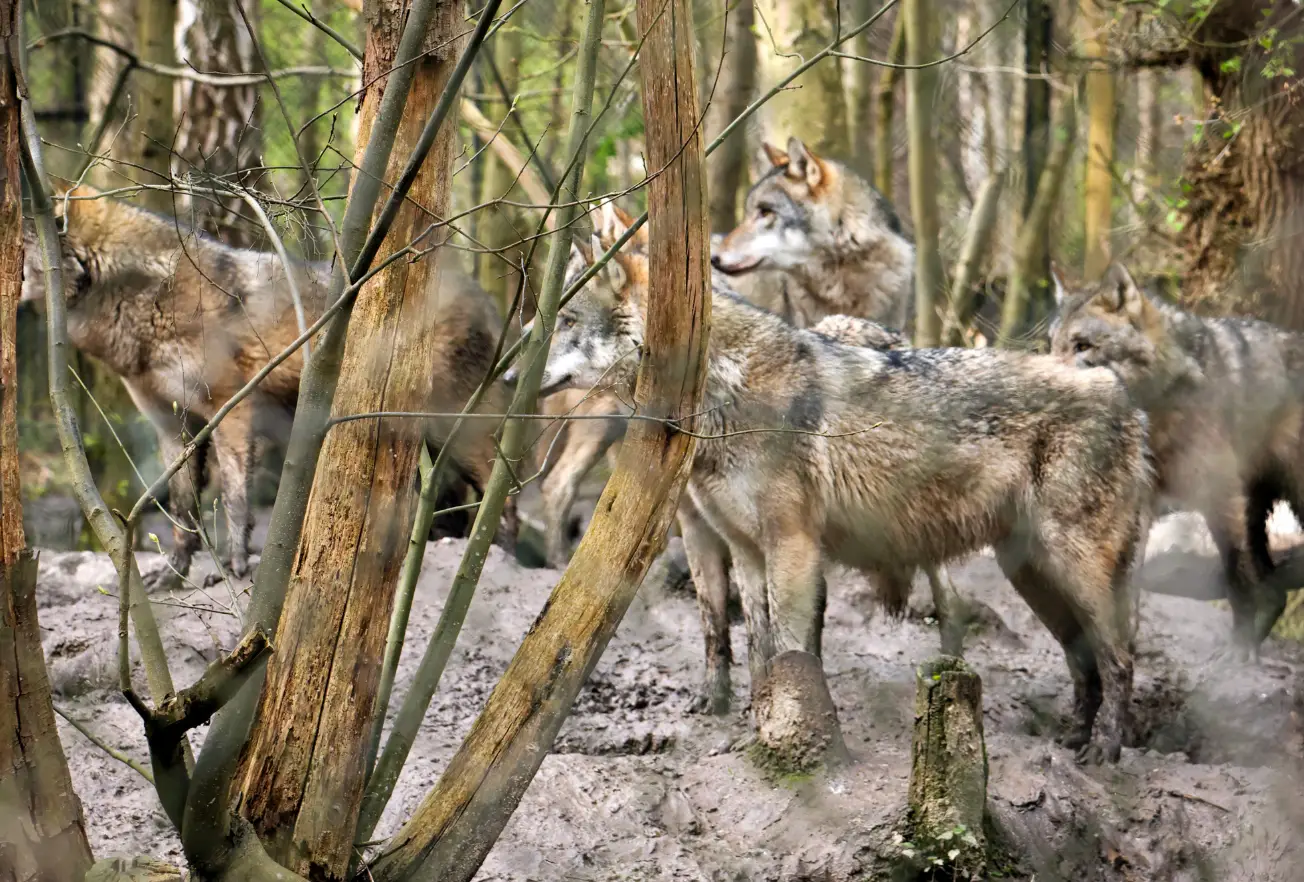 The park have explained their decision, stating it was a ‘last resort’ (Facebook/Wildwood Trust)
Paul Whitfield, Wildwood Trust’s director general, spoke more about the tough decision which has left staff heartbroken, stressing once again that this was a ‘last resort’ decision.
He said: “Our keepers care hugely about these animals and did everything they could to find a way forward.
“Wolves are highly social animals that live within complex family structures, and when those dynamics break down, conflict and rejection can increase. In this case, it led to ongoing welfare concerns and an unacceptable risk of serious injury.
“Euthanasia is never taken lightly, but in responsible animal care it can sometimes be the most humane option when welfare can no longer be maintained.
“This decision was an absolute last resort, with the animals’ welfare as our priority. It’s incredibly difficult, but it was ultimately the right thing to do to prevent further suffering.”