
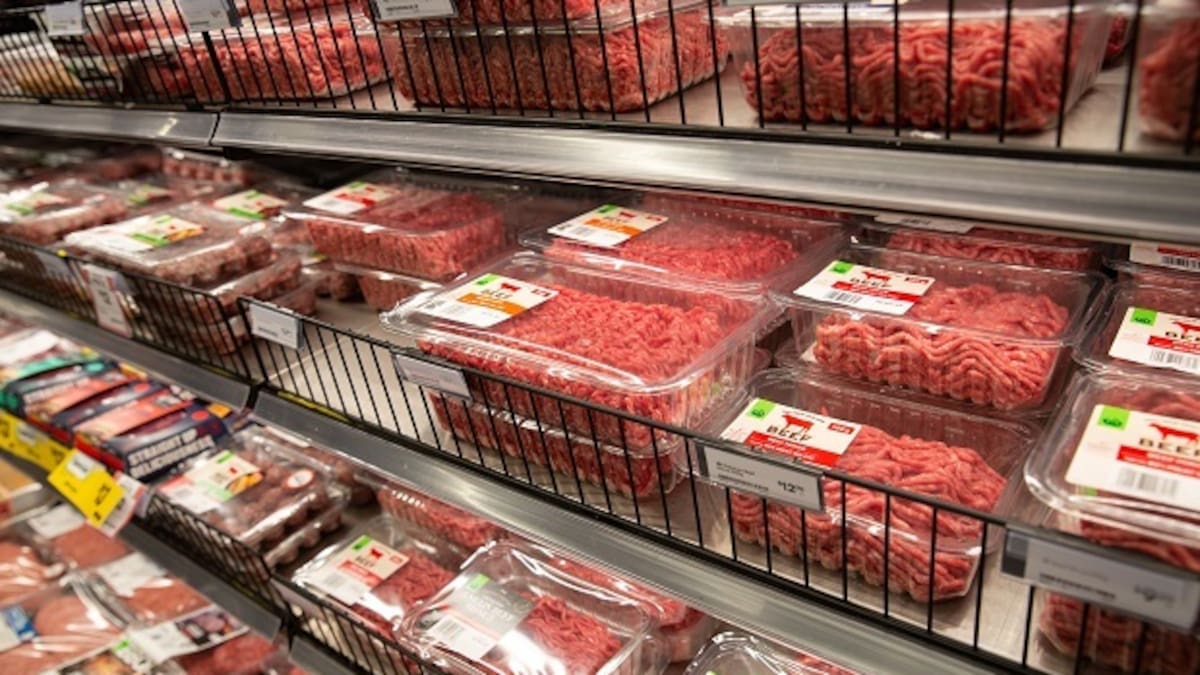
Figures from Statistics NZ show that while overall food prices have increased over recent years, pork prices have remained relatively steady. Often overlooked, pork mince is one of the closest substitutes for beef in both price and performance. It’s typically cheaper, slightly higher in fat and brings a mild sweetness that works well in meatballs, dumplings and pasta sauces. In many cases, it produces a juicier, more flavourful result than lean beef.
Chicken mince
Usually one of the most affordable options, chicken mince is lean and versatile. It works well in burgers, meatballs, stir-fries and lettuce cups, though it benefits from a bit of added fat or seasoning to prevent it from drying out. Think garlic, herbs, spices or a splash of oil to boost flavour.
Lamb mince
Not always cheaper, but sometimes comparable depending on the cut and season. Lamb has a much stronger flavour, so it’s not a neutral swap, but it works beautifully in dishes where bold seasoning is already part of the brief – think koftas, shepherd’s pie or spiced meatballs.
Now might be the right time to start experimenting with different pulses – a good source of protein, nice and filling and endlessly versatile.
Lentils and beans
For a low-cost, high-fibre option, lentils and beans can either replace mince entirely or be used to stretch it further. Brown lentils are particularly effective in bolognese or chilli, absorbing flavour while adding bulk. Even a partial swap can significantly reduce the cost of a meal.
How to stretch beef instead of replacing it
If you’re not ready to give up beef altogether, one of the easiest ways to cut costs is to simply use less of it.
A 50:50 mix of beef and lentils works surprisingly well in sauces and pies, while finely chopped vegetables – mushrooms, carrots, courgette – can be added to bulk out a dish without changing its character too much.
Another simple shift is to make meat the supporting act rather than the centrepiece. A smaller portion of mince, padded out with pasta, rice or vegetables, still delivers on flavour without the same price tag.
The dishes where swaps work best
Some meals are far more forgiving than others.
Bolognese, chilli and tacos are all highly adaptable, with sauces, spices and toppings doing much of the heavy lifting. In these cases, swapping in pork, chicken or lentils is unlikely to raise any eyebrows at the dinner table.
Meatballs are another easy win – in fact, pork often produces a softer, more succulent result than beef.
Stir-fries and lettuce cups arguably work better with chicken or pork anyway, making them a natural pivot point when beef prices climb.
This sticky chicken and kimchi bowl is filling and delicious. Photo / Babiche Martens
Not-beef mince recipes
– Chicken and mushroom larb on noodles recipe
– Chicken and spinach meatballs recipe
– Sticky ginger-glazed pork balls recipe
– Vietnamese-style lettuce wraps with pork and coriander recipe
–Tomato and zucchini bolognese with pappardelle recipe
– Sticky chicken mince and kimchi bowls recipe
And the ones worth leaving alone
That said, not every dish benefits from a rethink.
A classic beef burger is hard to replicate with anything else – the flavour and fat content are the point. The same goes for steak, which has no real substitute, and for dishes like cottage pie, where beef’s richness is central to the end result.
There’s also a case for leaving certain comfort foods untouched. A simple mince on toast or a traditional family recipe can carry more than just flavour – and sometimes, that’s worth the extra spend.
A practical reset, not a compromise
Rising prices don’t mean abandoning the meals you love. In many cases, they’re simply a nudge to cook a little differently.
Swapping proteins, stretching ingredients and choosing the right dishes to adapt can make a noticeable difference at the checkout – without making dinner feel like a downgrade.
Herald contributor Nikki Birrell has worked in food and travel publishing for nearly 20 years.