
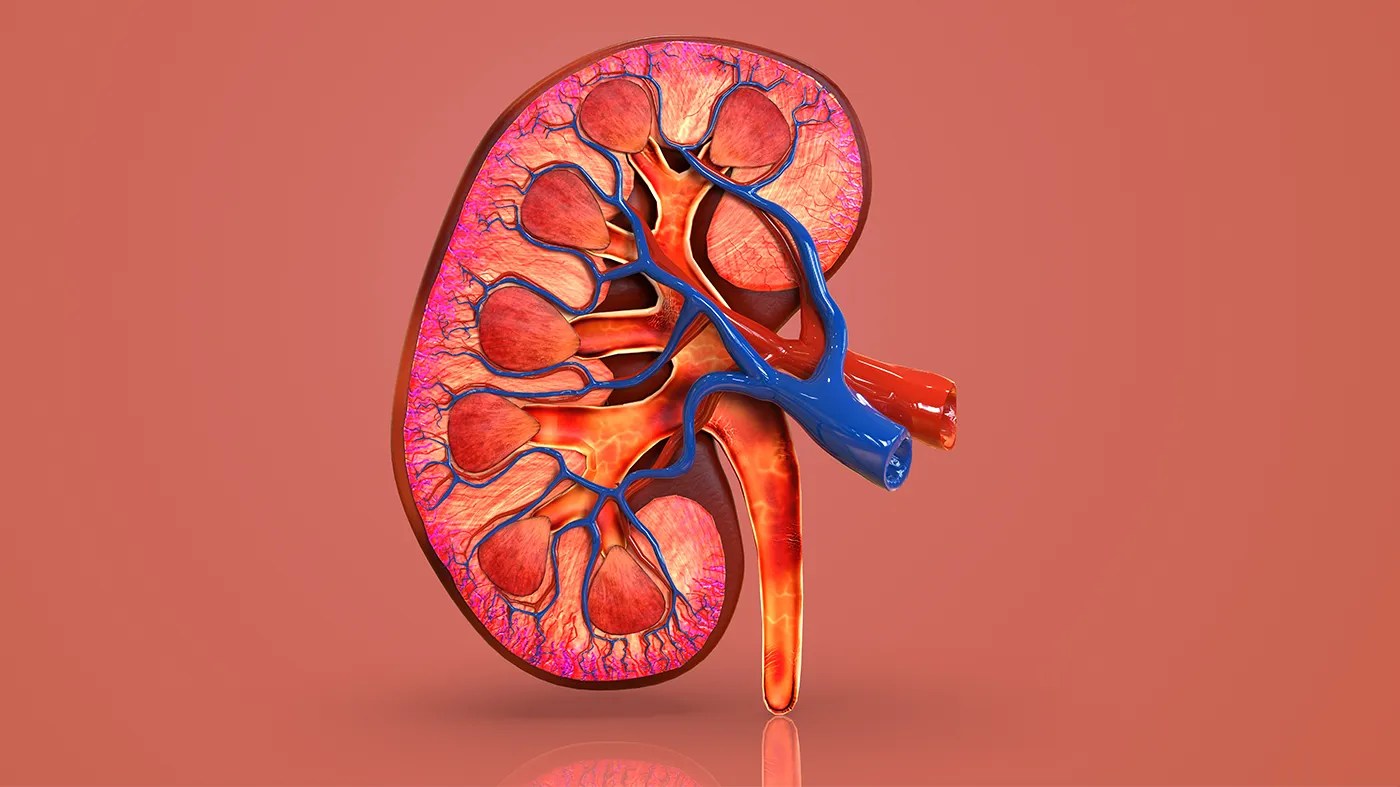
More than 1.4 million Veterans enrolled in VA health care are living with chronic kidney disease, a key focus during World Kidney Month
March is World Kidney Month. What better time to ask your VA provider about your risk for kidney disease? Most don’t “feel bad” until the later stages of kidney disease, so screening early can make a big difference.
Why Veterans are at greater risk
Military service can impact health in ways that show up years later. Veterans have higher rates of chronic kidney disease (CKD) than the general population. Certain health conditions that disproportionately affect those who have served increase CKD risk.
Risk factors include:
Diabetes.
High blood pressure.
Heart disease.
Occupational or environmental exposures.
More than half of all Veterans with CKD also have diabetes, about 7% have heart failure, and kidney disease is a risk factor for early death, regardless of other conditions.
If you have diabetes, high blood pressure, heart disease or a family history of kidney disease, talk to your VA provider about getting tested. The screening involves a simple blood test and a urine test.
VA is fighting for your kidney health
VA has been leading efforts in kidney health since 2019, when it created the first health system policy for CKD prevention, early detection and management.
This year, VA updated its joint clinical practice guidelines with the Department of Defense, with a specific focus on how military occupational exposures connect to kidney disease, an issue unique to the Veteran experience. The updated guidelines also emphasize shared decision-making, giving Veterans a stronger voice in their own care.
VA screens every enrolled Veteran for occupational and environmental exposures that can harm kidney function. For Veterans who may have an inherited kidney condition, VA offers genetic testing and counseling.
When it comes to treatment, VA has expanded access to home dialysis, so Veterans can manage their care independently. Integrated kidney care teams coordinate services across nephrology, nutrition, pharmacy, primary care and Whole Health programs. For those in rural or remote areas, VA’s Telenephrology Program offers virtual visits with kidney specialists, eliminating the need for travel.
VA has also built partnerships with the National Kidney Foundation, the American Kidney Fund and the American Association of Kidney Patients to ensure Veterans and their providers have access to the most current information and resources available.
What you can do right now
March is also National Nutrition Month, and nutrition is key to keeping your kidneys healthy. The main causes of kidney disease are diabetes and high blood pressure, which are strongly influenced by eating habits. Following a kidney-friendly eating plan, such as DASH or the Mediterranean diet, can help protect your kidneys. VA’s Nutrition and Food Services offers recipes and resources for kidney health. Visit with a dietitian at your VA for guidance on dietary adjustments to help manage your kidney disease.
What you can do this month to support your kidney health:
Schedule a kidney screening.
Know your blood pressure and blood glucose numbers.
Review your medicines with your care team.
Ask your provider about your personal kidney risk.
Be proactive to keep your kidneys healthy.
To learn more or request a kidney health evaluation, contact your VA primary care team, visit the VA Kidney Medicine Program or log into MyHealtheVet.