

In December 2024, an unexpected discovery on the roads of Hainan Island, China, offered a glimmer of hope for one of the world’s most elusive and endangered mammals. Researchers stumbled upon the carcass of a Hainan hare (Lepus hainanus), a species previously thought to be confined to the island’s western regions. The roadkill was found by chance along a highway in the northeast part of the island, marking the first confirmed sighting of the species in that area in nearly 40 years. The discovery, detailed in the journal Mammalia, has sparked renewed hope for the hare’s survival, highlighting potential gaps in conservation knowledge and raising questions about the species’ true range.
Rediscovering the Hainan Hare
The Hainan hare, found only on Hainan Island, has long been considered one of the most critically endangered species on Earth. Historically, the hare roamed the coastal lowlands of the island, thriving in areas like the Datian National Nature Reserve. However, significant declines in its population, driven by habitat loss and hunting pressures, led to a sharp reduction in its numbers. By the 1980s, the once widespread species had dwindled, and by 2008, estimates suggested no more than 250 to 500 individuals remained.
The December 2024 discovery challenges assumptions about the hare’s range. Despite its severely damaged condition from a vehicle collision, researchers quickly identified it as the Hainan hare. The roadkill was found along Pulongxian Highway in northeast Hainan, far from the established habitats in the west. This unexpected find suggests the possibility of a previously unrecognized population, one that could provide hope for future conservation efforts.
“It provides hope for this nationally critically endangered species as its current range is wider than previously known,” Michael Hui, a conservation officer with Kadoorie Farm and Botanic Garden (KFBG), told Live Science.
The discovery could signal that conservation efforts might need to expand beyond the traditionally protected areas to ensure the hare’s survival.
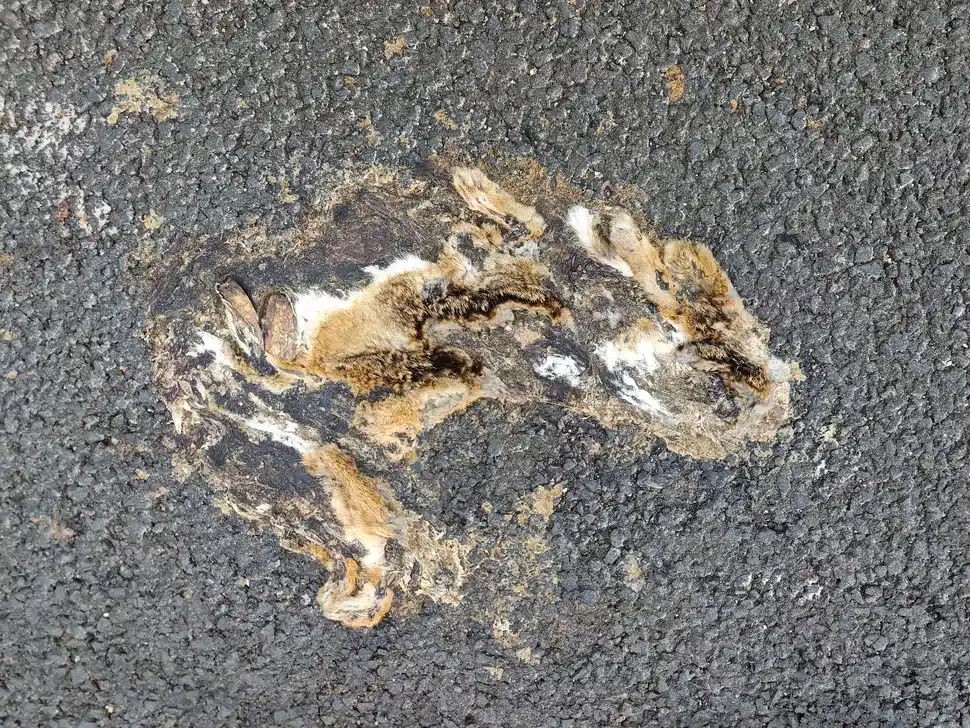 The hare was killed by a vehicle and was found along Pulongxian Highway in northeast Hainan on Dec. 25, 2024.
Image credit: Kadoorie Farm and Botanic Garden
A Glimmer of Hope in a Declining Habitat
The Hainan hare’s elusive nature makes it difficult to monitor, with most sightings occurring in remote areas where access is limited. The species is nocturnal and lives in lowland habitats that have steadily declined due to agriculture and urbanization. This combination of factors has made systematic surveys of the species’ population challenging, and as a result, the full extent of its remaining habitat is poorly understood.
While the roadkill sighting is a significant step forward, researchers caution that it does not necessarily mean that the population is thriving in this area. Despite the new information, Hui emphasized that the species’ stronghold in the western regions of Hainan is not as secure as previously thought.
“Our article also provided updated information regarding the species’ stronghold in the western region, which is not as secure as traditionally assumed,” he explained.
The researchers note that conservation efforts in the region must be carefully tailored to these new insights. The potential existence of a remnant population in the northeast, if confirmed, would significantly alter the strategies employed by conservationists.
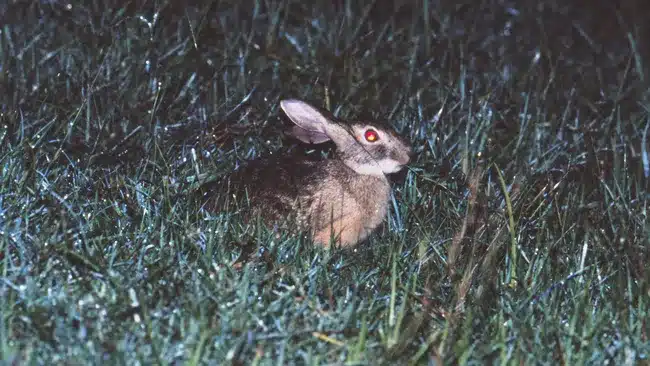 A Hainan hare spotted in Datian National Nature Reserve on the Chinese island of Hainan in 2001.
Image credit: Kadoorie Farm and Botanic Garden
Conservation Efforts and the Path Forward
Given the hare’s critical status, understanding its full range and the threats it faces is crucial for developing effective conservation strategies. The roadkill discovery has prompted scientists to call for more thorough, island-wide surveys of the species’ range. Researchers suggest that even incidental records of the Hainan hare can provide valuable information to inform future conservation actions.
“We believe that every new record, even single incidental records, can help inform future surveys and proposed conservation actions,” the authors of the study, published in the journal Mammals stated. This approach underscores the importance of every sighting, whether accidental or planned, in piecing together the larger puzzle of the Hainan hare’s survival.
The future of the Hainan hare rests on the delicate balance between preservation of its habitats and the successful implementation of expanded conservation efforts. The 2024 discovery, though tragic in its timing, shines a light on potential opportunities for the species to recover—if actions are taken swiftly.