
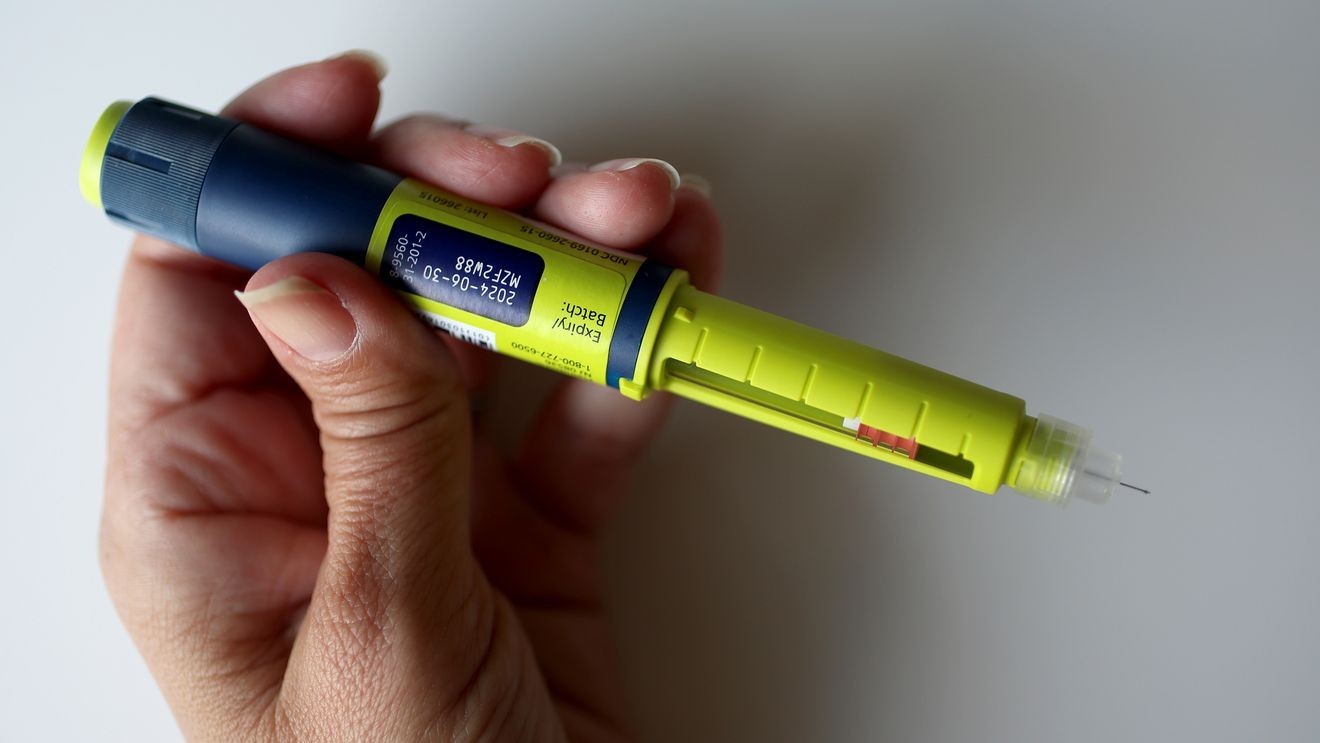
WASHINGTON (TNND) — New research is shedding light on both who may be at higher risk for dementia and how quickly cases are growing across the U.S.
Type 1 Diabetes and Dementia Risk
A study published in Neurology and led by researchers at Boston University School of Public Health analyzed nearly 284,000 U.S. adults over age 50.
The findings show:
0.6% of people without diabetes developed dementia1.8% with type 2 diabetes2.6% with type 1 diabetes
That puts people with type 1 diabetes at nearly three times the risk of developing dementia compared to those without diabetes. Researchers stress this is a correlation, not causation.
Possible links include blood vessel damage, chronic inflammation, and insulin-related changes in the brain. A debated theory connecting Alzheimer’s to insulin resistance, sometimes called “type 3 diabetes”, remains unproven.
Alzheimer’s vs. Dementia
Alzheimer’s is a specific brain disease, while dementia is a broader category of symptoms. All Alzheimer’s cases lead to dementia, but not all dementia is Alzheimer’s.
Cases Are Climbing
According to the Alzheimer’s Association:
About 700,000 Americans are diagnosed with Alzheimer’s each yearAround 500,000 individuals develop dementia annuallyRoughly 7 million Americans are currently living with these conditions
Research in Nature projects new dementia cases could reach 1 million per year by 2060.
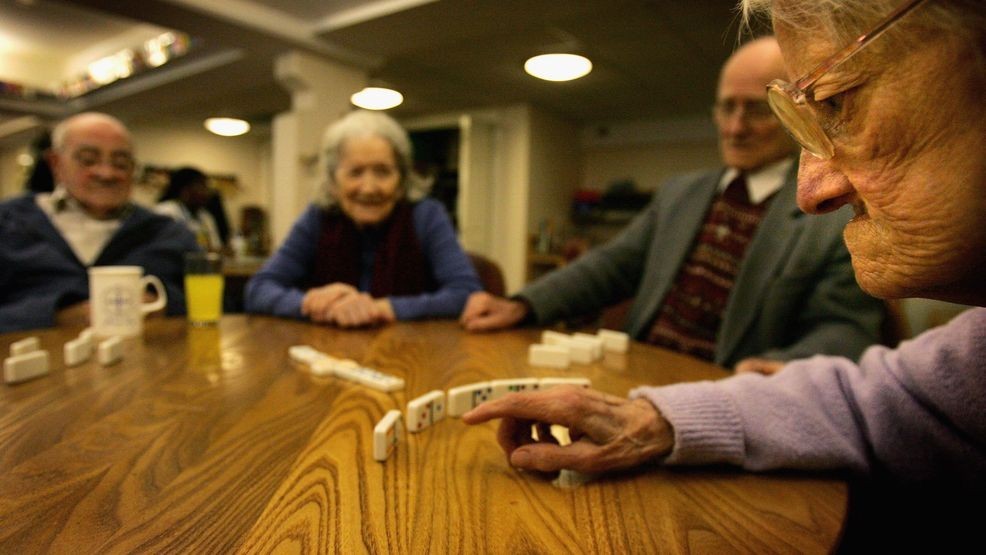
LONDON – MAY 19: Peggy checks her hand during a game of dominoes on May 19, 2006 in London, England. A deal on pensions has been agreed between Tony Blair and Gordon Brown and an age rise for when the pension can be taken, from 65 to 68 is likely to be enforced by the year 2050. (Photo by Daniel Berehulak/Getty Images)
Where Treatment Stands
There’s still no cure, but treatment is evolving. Researchers say care now focuses on:
Managing symptomsSlowing disease progressionNewer drugs, including monoclonal antibody therapies, target plaque buildup in the brain, and earlier diagnosis is helping patients start treatment sooner.
Bottom Line
Dementia cases are rising, and emerging research suggests risk factors like type 1 diabetes may play a bigger role than previously understood.
Comment with Bubbles
BE THE FIRST TO COMMENT
At the same time, while treatments are improving, a cure remains out of reach, for now.