
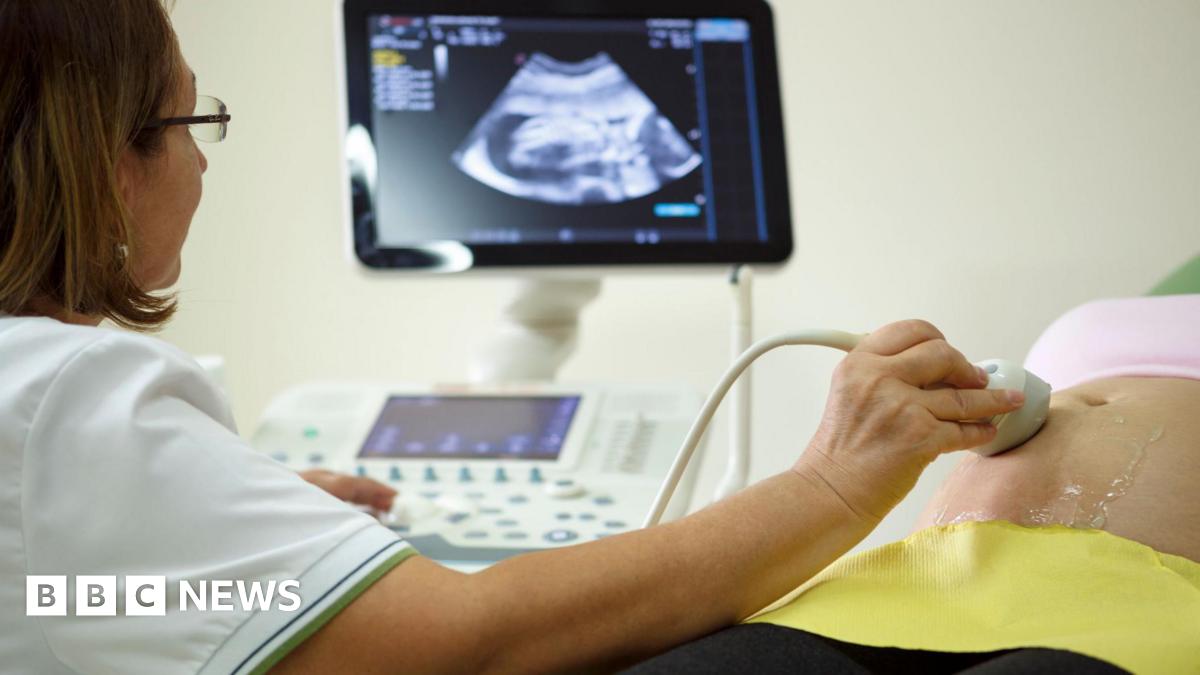
Pregnant women across the UK are offered at least two ultrasound scans – one at 11 to 14 weeks and another between 18 and 21 weeks.
The scans estimate the date of delivery, check on the growth of the baby and look for health conditions that may affect the brain, heart and spinal cord, among other issues.
Some women need additional scans to monitor their baby’s health and their own as the pregnancy progresses.
Katie Thompson, president of the Society of Radiographers and a practising sonographer, says a UK-wide lack of staff is particularly affecting urgent, short-notice scans.
“If somebody’s coming in with concerns about their pregnancy, about their baby, they would like to be scanned that day, if possible,” she says.
But that’s not possible in most hospitals, she says, meaning women have to wait to find out if there are any issues.
“That raises anxiety – and that’s not good to have in pregnancy.”
Some departments are struggling to fit in patients who need these emergency scans and sometimes hospitals have to pull in sonographers from other areas to keep the antenatal services going, at the expense of those other services, according to reports.
Ultrasounds are also heavily relied on to diagnose cancers and check on organs such as the liver, kidneys and spleen.
Sonographers say patients are facing delays here too, which could be “really dangerous for the patient”.
Dr Jenny Barber, consultant obstetrician and vice president for clinical quality at the Royal College of Obstetricians and Gynaecologists, called the high vacancy rate “very concerning”, particularly as doctors are seeing more women with increasingly complex pregnancies.
She said “meaningful investment in the maternity workforce” was needed.