
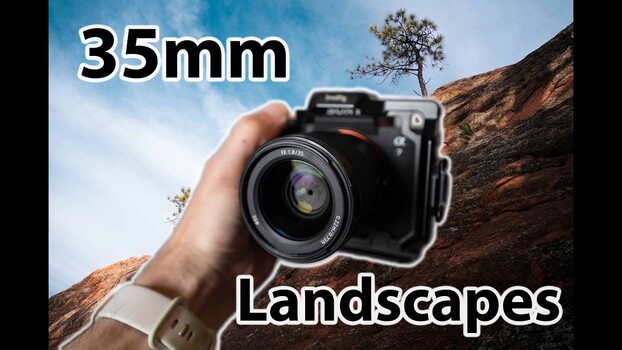
Picking the right lenses before a shoot you’ve never scouted is a gamble. This photographer’s go-to kit for unknown locations — a 35mm, a 150–500mm, and a 14–24mm — gives a real-world look at how a working travel and landscape setup holds up in the field.
Coming to you from Carey West, this exploratory video follows West through Red Rock Canyon with his Sony a7 IV, his pug Malcolm, and that three-lens kit in tow. The location itself is worth paying attention to: dramatic sandstone spires, intense color in the rocks ranging from magenta to deep red, and the kind of light that shifts fast near sunset. West is upfront that the first half of the shoot didn’t produce much he was happy with, and watching him work through that by adjusting composition, second-guessing shots, and realizing he parked in the wrong lot is more useful than a highlight reel would be. He also flags a real equipment issue mid-shoot: his tripod head was wobbling, which cost him sharpness on a composition he was genuinely excited about.
One of the more honest moments in the video is West walking through a composite he made from the session. He combined a frame with good color on the landscape, a separately painted-in deer, light added to the rocks, and a sky pulled from a later frame. He’s candid that the result is “very unrealistic;” the light on the rock wouldn’t match that sky in real life, and he’s not entirely happy with it. That kind of transparency about the gap between what you planned and what you got is rare, and it’s paired with some genuinely strong end-of-shoot frames where the rock textures and color really do come alive in post.
For landscape work near mountains, where the terrain blocks your view of the western horizon, knowing whether clouds are sitting along the sunset line before you drive out saves wasted trips, and West discusses some approaches to addressing this. Check out the video above for the full rundown from West, including the final images and how he processed the rock textures in post.