
Home » AIRLINE NEWS » Qantas and Air New Zealand raise ticket prices as Middle East tensions trigger jet fuel surge, reshaping Asia Pacific aviation costs and travel demand outlook
Published on
March 27, 2026
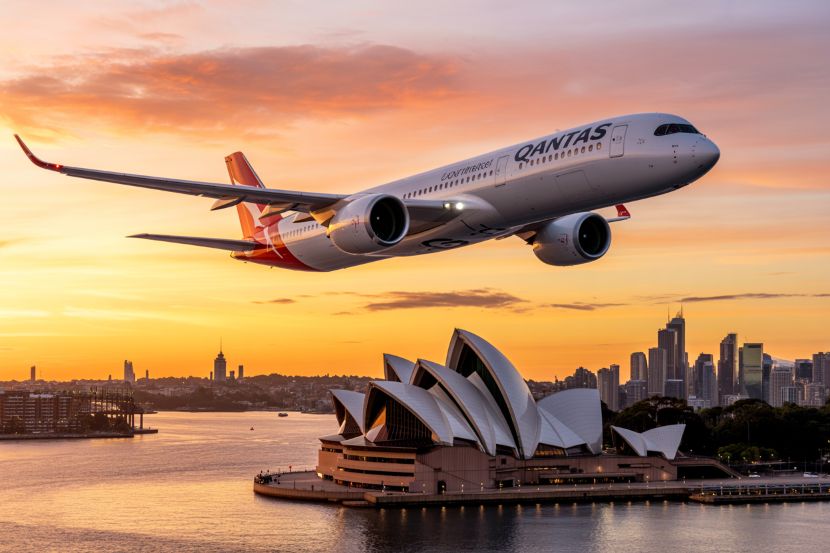
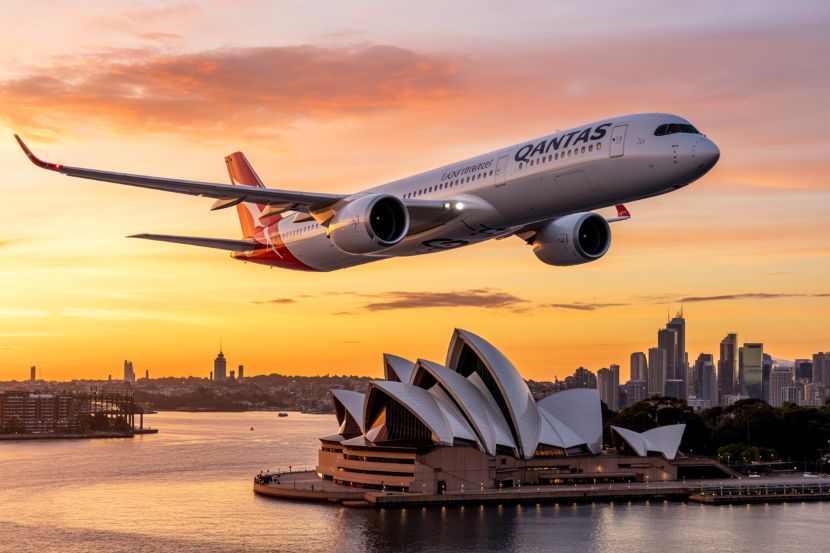
Image generated with Ai
Qantas and Air New Zealand have begun raising ticket prices as a sharp increase in jet fuel costs, driven by escalating tensions in the Middle East, places fresh pressure on the aviation sector across the Asia-Pacific. The sudden surge is reshaping airline cost structures, prompting carriers to adjust fares, reassess route strategies, and prepare for ongoing market volatility, even as travel demand remains relatively strong for now.
In recent weeks, jet fuel prices have climbed sharply from levels of around US$85–90 per barrel to as high as US$150–200. For an industry where fuel is one of the single largest cost components—often accounting for up to 35% of total expenses—such a steep increase is difficult to absorb without swift corrective measures.
Airlines have responded by gradually pushing up ticket prices across their networks. The changes are not uniform. Short-haul and domestic routes are seeing smaller fare adjustments, while long-haul flights—particularly those connecting Asia-Pacific with Europe and beyond—are witnessing more noticeable increases. These routes consume significantly more fuel, making them more vulnerable to price shocks.
Despite higher fares, travel demand has not shown immediate signs of slowing. Flights on key international corridors are continuing to operate with strong load factors, reflecting sustained interest in both leisure and essential travel. This resilience is giving airlines some room to pass on costs without triggering a sharp drop in bookings, at least for now.
Advertisement
Advertisement
At the same time, carriers are reassessing how they deploy their fleets. Rising fuel costs are prompting a closer examination of route profitability, leading to adjustments in capacity and scheduling. Airlines are prioritising routes that generate stable demand or higher yields, while keeping a tighter check on less efficient operations.
Long-haul travel remains at the centre of these decisions. Routes linking Oceania with Asia and Europe are particularly significant, both in terms of revenue and exposure to fuel price fluctuations. With passengers still showing strong interest in these sectors, airlines are working to maintain service levels while managing the higher cost base.
Advertisement
Advertisement
The situation is also sharpening the focus on operational efficiency. Newer aircraft with improved fuel economy are becoming increasingly valuable, helping airlines reduce per-seat costs on longer journeys. While fleet modernisation has been an ongoing trend, the current fuel environment is accelerating its importance as a cost-control measure.
On the financial side, uncertainty is becoming a defining feature. The unpredictability of fuel prices is making it harder for airlines to map out future performance with confidence. Planning cycles are being adjusted to reflect a wider range of possible scenarios, especially if energy markets remain unstable.
Advertisement
Advertisement
Traditional safeguards such as fuel hedging are offering only partial relief. While these strategies can cushion gradual increases, they are less effective when prices spike rapidly beyond anticipated levels. As a result, airlines are having to rely more heavily on real-time adjustments, including fare revisions and network optimisation.
The impact of rising costs is expected to extend beyond airline balance sheets. Higher ticket prices could begin to influence traveller behaviour, particularly in price-sensitive segments. Some passengers may opt for shorter trips, delay travel plans, or seek out more affordable destinations if fares continue to rise.
Even so, the region’s aviation market is benefiting from a strong recovery in travel demand. International routes have been rebounding steadily, supported by improved connectivity and a return of passenger confidence. This underlying strength is helping airlines navigate the current cost pressures without immediate disruption to traffic levels.
Looking forward, the direction of fuel prices will remain a key variable. A stabilisation could ease the burden on airlines and limit further fare increases. However, if prices stay elevated, the industry may need to adapt to a prolonged period of higher operating costs, with potential implications for both airlines and travellers.
In response, carriers are expected to continue refining their strategies—balancing pricing, capacity, and efficiency to stay competitive. Flexibility will be essential, as conditions can shift quickly in a market influenced by both global energy trends and geopolitical developments.
For now, Asia-Pacific airlines are adjusting to a new cost reality. With fuel prices climbing and uncertainty lingering, the sector is moving cautiously, aiming to protect margins while keeping pace with steady travel demand. The path ahead will depend largely on how long the current pressures persist and how effectively airlines can adapt to an increasingly complex operating environment.
Advertisement
Advertisement
