
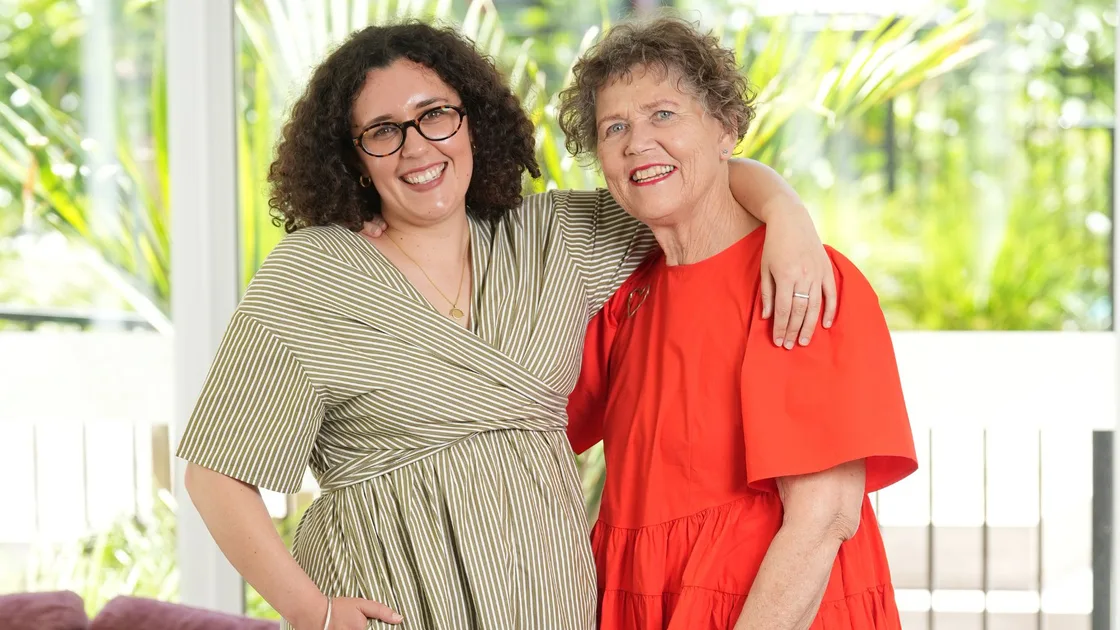
When Rhodes Scholar Isabella Lenihan-Ikin’s beloved aunt Brigid Lenihan needed a new kidney, there was no doubt in her mind. If she could, she would donate one of her own.
Isabella, 29, says, “I knew my mum was actively looking into donating. I said, ‘If you can’t do it, I’ll look into it.’ It was as simple as that.”
Sitting beside her aunty Brigid, who she affectionately calls Bid, it’s clear to see the close bond they share.
Brigid, 65, explains, “Issy and I have always had a wonderful relationship. But I still get emotional. It was totally overwhelming for someone to say they’re going to do that for you. How do you even express how you feel knowing that someone is going to save your life?”
Brigid was 18 when she first learned something was wrong with her kidneys, although it would take many years to be accurately diagnosed with fibronectin nephropathy. The rare, inherited condition causes excess protein to accumulate in the kidneys and eventually leads to irreversible renal failure.
According to Kidney Health New Zealand, one in 10 people globally live with chronic kidney disease, often without realising until organ function has deteriorated significantly. Brigid is one of 10 siblings and chronic kidney disease has had a wide-reaching impact on the family. One sister received a transplant in her late thirties, passing away in her early fifties.
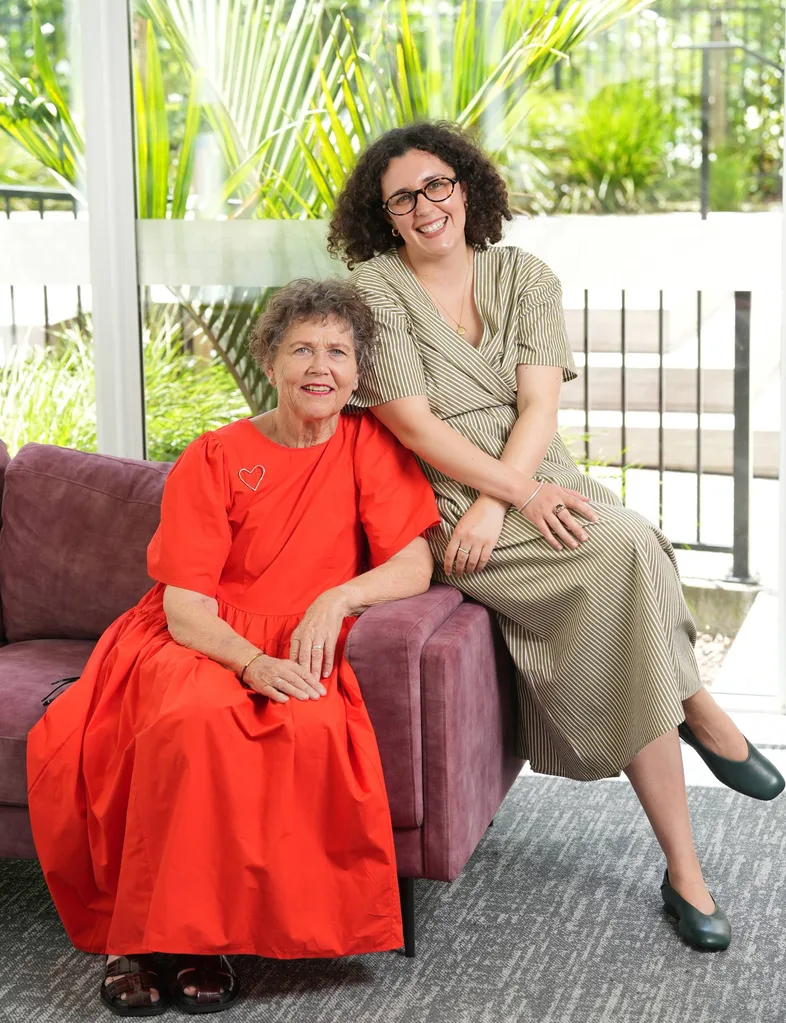 Isabella and mental health nurse Brigid continue to dedicate their lives to others’ wellbeing. (Credit: Photography: Robert Trathen.)
Family history and genetic testing
Her father, Jack, died without a diagnosis, but subsequent testing revealed the gene mutation runs through the paternal line, and many relatives have since tested positive for the gene, including Isabella’s mother Winnie.
“We’re lucky as a family because developments in science mean the disease can be linked to a particular gene,” shares Isabella, who didn’t hesitate to get tested.
“I am the kind of person who prefers to know. Early detection is a really important part of being able to slow the disease, and I encourage other family members on the fence that this can be a positive step in terms of delaying onset.”
Isabella tested negative and explains testing positive is not a guarantee you will get the disease.
Life after testing
For Brigid, a devoted mental health nurse, there were decades where kidney disease didn’t dramatically affect her life. She could still work, exercise and socialise.
“My kidneys deteriorated very slowly over a long period,” says Brigid, who in 2017 started on nightly dialysis as she slept.
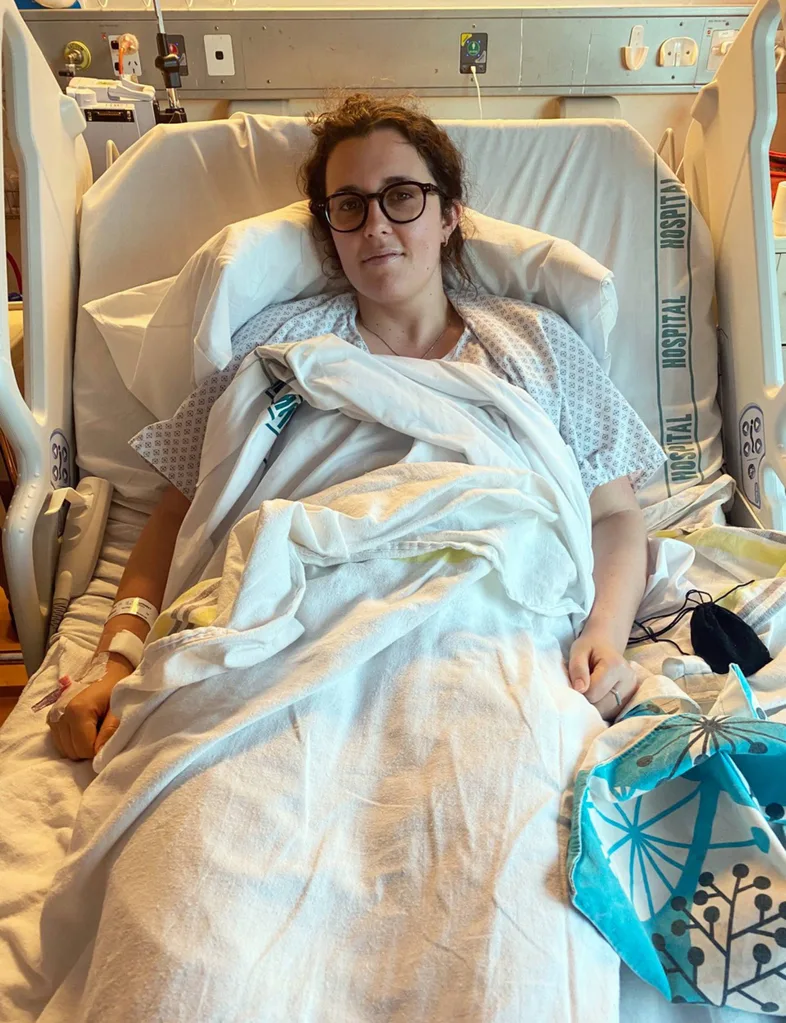 Isabella following surgery at Auckland Hospital in 2021.
The life-changing diagnosis
Then in 2019, she was shocked to learn she needed a kidney transplant to survive.
“I never thought it would happen,” she admits.
“I’m an optimistic person. I believed that it was going to be fine and I’d keep living the way I was.”
Multiple family members stepped forward to be a donor but, for various reasons, weren’t able to donate.
A quiet journey
For nearly a year, Isabella quietly went through the extensive screening process, not wanting to get anyone’s hopes up. Only when the testing reached a stage requiring both donor and recipient to be involved did she finally tell Brigid.
Isabella, then 25, insists she simply did what anyone would. But Brigid disagrees.
She shares, “I will contradict Issy and say she is a remarkable person with an amazing heart, and is always giving. I don’t agree with her that just anybody would do that.”
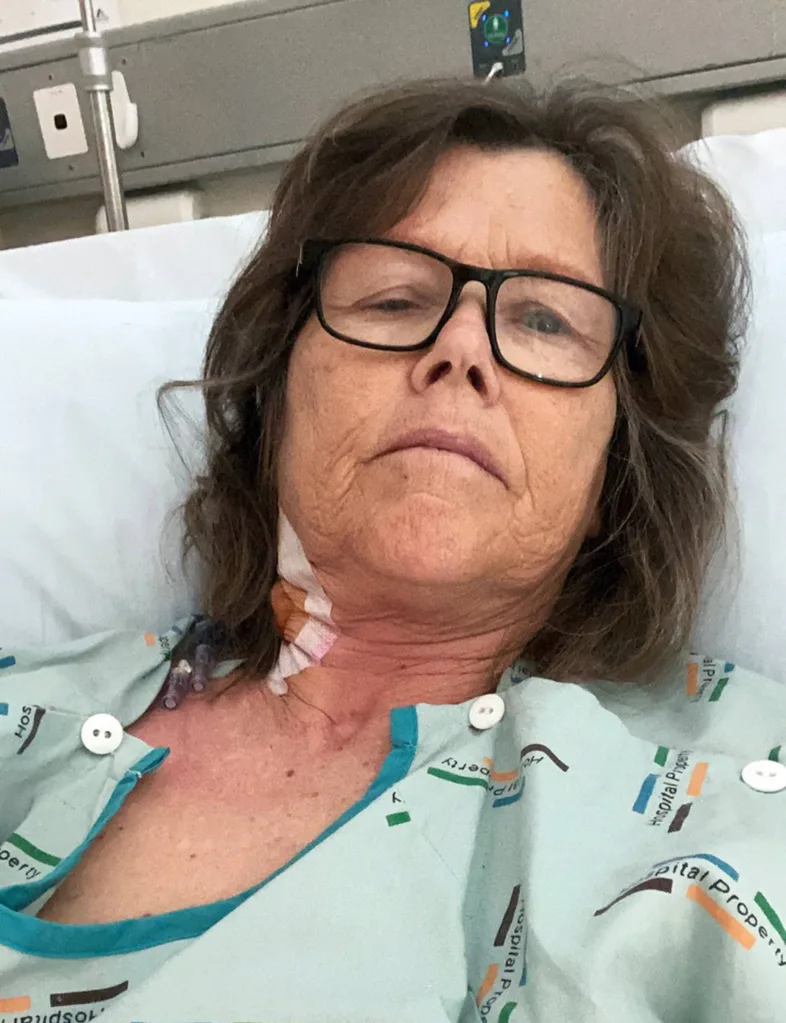 Isabella’s aunt following surgery at Auckland Hospital in 2021.
The transplant journey
The transplant took place in September 2021, just days into a pandemic lockdown. Despite the magnitude of the operation, Isabella’s own recovery was swift.
“When you’re a donor, you’re a healthy person,” she reflects.
“I went into hospital as a well person, was there less than 24 hours and left as a well person.”
Inspiring others
Isabella hopes their story encourages others to consider organ donation.
“I feel so lucky for the opportunity to have been involved in someone’s life at such an important time,” she smiles.
Today, both women are thriving, even completing half marathons in the years since the transplant.
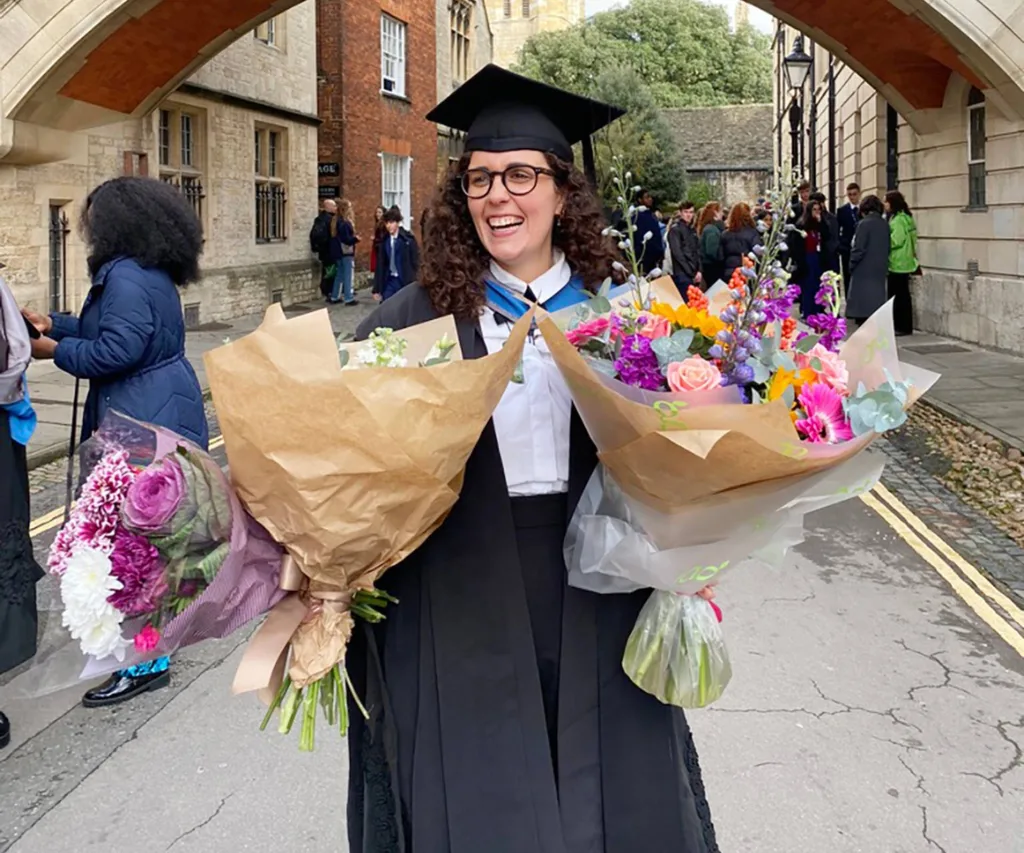 Isabella graduatingfrom Oxford in 2023.
Dedication to public health
“Bid has an incredible optimism and resilience, and continues to dedicate her life to the public health system,” shares Isabella.
After initially post-poning her Rhodes Scholar placement to donate her kidney, Isabella is now completing a PhD in climate change and health at the University of Oxford. She has travelled to Ghana for her Masters to research how kidney disease effects women there and she is also a qualified lawyer.
“I live a very full life,” Isabella grins.
“There are lots of things I want to do and I won’t let one kidney stop me.”
March is National Kidney Month and Kidney Health New Zealand is encouraging Kiwis to get their kidneys tested. Find out more at loveyourkidneys.co.nz
Related