
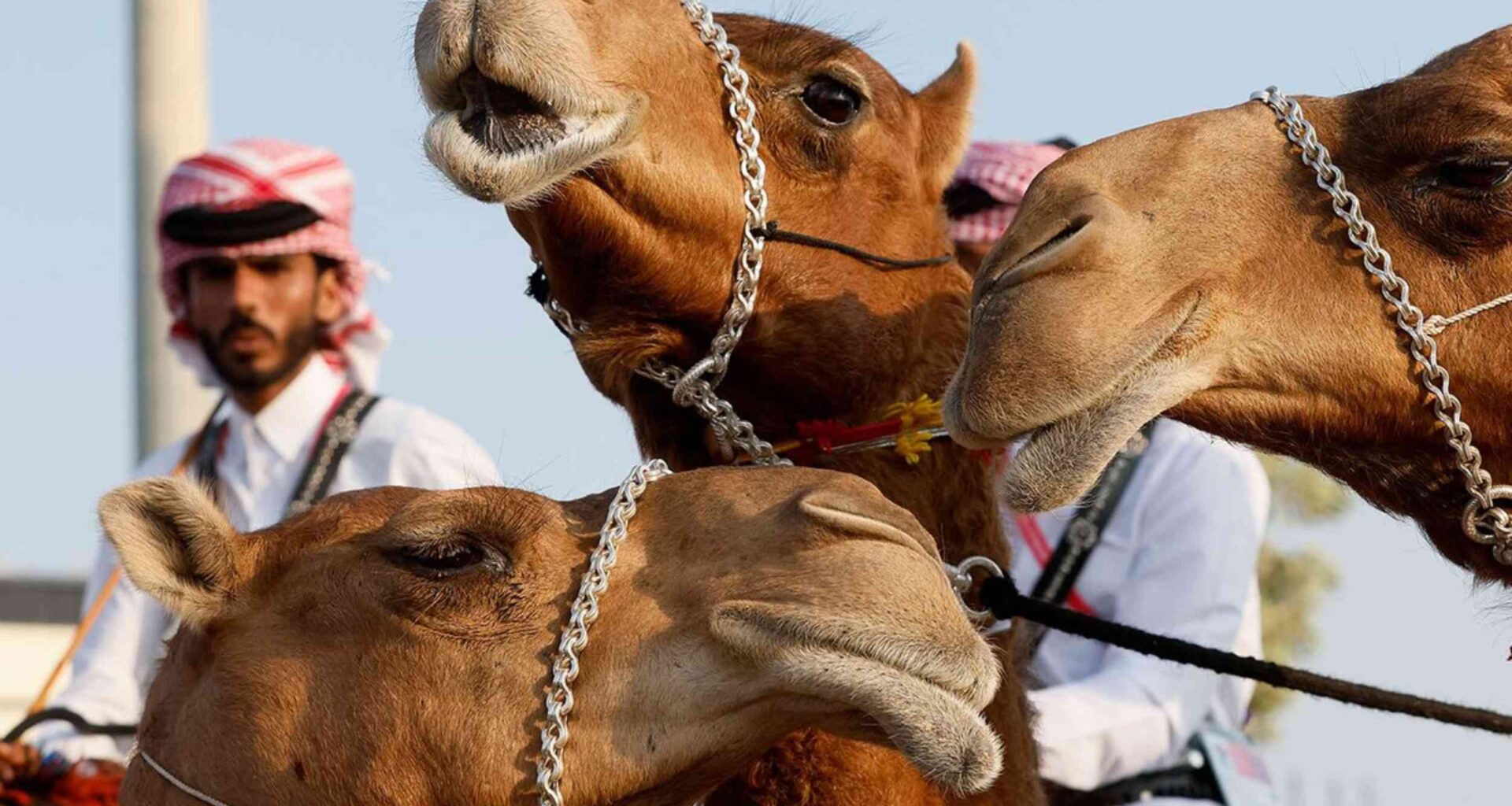
A farm worker in Somalia has provided the first confirmed sign that MERS, a dangerous respiratory disease caused by a coronavirus, was transmitted from camels to humans inside the country.
That single infection turned a long-suspected threat into hard evidence, demonstrating how easily this camel-linked virus can circulate without being clearly detected.
Evidence in Puntland

Across samples collected from 770 workers, one clue finally stood out in Puntland, northeastern Somalia.
Using those samples, Marian Warsame of the University of Gothenburg, known as GU, confirmed past infection in a worker from Qardo in Puntland.
Warsame and colleagues then ran follow-up tests, and every throat and nasal swab stayed negative for active virus.
That pattern pointed to past infection rather than a contagious case caught during the brief window of sampling.
Why one antibody matters
Months after a respiratory virus disappears, antibodies, proteins the immune system makes after infection, can still mark earlier exposure.
Because the positive sample also blocked the virus in follow-up tests, the signal was far stronger than a weak screen.
Eighteen local results first looked positive or borderline, yet only one held up after outside confirmation in Hong Kong.
That mismatch suggested the country needs more training and lab support before wider surveillance can produce dependable numbers.
Where exposure happens
Daily farm work placed the positive handler in close contact with camel milk, waste, birthing fluids, and crowded trading trips.
He milked camels, cleaned enclosures, helped during births, and treated animals, each task bringing fresh saliva or secretions within reach.
Irregular glove use, absent masks, and infrequent handwashing left easy openings for a virus that travels in droplets.
Regular consumption of raw camel milk and occasional raw liver added another path that health agencies already warn against.
How routines increase risk
Exposure was not limited to one man, because 77 percent of participants said they regularly consumed camel products.
Almost half used camel products as medicine, a custom that kept animal materials in homes and workplaces.
Only 33.4 percent reported any protective gear during animal work, and most of those relied on gloves alone.
Those habits did not prove cause, but they showed how routine work can blur into everyday infection risk.
A wider MERS map
Elsewhere, the same virus has repeatedly struck people who work around camels rather than the general public.
In Saudi Arabia, antibody surveys found camel shepherds were 15 times and slaughterhouse workers were 23 times more likely to test positive.
Most human cases have still come from the Arabian Peninsula, and the World Health Organization links many major hospital outbreaks.
Somalia matters because it showed the same pattern could surface in East Africa without any travel link abroad.
Why Africa stayed quiet
Africa has never looked free of MERS in camels, yet human cases have remained surprisingly hard to pin down.
In Kenya, researchers later found three symptom-free camel handlers with lab-confirmed infections during routine follow-up.
Mild infections can leave little trace in clinics, while short viral windows make swab testing easy to miss.
That helps explain why a country with millions of camels could carry risk for years before one worker surfaced.
Camels shape Somalia
Somalia’s camel population is about 7.5 million, which makes it more than a side note in this story.
Those herds feed markets, milk businesses, and export routes, which means contact is economic as well as cultural.
When a virus sits in an animal that important, routine work can spread exposure far beyond one remote farm.
That is why even a single confirmed spillover, an animal virus infecting a person, changes the map for doctors and livestock officials.
What clinics need
Somalia’s current respiratory surveillance was not built with camel herders and farm hands at its center.
Adding MERS to diagnostic algorithms, step-by-step rules for deciding which tests to run, would catch suspect cases faster.
Better training could also cut false positives, which is essential when new testing systems move from pilot work to routine use.
“These findings underscore the need to recognize MERS-CoV as a potential aetiological agent of respiratory disease within Africa,” the authors wrote.
MERS, camels, and human health
One infection did not mean Somalia was facing an outbreak, and the study found no spread inside the worker’s home.
No camels were sampled beside that worker, so the exact animal source and timing stayed out of reach.
Because the paper is a preprint, a study shared before formal review, outside scientists have not yet completed that review.
Even with those limits, the evidence cleared a basic threshold, Somalia now has a documented camel-to-human infection.
The study turned a long-suspected risk into a named event, linking farm labor, daily customs, and weak testing capacity in one chain.
Next steps are plain: test more exposed workers and camels, strengthen labs, and watch respiratory illness where camel contact is routine.
The study is published in medRxiv.
—–
Like what you read? Subscribe to our newsletter for engaging articles, exclusive content, and the latest updates.
Check us out on EarthSnap, a free app brought to you by Eric Ralls and Earth.com.
—–