
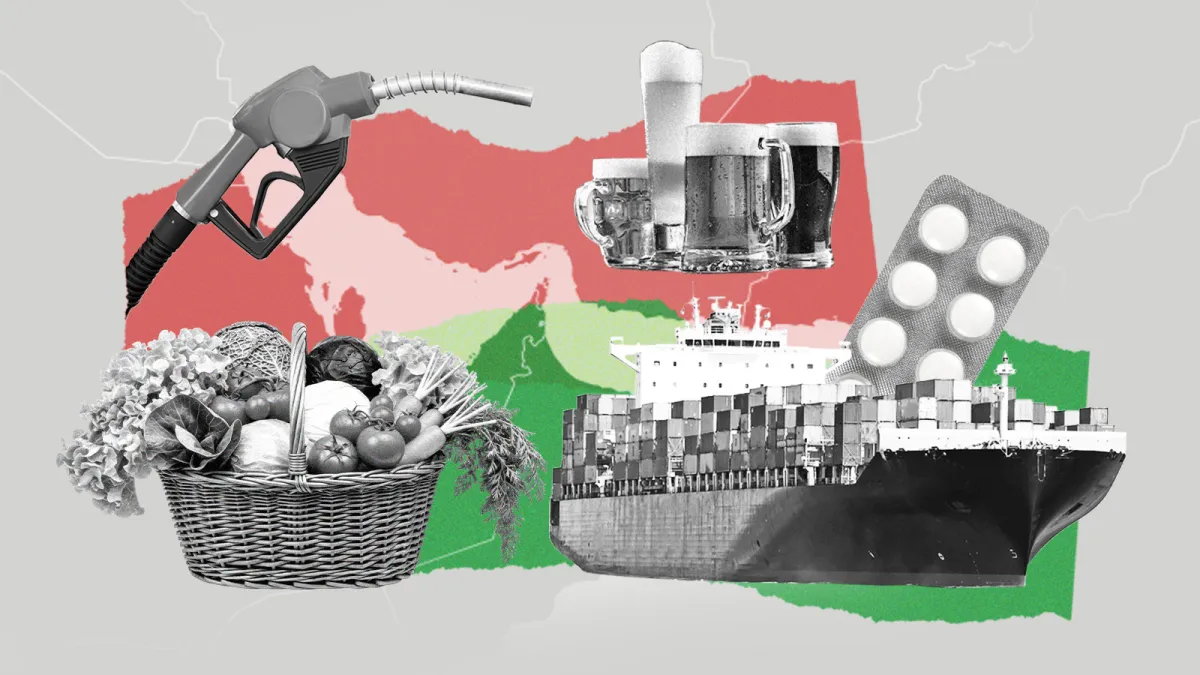
Iran’s greatest weapon is its grip on a maritime chokepoint through which essential raw materials transit, allowing it to hold the world’s economy to ransom.
The closure of the Strait of Hormuz threatens roughly a fifth of global oil supply and the liquefied natural gas trade. But it is not only the price at the petrol pump that will hit your pocket — the disruption to shipping may cause shortages of everything from food and beer to medicine and MRIs.
 Marine traffic on the Strait of Hormuz
Even if the strait reopened tomorrow, the damage to energy facilities from missile strikes will take years to repair. In the uncertainty over how the war will end, one thing is certain: the economic effects will stretch until the end of the decade.
Crude oil prices have been hovering around $100 a barrel for the past fortnight, up from $72 the day before the US and Israel launched strikes on Iran. Natural gas prices in Europe rose from €32 per megawatt hour to a high of €62.
As these price rises capture the headlines, another crisis waits in the background: the threat to energy-intensive manufacturing and specialised by-products from oil and gas processing — the backbone of modern economies.
Bottles, cans and essential limestone
Glass and aluminium manufacturing are some of the most energy-intensive processes in the world, and increasing gas prices translate into more expensive bottles and cans of drinks such as beer.
The Brewers Association of India, representing Heineken and Carlsberg, told Reuters that glass bottle prices had risen by about 20 per cent. Aluminium smelters and glass furnaces cannot be turned off if power is scarce or raw materials run out because their contents will solidify, rendering them unusable.

Another potential shortage with ripple effects is that of limestone. The United Arab Emirate is the world’s largest exporter of the material, accounting for half of seaborne trade.
Limestone is essential for processes such as allowing glass to melt at lower temperatures, the chemical purification of iron ore needed to produce steel, the production of blended cement needed for construction, preventing coal plants pumping toxic sulphur into the atmosphere and the removal of heavy metals from drinking water.
Blocking the movement of half of supplies will have ramifications across many sectors.
Medicines and the ‘mother of plastics’
Rising energy prices will affect the pharmaceutical industry, where energy accounts for as much as a quarter of the cost of manufacturing the raw ingredients of drugs. But the flow of crude oil by-products, such as the petrochemicals used to create nearly 90 per cent of those ingredients, is also affected by the strait’s closure.
India, known as the pharmacy of the world, is reliant on Qatar for about 40 per cent of the crude oil imports used to create such petrochemicals.
Generic medicines including antibiotics, blood pressure medication, paracetamol and diabetes drugs such as metformin are at the greatest potential risk. Drugs requiring refrigeration during transit, including most vaccines and cancer medications, typically flow through Dubai and Doha airports, so airspace closures compound the crisis.
 A projectile impact at Dubai airport earlier this month
Sulphur, a by-product of oil and gas processing, is used to produce sulphuric acid, a chemical solvent used to dissolve metals out of ore into a liquid solution.
Approximately 45 per cent of the world’s seaborne supply of sulphur originates in the Middle East and transits through the strait. Without the acid to leach metals we will run short of usable copper, lithium, nickel and cobalt, all used in the production of electric vehicle batteries.
Another product refined from crude oil is naphtha, often called the mother of plastics. It is primarily transported to Asia and used to create ethylene, propylene and benzene, which play a role in the manufacture of plastic bags, bottles, food containers, IV bags, synthetic fibres such as polyester and even medicines such as antidepressants and anti-epileptics.
Roughly two thirds of Asia’s naphtha requirements originate in the Gulf.
Even if the hostilities end and the Strait of Hormuz re-opens, damage to energy facilities will have a lasting impact. Iran’s strike on Qatar’s Ras Laffan plant wiped out 17 per cent of its LNG export capacity.
Saad al-Kaabi, the chief executive of QatarEnergy, told Reuters he expected the repairs to take two to five years. Two of the essential refrigeration components in the plant’s trains have been damaged. Their replacement takes two to three years in normal conditions, and even longer during a global supply chain crisis.
There is another product extracted during the production of liquified natural gas (LNG) that has no substitute: helium. Qatar accounts for a third of the world’s capacity, and 80 per cent of its output is made as a by-product of LNG at Ras Laffan.
Although we will be able to do without it in birthday balloons, helium is also used to cool machines critical to everyday life, such as those that etch semiconductor chips.
Factories in Taiwan and South Korea making the chips, which are needed to produce everything from smartphones to the servers powering our banking systems, are running on emergency reserves and restricting production to high-value products in anticipation of shortages.
Artificial intelligence also relies on helium to cool data centres and produce semiconductors. Without an alternative or a quick fix at Ras Laffan, helium supplies will dwindle for years, which is likely to slow the expansion of AI.
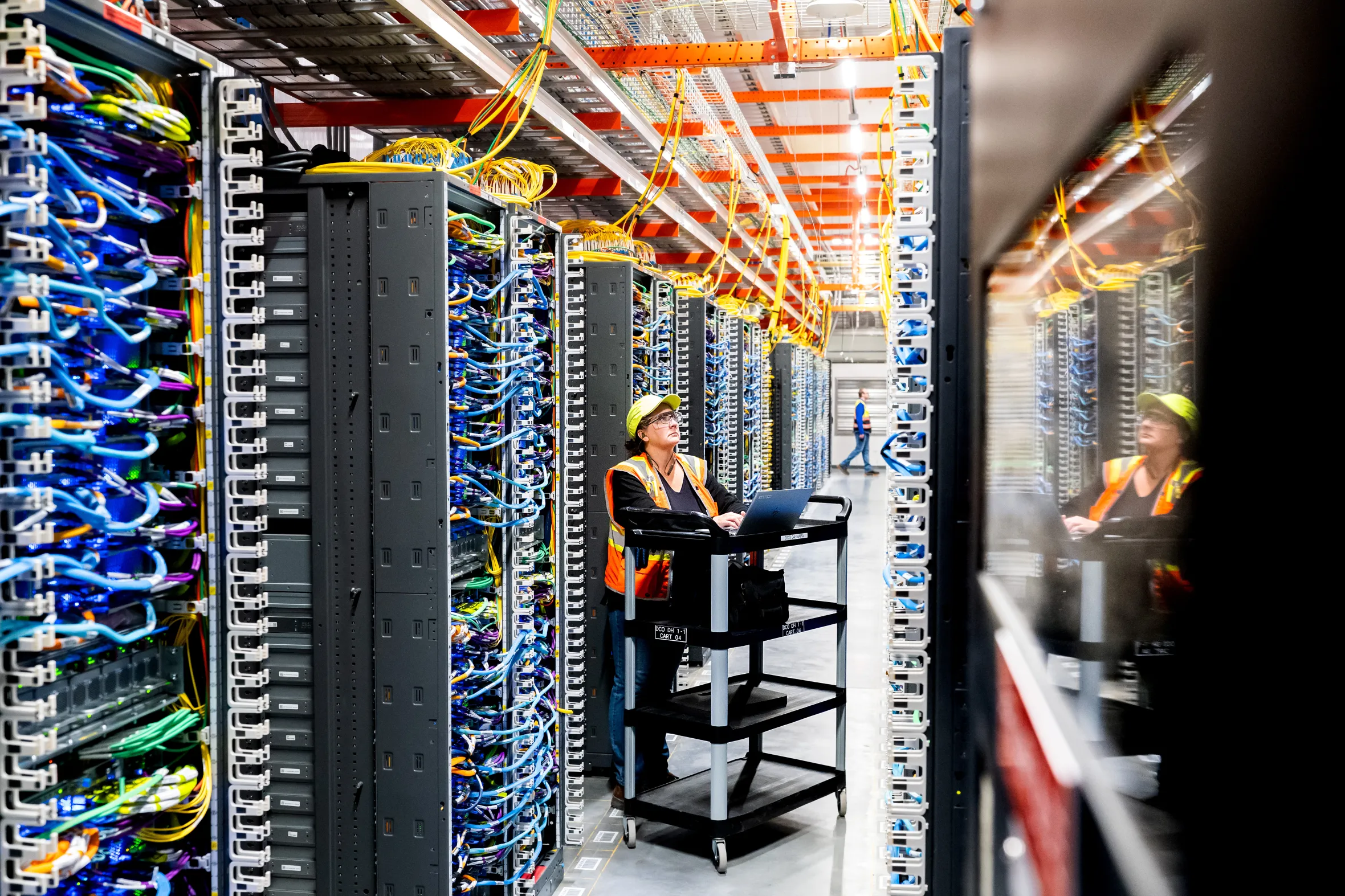 A technician at work inside an Amazon Web Services AI data centre in New Carlisle, Indiananoah berger/Amazon web services/Getty images
Helium is also essential in hospitals. MRI machines use liquid helium to ensure the magnets remain at the necessary temperature of minus 269C. Although many hospitals use recycling systems to stretch supplies, when helium runs out MRI scanners cannot operate.
The bulk of helium is sold under long-term contracts, meaning prices rise gradually — akin to a tsunami, according to Phil Kornbluth of Kornbluth Helium Consulting. “The tsunami is out there, we know it’s coming, but it’s still sunny on the beach,” he said.
Fertilisers and food security
There is another commodity marooned in the strait that may have even graver consequences, one that underpins roughly half of the world’s food supply.
Fertiliser components such as urea and ammonia are the “food for our food”, providing forms of nitrogen that allow plants to grow at an industrial scale. Without the development of the Haber-Bosch process, which turns atmospheric nitrogen into transportable fertilisers, it is estimated that one in two people would not be alive today.
The war has created a dual threat to food security. Gas accounts for at least 70 per cent of the cost of producing nitrogen fertilisers, meaning their prices rise in lockstep.
Almost half of traded urea and a third of ammonia originate in the Gulf, meaning shipping disruption is blocking fertiliser from reaching farmers just as sub-Saharan Africa heads into planting season.
The price of urea has risen 40 per cent since the war began. If the disruption to shipping continues until June, the World Food Programme estimates an additional 45 million people could be pushed into acute hunger by price rises.
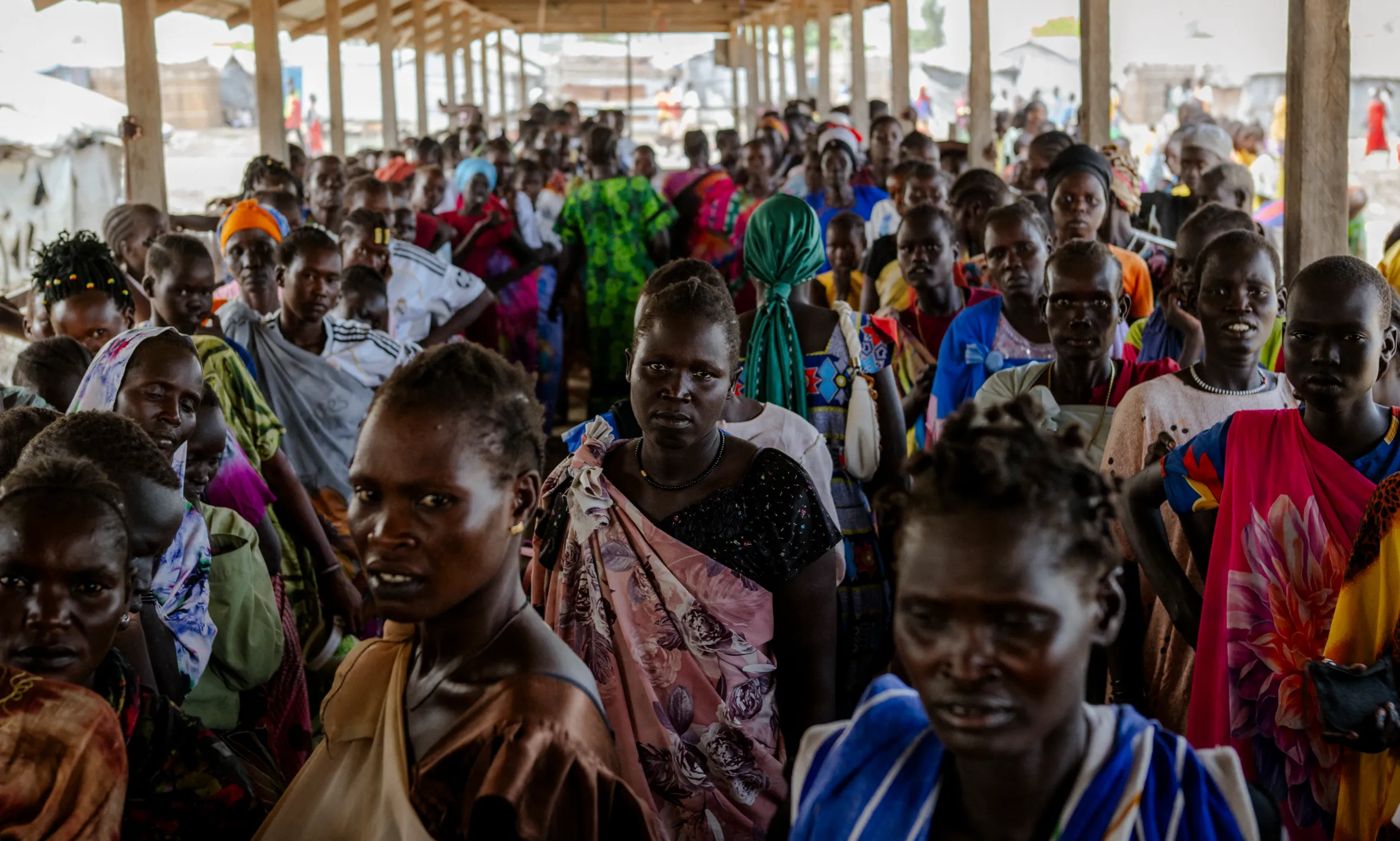 Inside a World Food Programme distribution shed at Bentiu camp for internally displaced people, in South Sudan last yearrian cope/AFP/getty images
Jean-Martin Bauer, director of food security and nutrition analysis at the programme, said. “This is a seminal moment in global supply chain history, with impacts on the economy, on food security and on humanitarian response. If the situation persists, these higher costs and shipping delays will have serious consequences for humanitarian programmes.”
Although developed countries will not be immune, those in the developing world will bear the brunt, having already been forced to absorb increasing prices of essential grains since Russia invaded Ukraine and USAID grants were cut.
Sudan, where famine stalks the citizens of El Fasher and Kadugli, is particularly dependent on fertilisers from the Gulf, where 54 per cent of its stocks originate.
When food prices increase past the 30 to 40 per cent threshold, political instability in fragile states usually happens within 6 to 18 months once food reserves run out, according to the International Institute for Environment and Development.
When Sri Lanka banned fertiliser imports overnight in April 2021, yields plummeted, forcing the government to reverse the policy seven months later. But the damage was done, and by July 2022 the combination of unaffordable fuel and food led to the storming of the presidential palace and the fall of the government.
Developing countries also face disruption to one of the most effective poverty-reducing interventions: remittances. Migrant workers, the majority from Asia and Africa, make up more than 70 per cent of the workforce in Gulf countries, attracted by the boom in construction, tourism and other labour-intensive industries.
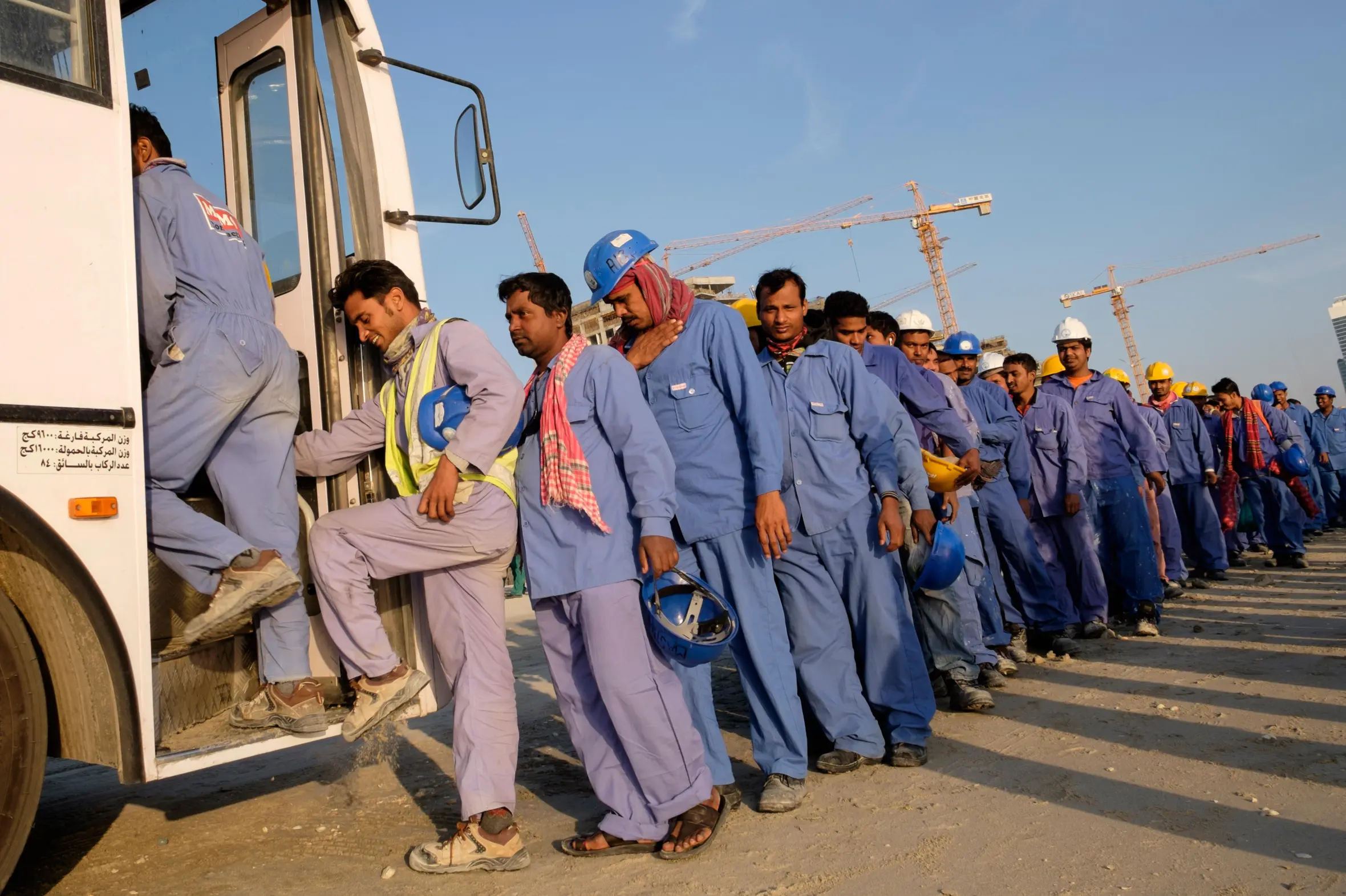 Construction workers queue for transport at the end of the working day in DubaiAlamy
The Gulf is the world’s second largest remittance-sending region after the US, generating an estimated $88 billion every year, equivalent to 17 per cent of global remittances.
Research by Capital Economics suggests that if the war continues for another few weeks, Gulf gross domestic product could fall by 1 to 2 per cent, translating to a drop in remittances of about 5 per cent. If it continues for more than three months, it could reduce Gulf GDP by 10 to 15 per cent, and remittances by 30 per cent.
The countries set to be most affected by any downturn in economic growth in the Gulf are Egypt, which receives 73 per cent of its remittances from the region, Pakistan on 62 per cent and India on 58 per cent.
The conflict has unmasked the world’s reliance on the Gulf and its maritime shipping routes.
The destruction of the specialised machinery that distils the world’s most critical but overlooked chemicals will ripple through the world’s economy long after the last missiles land.