
The search for better vaccines against dengue fever has taken a new direction due to the results of new research.
Scientists have found that dengue patients with milder illness carried stronger, virus-killing immune responses in skin than patients who were sick enough to need hospital care.

This finding pushes the search for better dengue vaccines toward the place where infection begins and where protection may be decided earliest.
Evidence under skin
Inside fluid-filled blisters raised on volunteers’ forearms in Singapore, the clearest signs of dengue’s immune fight appeared in skin rather than blood.
Working with matched samples from 73 patients, Laura Rivino at the University of Bristol found that the most active T-cell responses were concentrated at that surface site.
Those skin-based cells looked especially prominent during the phase of illness when the body’s defense was peaking, and they were strongest in people who avoided admission.
The pattern does not settle every reason that dengue turns severe, but it sharply narrows where the next answers are likely to emerge.
Skin matters in dengue vaccines
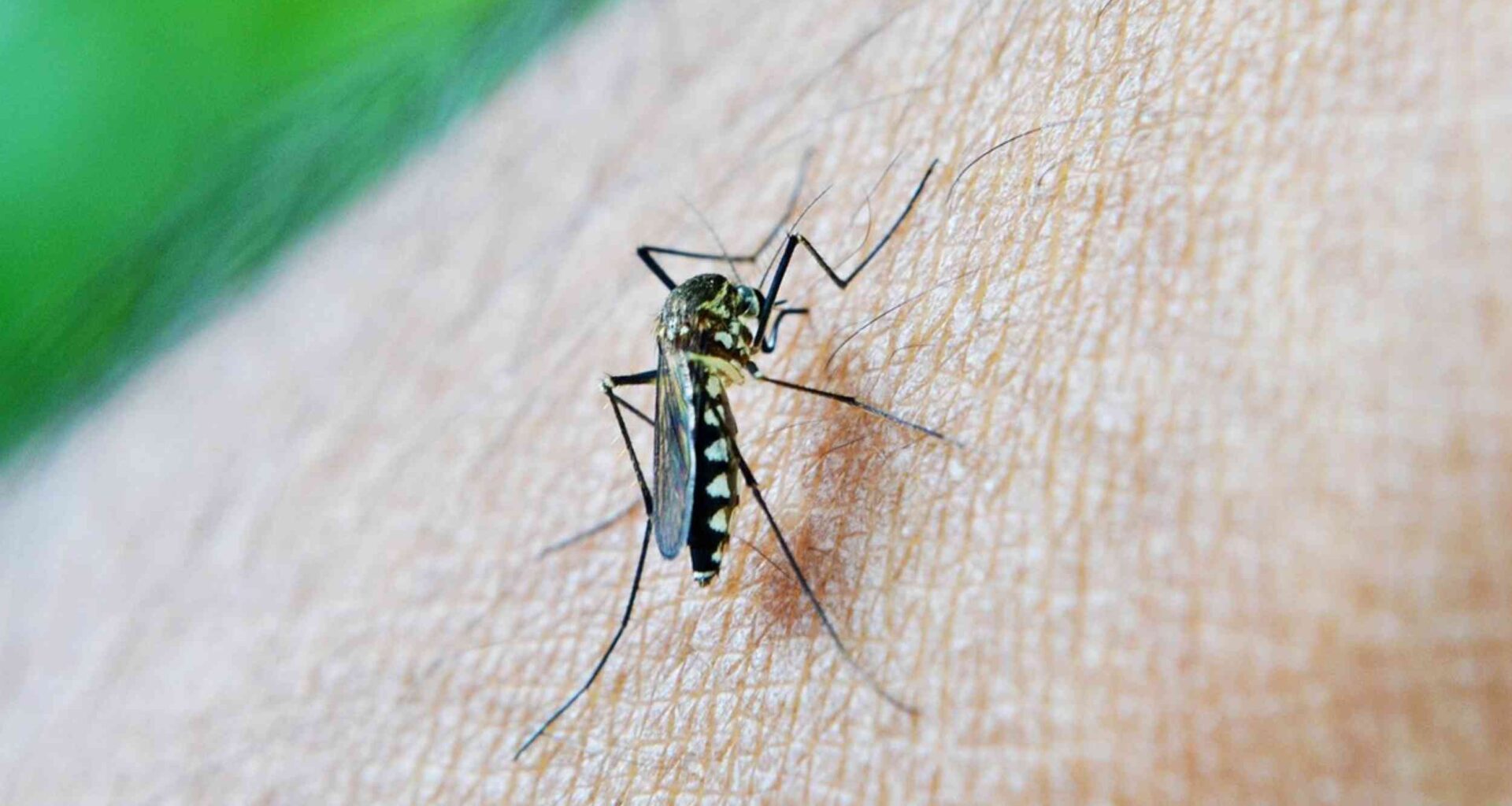
Dengue infection begins in the skin, not the bloodstream, when an infected mosquito deposits the virus during a bite.
Cells stationed there can react before infection spreads, and those local defenders include T-cells, white blood cells that recognize infected targets.
Blood tests have dominated dengue research for years, yet blood can miss the tissue fight that is already underway.
By moving the search to skin, the new work changed where scientists look for protection.
Cells that stay
Many of the activated cells in the skin looked ready to stay there within seven to ten days after fever began.
Immunologists call that group tissue-resident memory T-cells. These long-lived defenders stay in tissue instead of constantly recirculating.
Markers on those skin cells suggested they were settling in place while loading destructive proteins that help destroy infected cells.
If vaccines can build more of them at the bite site, protection against dengue might start faster during the next encounter.
Protection and severity
Protection showed up most clearly when clinicians compared people sent home with patients sick enough to need admission.
Those CD8+ T-cells – immune cells that kill infected cells – were more abundant in skin and blood among people sent home.
“As dengue spreads worldwide, there is an urgent need to identify the immune responses that protect against infection and severe disease,” said Dr. Rivino.
Her team’s comparison does not settle every cause of severe dengue, but it narrows one part of the mystery.
Signals in blisters
Blister fluid from people sent home also held more cytokines, chemical messages that help immune cells coordinate attacks.
Among them were signals strongly linked to T-cell growth, tissue memory, and local recruitment during illness.
Signal levels were highest in people sent home, lower in later-admitted patients, and even lower in those hospitalized earlier.
That gradient made the skin response look less like a side effect and more like useful protection.
Blood and skin link
Links between skin and blood appeared in the cells’ receptor patterns, not just in their sheer numbers.
Some shared clonotypes – T-cells with the same receptor pattern – appeared in skin and blood from two patients.
Researchers could not tell whether those matching groups moved between places or grew from a common starting pool.
Either possibility helps explain why blood tracked part of the skin response instead of telling a completely separate story.
Dengue vaccine problem today
One estimate puts dengue infections worldwide near 390 million a year, which keeps the vaccine challenge enormous.
Right now, the only World Health Organization-recommended vaccine for dengue is limited to use in children ages six through 16 in high-transmission settings.
“The findings could have significant implications for vaccination, and eliciting dengue-specific skin-resident CD8+ T-cells could improve vaccine effectiveness,” said Rivino.
Such a strategy points toward vaccines or delivery routes designed to build strong defenders exactly where mosquitoes deposit the dengue virus.
Earlier clue in dengue skin returns
That trail did not come out of nowhere, because earlier work had already hinted that dengue-fighting cells were skin-bound.
Back in 2015, Rivino’s group found a skin-targeting surface marker on dengue-specific blood T-cells.
The new work places those cells inside skin itself, where they appear active, abundant, and tied to milder illness.
It closes part of the gap between what blood hinted at years ago and what tissue now plainly shows.
Limits that matter
Some gaps still matter before vaccine makers bet heavily on skin-focused strategies for large public health programs.
The deepest gene and receptor sequencing came from only three patients, and the most precise tracking of virus-specific cells involved eight.
Researchers also could not separate cell movement from shared ancestry, and they did not compare protection across all four viral types.
Those limits keep the result promising rather than final, while making the next round of studies easy to define.
Where this leads
Dengue looked less like a disease explained by blood alone and more like one decided partly in skin.
A vaccine that reaches that tissue response will still need larger proof, but the target is finally clearer.
The study is published in Science Advances.
—–
Like what you read? Subscribe to our newsletter for engaging articles, exclusive content, and the latest updates.
Check us out on EarthSnap, a free app brought to you by Eric Ralls and Earth.com.
—–