

There’s nothing Kiwis love more than a good road trip.
Open highways, windy roads, herds of cows zipping past, and the occasional feeling of frustration when a slow car suddenly decides to speed up when you reach a passing lane (before slowing down again).
But it’s not always smooth cruising. A flat tyre or breakdown can quickly bring your holiday plans and good vibes to a sputtering halt.
AA said its roadside service responded to 474,000 calls for breakdown assistance in the last financial year.
“No matter where you are driving, you should always ensure your car is up to scratch,” AA Chief Mobility Officer Jonathan Sergel said.
Here are a few simple things to check before a road trip so you can get to where you’re going without issues (hopefully).
Check your tyres
AA said tyres were one of the “most obvious areas of neglect” during Warrant of Fitness inspections, as they can develop uneven wear or become completely worn within 12 months.
Before heading on a road trip, you should always check your tyre pressures – including the spare.
You should also check the tread, which should be over the minimum of 1.5 mm. This can be done at home with a 20c coin.
The bottom of the coin to the top of the “20” is about 2mm – if you can see the number, it’s probably time to get new tyres.
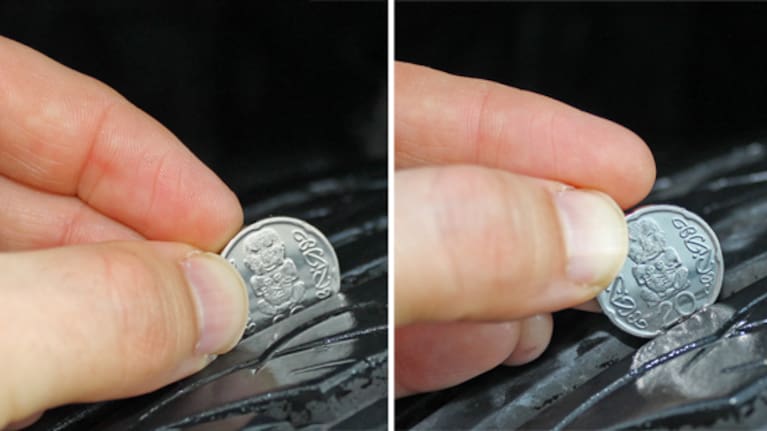
Roadtrippers should also check for any cuts, bulges, or uneven wear by running their hand around the circumference.
Sergel said tyre changes were one of AA’s most common calls for assistance.
Make sure you can see
Before heading off, clean every bit of glass on your car. This includes windows, mirrors and lights.
Make sure your window washer fluid is topped up, and fresh detergent has been added.
If you’ve got a crack on your windscreen, get it repaired so it doesn’t grow while you’re on the road.
Check your lights work, and give the lenses a clean.
Keep the cooling system… cool

According to AA figures from 2023, on average, the organisation’s roadside service attends 7500 callouts a year related to cooling system issues.
It said motorists should make sure their cooling systems operate as they should.
“If you have to regularly top it up, get it seen to before hitting the road. Things will only get worse if you don’t.”
Of the calls for assistance, AA said many could have been avoided if regular checks were conducted.
Basic service
Make sure your car has been properly and professionally serviced and is in good nick. This includes checking the engine’s oil levels and topping them up if required, as well as ensuring your battery is working.
“Ensure that you account for your travel distance, and if the distance you’re due to cover on your road trip will take you into your next service interval, arrange to have your vehicle serviced before you head off.”
Sergel said dead batteries made up 40% of AA’s weekly callouts.
It’s also recommended that you book your service well in advance, as most workshops are very busy during the holiday period.

While the cost of living is high, Sergel said AA wouldn’t recommend anyone put off servicing their vehicle because it’s too expensive.
“Minor problems can become major without intervention and with continued driving, ultimately creating a more costly repair bill.
“Frequent servicing can be cheaper in the long run, and also means safer and more reliable cars on our roads.”
Plan for the conditions
Outside the car itself, Sergel said drivers should plan ahead and check the conditions before embarking on a long road trip.
“Consider where you can stop to take breaks to ensure you feel relaxed and well-rested, as driver fatigue is a major concern during long stretches of driving.
“Keep the distractions minimal. That means putting your phone on ‘do not disturb’ and ideally having a passenger control the music, snacks and directions.”
He said it was also important that drivers stayed patient while on the road.
“Typically, road trips occur during long weekends or holiday season, which means congestion will be worse, plus more roadworks.
“Frustration and anger behind the wheel is not a good combo, so expect delays and enjoy the journey. We all want to get to our destinations safely, and a little patience can go a long way.”