

Transporting New Zealand chief executive Dom Kalasih
Photo: RNZ / Phil Pennington
There are fears procurers of transport services may begin to hit back at the increased cost of moving goods, Transporting New Zealand says.
Fuel prices have sky-rocketed in recent weeks, due to the ongoing conflict in the Middle East.
Transporting New Zealand chief executive Dom Kalasih said the financial viability of businesses are at risk, if costs can not be passed on.
“There’s a lot of worry, and that’s about whether procurers of transport services, their clients and customers, whether they will be fair, reasonable, and responsible in paying the additional costs,” he said
“These are unexpected costs and transport operators, at the end of the day, they’re just price takers, they can’t control the price of fuel.
“These prices are significant and ultimately, whilst Transporting New Zealand is very careful not to be seen as price-setting, the reality is those additional prices have to be passed on and someone’s got to pay for them.
“Transport operators cannot wear these price increases and the financial viability of their businesses is at risk if they cannot recoup these costs,” he said
Kalasih said transport regulations should be urgently amended to allow certain trucks to carry higher payloads as it could improve fuel efficiency across the freight task and reduce diesel cost pressures.
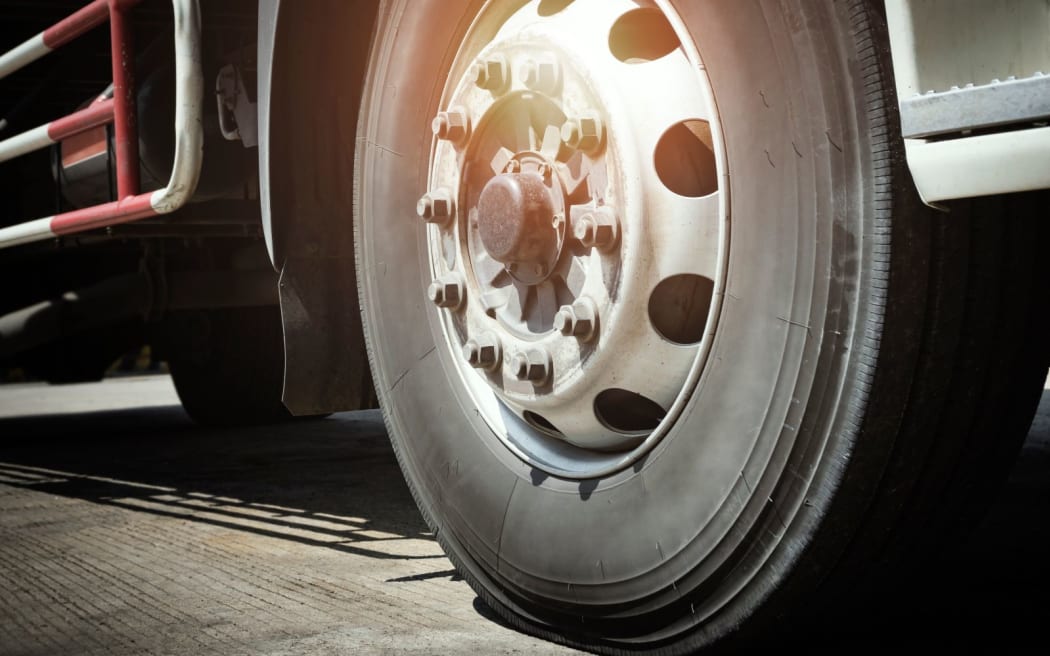
File photo.
Photo: siwakorn / 123RF
Heavy vehicle permitting regulations currently allow approved freight operators to run High Productivity Motor Vehicles (HPMVs) on state highways and local roads suitable for vehicles operating above the standard 44-tonne weight limit.
“I have written to New Zealand Transport Agency Waka Kotahi, asking the agency to consider how the heavy vehicle permitting regulations could be urgently amended to move more freight in fewer trips,” Kalasih said
“Increasing allowable payloads on 50MAX vehicles and other HPMVs could reduce the diesel required to move freight, while maintaining a safe and well-regulated system. That will put downward pressure on freight costs at a time when businesses and consumers are doing it really tough.”
“HPMVs are already delivering fuel savings compared to standard 44-tonne trucks. For example, 50MAX trucks increase freight capacity by approximately 20 percent while only increasing diesel use by 10 percent, with their additional axle ensuring no additional wear on roads per tonne of freight.”
“Improving freight efficiency also has benefits for safety and emissions, as fewer trips are required to move the same volume of goods.” he said.
On Sunday, fuel price tracking app Gaspy showed the average price for Unleaded 91 was $3.42.
Diesel is the same, while Unleaded 95 is $3.63.
The government has fleshed out its National Fuel Plan, outlining rationing measures that would be taken if supplies start running dry.
Resembling the Covid alert levels, the plan has four ‘phases’. New Zealand is at phase one.
Phase 2 would see homes, businesses and the public sector encouraged to conserve fuel.
The higher phases are still under consultation.
Phase 3 would see fuel prioritised for life-preserving services and phase 4 would see stricter intervention in fuel distribution.
Moving up or down levels is decided by a ministerial oversight group based on fuel stocks, restrictions and supply chain data.
Sign up for Ngā Pitopito Kōrero, a daily newsletter curated by our editors and delivered straight to your inbox every weekday.