
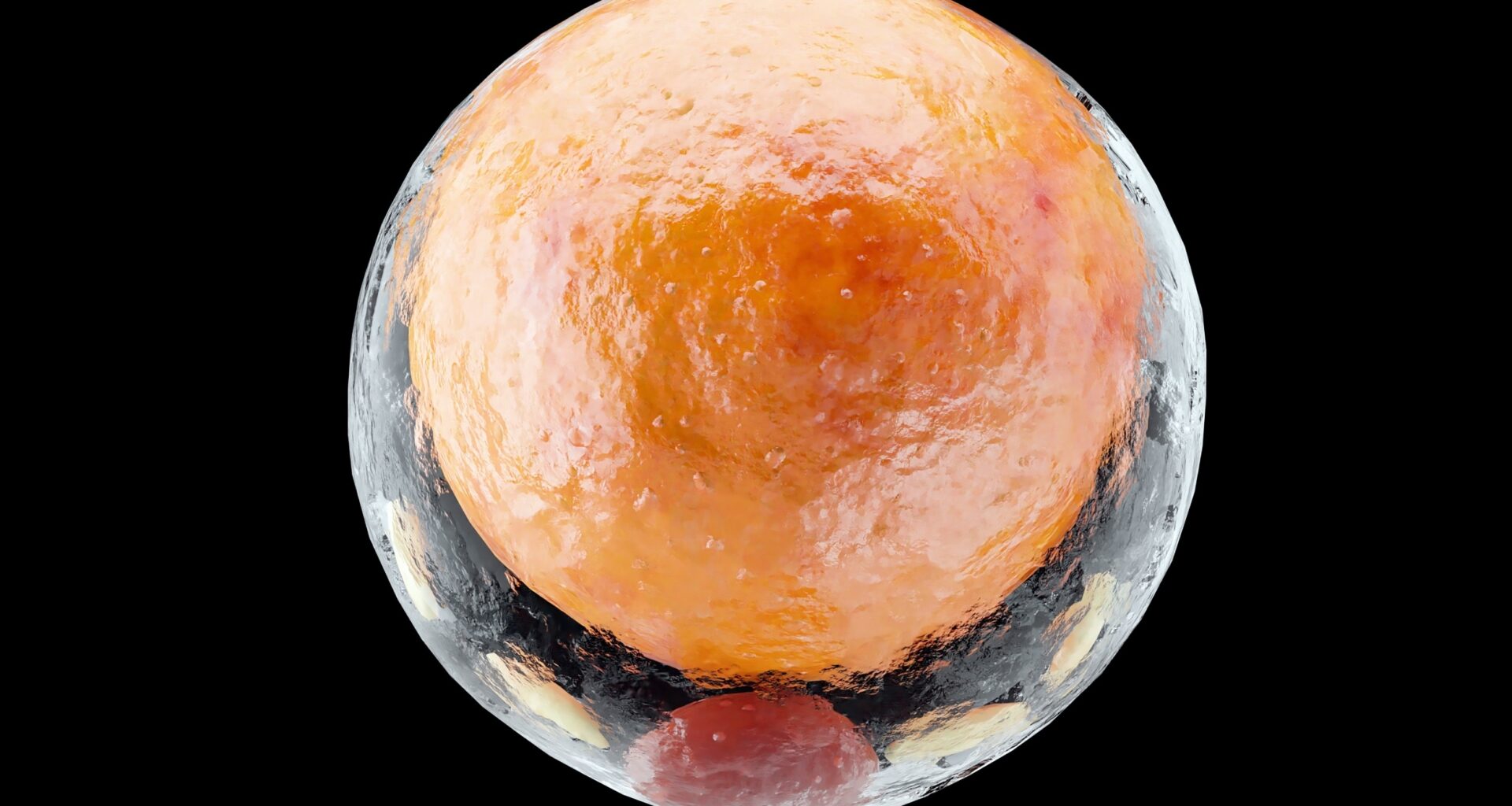
Can fat actually help you burn calories instead of storing them? Scientists are now exploring this idea more deeply, and a new study shows how the body may use brown fat to fight obesity in a smarter way.
Most fat in the body is white fat. Interestingly, white fat stores extra energy and can lead to weight gain.

Brown fat works in the opposite way. It burns energy to produce heat, especially when the body feels cold. This process helps maintain body temperature and supports overall metabolism.
Brown fat burns energy
“During thermogenesis, all of that chemical energy is dissipated as heat instead of being stored in the body as white fat,” said Farnaz Shamsi, assistant professor at NYU College of Dentistry and the study’s senior author.
“By rapidly taking up and using fuel sources from our bodies and the food that we eat, brown fat acts like a metabolic sink that draws in nutrients and prevents them from being stored.”
Brown fat also uses oxygen and nutrients at a high rate to keep this heat production going. This makes it very active compared to white fat.
Why brown fat needs strong support
Brown fat does not work alone. It depends on a network of nerves and blood vessels. Blood vessels bring oxygen and nutrients, while nerves send signals from the brain to activate heat production.
Cold exposure increases these networks. It helps brown fat grow and stay ready to respond when needed. Without this support, brown fat cannot function properly, even if it is present.
Researchers found that a protein called SLIT3 plays a key role in building this support system. The protein is released by early fat cells called adipocyte progenitors.
These cells do more than just form fat. They also help different parts of the tissue communicate with each other.
Once SLIT3 is produced, another protein called BMP1 cuts it into two parts. Each part has a different function. One part helps form blood vessels. The other helps grow nerve connections.
“It works as a split-signal, which is an elegant evolutionary design in which two components of a single factor independently regulate distinct processes that must be tightly coordinated in space and time,” noted Shamsi.
How this controls heat production
This split system allows brown fat to build both blood vessels and nerves at the same time. This coordination is important because both are needed for proper heat production.
One part of SLIT3 helps increase capillary density, which improves blood flow. The other part connects with a receptor called PLXNA1 to guide nerve growth. These nerves release signals that activate brown fat and trigger thermogenesis.
Scientists also found that when SLIT3 is missing, brown fat cannot function well. In experiments with mice, the animals could not maintain body temperature in cold conditions. Their brown fat showed fewer blood vessels and weaker nerve networks.
What happens when the system fails
The study showed that the problem is not with the fat cells themselves. Brown fat cells can still respond to signals. The issue lies in the missing support system.
Without SLIT3, the structure around brown fat breaks down. Blood flow reduces, nerve signals weaken, and heat production drops. This leads to lower energy use and poor temperature control.
This finding changes how scientists understand brown fat. It is not just about the cells. The surrounding environment plays an equally important role.
What this means for human health
Researchers studied fat samples from large groups of people and found that SLIT3 is linked to better metabolic health. Higher SLIT3 levels are connected to lower inflammation and better insulin response.
In human studies, SLIT3 levels also showed links with markers like blood sugar and helpful hormones that support metabolism. This suggests that the same system may work in people as well.
“That really got our attention, as it suggests that this pathway could be relevant in human obesity and metabolic health,” said Shamsi.
New way to treat obesity
Most current treatments focus on reducing appetite. Drugs like GLP 1 help people eat less. This new research offers a different approach. It focuses on increasing how much energy the body burns.
By improving the SLIT3 system, scientists may help brown fat build better networks. This could increase calorie burning without changing how much food a person eats.
“Our research shows that just having brown fat isn’t enough – you need the right infrastructure within the tissue for heat production,” said Shamsi.
This discovery opens a new path for treating obesity. Instead of only limiting calories, future treatments may help the body use energy more efficiently by strengthening the systems that power brown fat.
The study is published in the journal Nature Communications.
—–
Like what you read? Subscribe to our newsletter for engaging articles, exclusive content, and the latest updates.
Check us out on EarthSnap, a free app brought to you by Eric Ralls and Earth.com.
—–