
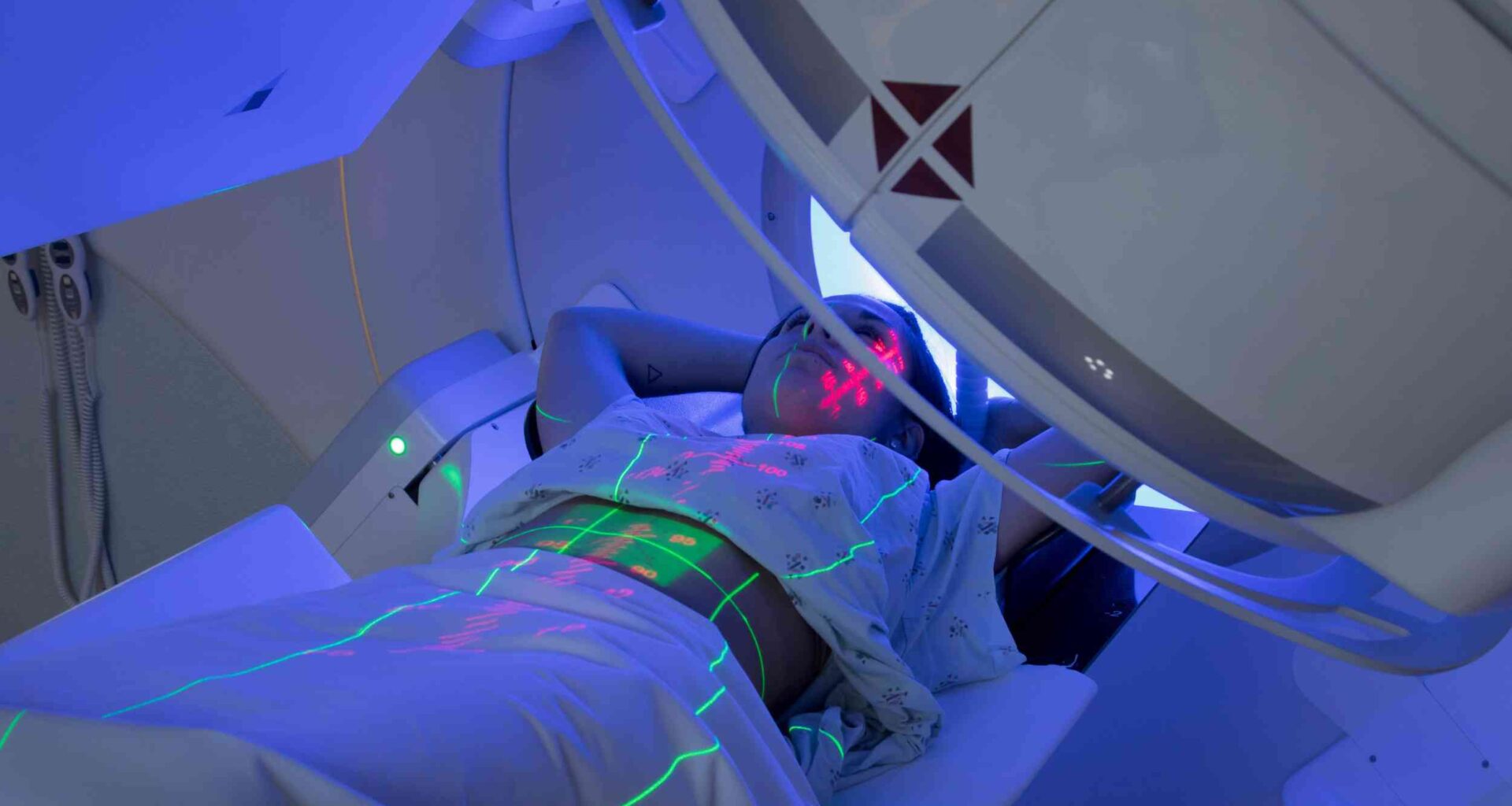
Researchers have found that a group of immune cells can suppress the body’s cancer-fighting response after radiation therapy.
By weakening the immune attack that should follow treatment, these cells help explain why many cancers resist or return after radiation.
What cancer tumors revealed

Within irradiated tumors, the immune response faltered even as radiation inflicted damage that should have intensified the attack on cancer cells.
Working within these tumor sites, Yuzhu Hou and colleagues at Xi’an Jiaotong University (XJTU) showed that these immune cells gathered at the treatment location and actively dampened the local immune response.
Instead of supporting tumor clearance, these cells interfered with the activation of immune mechanisms that normally eliminate damaged cancer cells after radiation.
That interference defines a critical constraint on radiation therapy, revealing that immune suppression can emerge from within the very response meant to destroy the tumor.
Why these cells matter
The culprits were monocytes, a type of immune cell that circulates in the blood and can change roles after tissue injury.
Many of these cells carried CXCR5, a surface signal that helps them move toward specific chemical cues in nearby tissue.
After radiation, tumor cells produced more CXCL13, the matching signal that attracted these monocytes into the tumor.
By drawing in these misdirected helpers, the tumor gained immune support that appeared beneficial but ultimately worked against recovery.
Signals before treatment
Before radiation began, tumors were already shaping how these immune cells would behave once treatment damaged nearby tissue.
Cancer cells released signals that both fed the tumor and primed these immune cells to respond in a harmful way later.
That setup mattered because it made the cells more likely to move into the tumor once radiation triggered new signals.
Resistance therefore started early, with the tumor preparing the conditions that would weaken the immune response after treatment.
How T cells stalled
After entering the tumor, these immune cells failed to attack cancer during the early phase when the response should have been strongest.
Instead, they interfered with the body’s main cancer-fighting cells, which normally recognize and destroy damaged tumor cells.
Part of that interference worked by slowing those cells down and reducing their ability to act.
When that slowdown happened after radiation, surviving cancer cells faced less pressure at a critical moment.
Another harmful turn
Radiation also changed how these immune cells behaved after settling into the damaged tumor tissue.
The treatment pushed them into a quieter, more protective state rather than an aggressive, cancer-fighting one.
In that role, they acted more like support cells that help tissue recover, even when that benefits the tumor.
That second shift mattered because the suppression continued even after the cells had already reached the tumor.
Strategies to improve radiotherapy
When researchers blocked the signals that guide these immune cells in mice, radiation was able to control tumors more effectively.
One of these signals involved CXCR5 and CXCL13, which work together to draw these immune cells into tumors.
With fewer suppressive cells present, the body’s cancer-fighting cells gathered in greater numbers and strengthened their attack.
“These findings suggest potential strategies for blocking the CXCR5/CXCL13 axis to improve radiotherapy efficacy,” wrote Hou.
Clues from real cases
Evidence from patients pointed in a similar direction after radiation therapy in real-world settings.
After treatment, patients showed higher levels of these immune cells moving through the body.
Blood samples also revealed more of these cells in people whose cancer continued to progress.
Those results do not prove cause in patients, but they bring the findings closer to real-world cancer care.
The mixed role of radiation
Radiation remains essential, and the International Atomic Energy Agency estimates that 50 to 70 percent of people with cancer need it during care.
Earlier reviews had already shown that radiation can expose tumor material and attract immune cells that teach T cells what to attack.
This paper adds the missing bad news, the same treatment can recruit suppressive cells at the very same site.
That tension helps explain why a tumor can shrink fast, then stop responding before immunity finishes the job.
Future research directions
The clearest clinical lesson is not to abandon radiation, but to pair it more carefully with immune-guiding drugs.
Blocking CXCR5 or its chemical partner could keep suppressive monocytes from arriving exactly when radiation starts exposing cancer cells.
Pairing that approach with certain immune therapies might work especially well because it could both limit these suppressive cells and release the brakes on the immune response.
Dose, timing, and tumor type all play a role, as immune responses can shift rapidly after each round of treatment.
This work recasts radioresistance as more than a problem inside cancer cells, because surrounding immune cells can decide whether damage becomes control.
Human trials now need to test whether stopping CXCR5-positive monocytes at the right moment can turn more temporary responses into lasting ones.
The study is published in the journal Nature Communications.
—–
Like what you read? Subscribe to our newsletter for engaging articles, exclusive content, and the latest updates.
Check us out on EarthSnap, a free app brought to you by Eric Ralls and Earth.com.
—–