
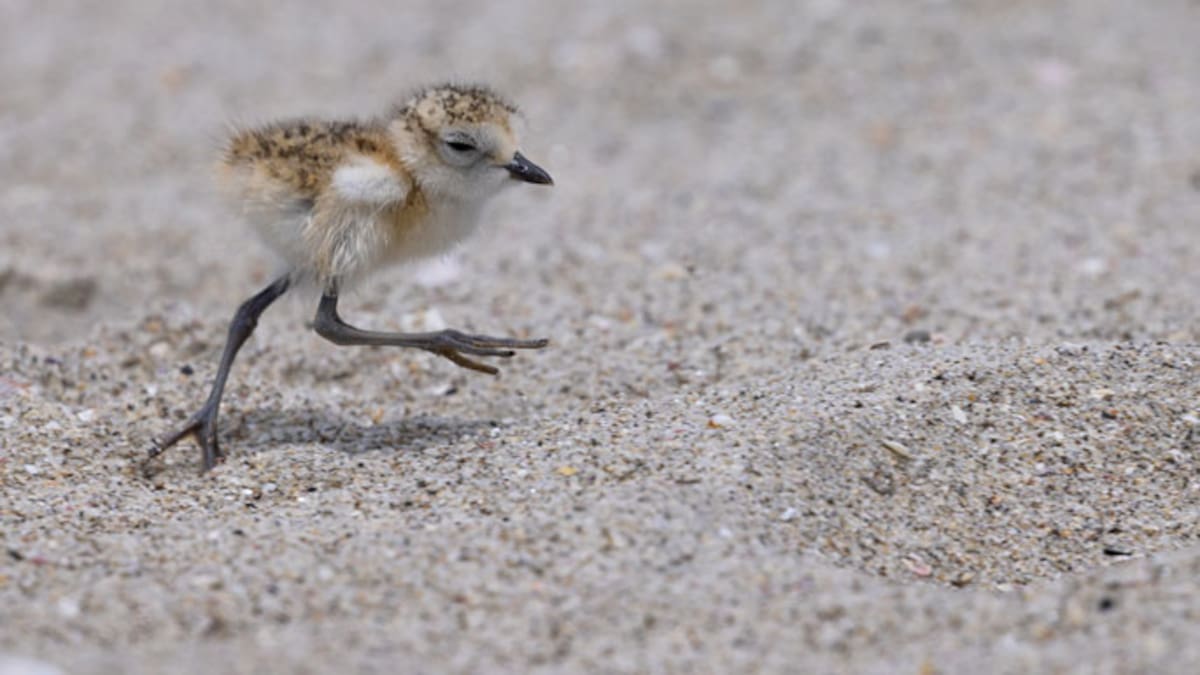
“We also have a number of migratory bird species that need space to feed and rest.”
Haultain said getting too close to wildlife was a common problem.
DoC advised that roped-off or signposted areas could be nesting grounds for critically endangered species such as dotterels or black gulls.
“You need to avoid these places to protect our species. Keep your dog away as well,” she said.
Department of Conservation senior biodiversity ranger Sam Haultain. Photo / Supplied
DoC noted not all nesting spots were marked, so it was important for people to stay alert while walking on dunes or riverbeds and avoid any birds they saw.
Animals did not always move away when stressed, so giving wildlife space – on land and in the water – was essential.
Haultain said DoC understood people wanted to be out in nature. “But enjoying nature in the right way will ensure our native species have the opportunity to thrive.”
Black-billed gulls are endemic to New Zealand and in rapid decline, DoC says. Photo / Supplied
Seals were another species that could be found out and about, often turning up in unexpected places.
“We’re starting to see more seals recolonising mainland areas – remember to give them space and enjoy being able to see them,” she said.
In September, DoC’s Whakatāne team were called to a seal pup that had parked itself in the sunshine outside the Ōhope Surf Club during the school holiday.
Seal pup at the Mauao Base track. Photo / George Novak
Haultain said the pup was fine and DoC took a hands-off approach, speaking to a few people, checking on him occasionally, and posting educational signs.
DoC recommended keeping at least 20m – the length of two buses – away from seals and sea lions.
“If you are too close, they may panic and stampede, hurting themselves in the process. “Some may become aggressive, especially if you are blocking their escape route to the sea or near their babies.”
DoC said seals could move as quickly as people and, although they “look cute”, they had a nasty bite.
“Their resting time on land is important, so try not to disturb them.”
If marine animals such as dolphins or whales were spotted in the water, DoC advised giving them space and staying back.
Orca filmed close to the Mount Maunganui shoreline. Photo / Media Masters
Haultain said the Eastern Bay of Plenty was fortunate to have a thriving weka population. “However, not everyone is happy to have them in their backyards.”
She suggested reducing the attractiveness of backyards to weka by feeding pets outdoors, fencing vegetable gardens and covering compost areas.
A North Island weka. Photo / DoC
While people were out camping, boating or relaxing in the sun this summer, Haultain said it was important to keep native species in mind.
She said wandering dogs could cause significant harm to birds and other animals, as could cats.
DoC said birds became stressed when chased by dogs, and a panicked seal could trigger a chain reaction in a breeding colony, where pups were at risk of being crushed by adult seals rushing to the sea for safety.
Haultain said most beaches and public conservation areas had rules on dogs – whether they were allowed, needed to be on a lead, or otherwise.
“Similarly, respecting beach rules around vehicle use will reduce risk to some of our well-camouflaged ground-nesting birds.”
DoC ranger Sam Haultain says giving wildlife space – on land and in the water – is essential. Photo / Supplied
To help keep wildlife safe, she advised checking the rules on the DoC or council website before visiting.
“It takes all of us to protect the nature that makes New Zealand special.”
Anyone who comes across injured or endangered animals is encouraged to report the situation to DoC by calling 0800 DOC HOT (0800 362 468).
For sightings of three or more sick, injured or dead animals, the Ministry for Primary Industries hotline is 0800 80 99 66.
Ayla Yeoman is a journalist based in Tauranga. She holds a Bachelor of Arts degree majoring in communications and politics & international relations from the University of Auckland, and has been a journalist since 2022.