
However, the other brother (referred to as TP1) was registered as the father on the birth certificate and wanted to retain his legal status as the father.
A previous family court judge had refused to remove TP1’s name from the document.
Judge McFarlane said the original ruling was appropriate as you couldn’t declare he wasn’t the father.
That ruling stated: “The failure to prove a fact means that that fact is not proved, it does not mean that the contrary is proved”.
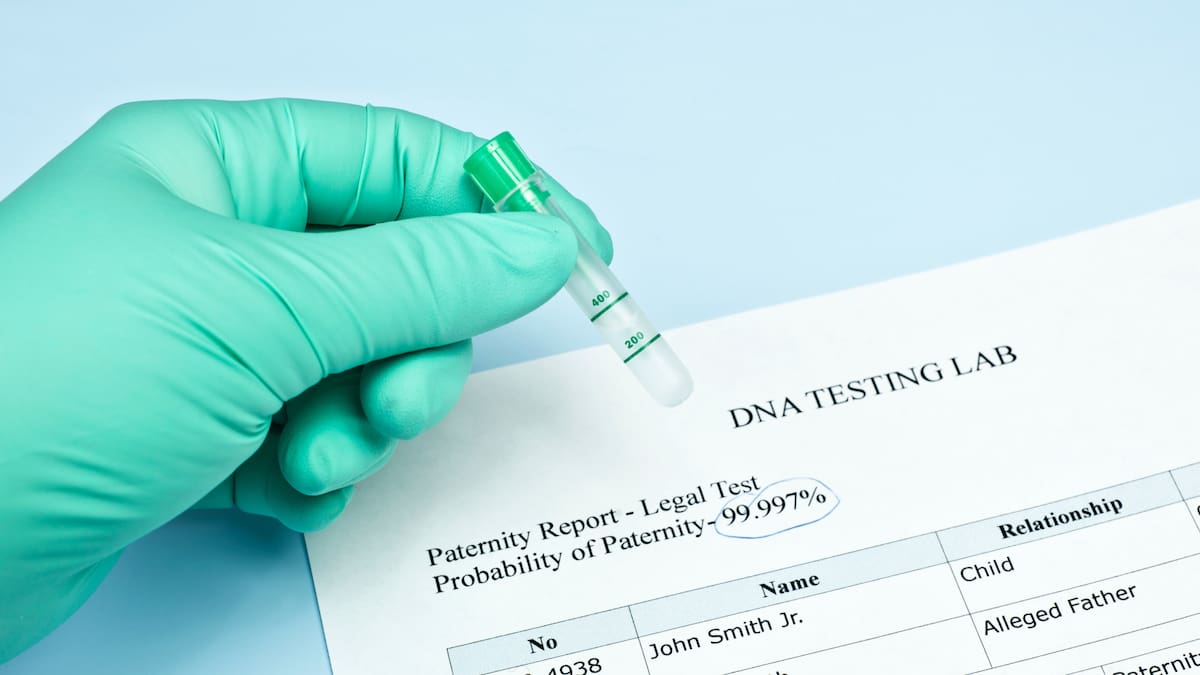
The court said more arguments would have to be heard to establish parental responsibility. Photo / 123rf
While the court decided to keep TP1 on the birth certificate, they decided “any parental responsibility” he acquired from registering as the father would “cease from the date of this court’s order”.
TP1 now remains as the “father” in the birth register entry, but the question of future parental responsibility is a separate issue, said the judgment.
A court in Brazil faced a similar case, when it was impossible to establish paternity after identical twins refused to say which one of them had impregnated the woman, reported the BBC.
The judge said the brothers impersonated each other, to date as many women as possible – then protect themselves from cheating allegations.
In this case, both men had their names added to the birth certificate and both had to pay child support.
Judge McFarlane said science may change in the future but for now they cannot claim with certainty who is the father.
“It is possible, indeed likely, that by the time P reaches maturity it may be possible for science to identify one father and exclude the other twin.
“But, for the coming time that cannot be done without very significant cost, and so her ‘truth’ is binary and not a single man.”