
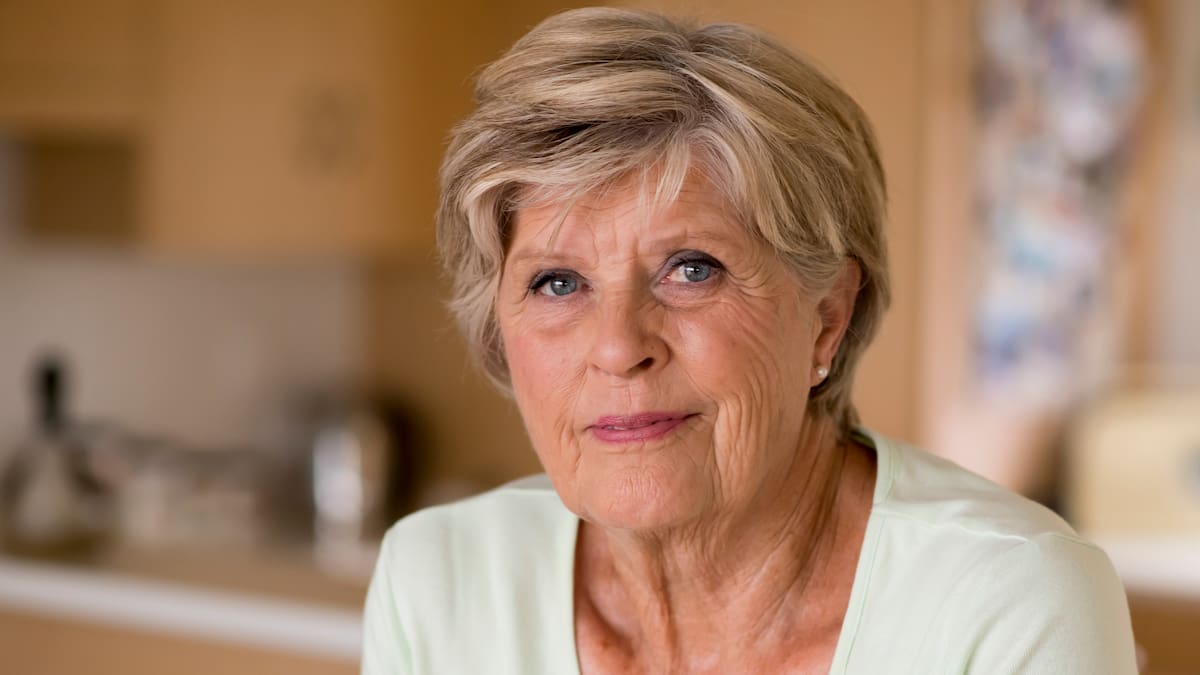
According to the World Health Organisation, around 11.8% of older people experience loneliness, and an Age Concern study found that 59% of New Zealanders aged 65 and over had recently felt lonely or socially isolated.
As the WHO notes, a large body of research shows that social isolation and loneliness have a serious impact on health, quality of life, and longevity. Managing this risk is often a chief concern for, in particular, adult children with ageing parents.
With 20 years in retirement village management, I have seen just about every scenario play out – and I can say with certainty that a reliable antidote to loneliness is community.
Here are the top five lessons I can impart to families tackling these conversations and decisions:
1. Why staying home can mean staying isolated
Timed right and for those who can afford it, moving into a lifestyle or retirement village can have a profoundly positive impact, while making the move too late or deciding to remain in the family home can cause financial, physical, and emotional strain.
The family home can feel like the safe choice.
However, it can be a place where the phone doesn’t ring as often, the neighbours don’t stop by, and the day can pass without a real conversation.
Staying socially connected from a suburban home requires constant effort and planning, and often a car.
As mobility reduces, friends move away or pass on, driving becomes difficult, an older person’s social world can quietly but rapidly contract.
Research has also shown that lacking social connection is equivalent to smoking up to 15 cigarettes a day in terms of health risks, and that lonely people aged 60 to 79 are three times more likely to develop dementia than those who are not lonely.
2. Run the real numbers on staying put
Most families underestimate the true weekly cost of staying in a private home during retirement, including council rates, power, water, home and contents insurance, maintenance, garden and lawn care, and the social memberships (such as pool, gym, bowling, social clubs) that keep someone connected. The gap between those outgoings and a village fee is usually much smaller than assumed.
When all the costs are totted up, the weekly amount associated with private living often equals or exceeds the weekly fee of village living, which combines all these expenses.
People should familiarise themselves with what it will cost upfront and then week to week, what they will get for this expenditure, and what it means for their quality of life, if retirement village living is an option they are considering.
Making the decision to move sooner rather than later pays dividends to the ones moving and to their family.
The property market still matters, but by your 70s and 80s, the assets that most determine quality of life are time, health, mobility, connection, and a sense of certainty about each day.
The World Health Organisation reports that 11.8% of older adults experience loneliness. Photo / 123RF
3. Community built in, not bolted on
I’ve seen socially inclined new residents step into village life with absolute ease and grace, and even those who have traditionally kept their own company by tinkering in their shed flourish with new-found friends with shared interests.
Most villages have on-site tool sheds and workshops for those who want to maintain their love of building and fixing things.
This is where retirement villages offer something genuinely different, and it’s something that’s hard to put a dollar figure on.
The social infrastructure isn’t an add-on or an optional extra; it’s the architecture of the place itself. Friends are within walking distance, and villages tend to have well-manicured gardens with beautiful places to gather and sit.
Shared activities, interest groups, and casual daily interaction happen as a matter of course.
You don’t have to organise it, drive to it, or talk yourself into it – it is simply there.
Social interaction provides a sense of belonging, reduces the risk of depression, and enhances overall quality of life, and proper companionship contributes to cognitive stimulation, promoting a healthier and more fulfilling ageing experience.
Retirement villages are designed with built-in social interaction. Photo / 123RF
4. Moving while the choice is yours
I’ve seen this play out many times. People who move to a village while they’re still active and well tend to build strong social roots quickly.
They join things. They become the person others turn to. Those who wait until a health event or family pressure forces the move often arrive feeling destabilised, and it takes longer to find their footing.
The best transitions are the ones where the person has made the decision themselves while they still have full agency over the process.
Moving under pressure, or at crisis point, is a very different experience and places avoidable stress on those moving and their family and friends.
Staying in the family home can quietly lead to shrinking social circles as mobility declines and routines change. Photo / 123RF
5. Security and predictability have their own economic value
None of this means retirement village life is right for everyone, or that the financial considerations are not important.
January 2026 saw the introduction of new rules that made building a granny flat easier for property owners, and for some families, living on the same property is the right choice.
For others, retirement villages offer peace of mind because of their emergency call systems, on-site staff, well-maintained environments, reduced accident risk, and easier transition to care if needed.
These factors can reduce stress and mean decisions are more likely to be made calmly and in advance rather than in crisis mode.
It makes life easier and more predictable not just for the resident but for their close family members, who in some instances will be key decision-makers either by informal family accord or under a formal enduring power-of-attorney agreement.
Whichever way people manage their retirement years, the conversations to get there are not easy but are necessary, so that change is a choice and not forced from a crisis point.
On top of the financial considerations, proximity to family and friends, health, and mobility are at the core of these conversations.
Catch up on the debates that dominated the week by signing up to our Opinion newsletter – a weekly round-up of our best commentary.