
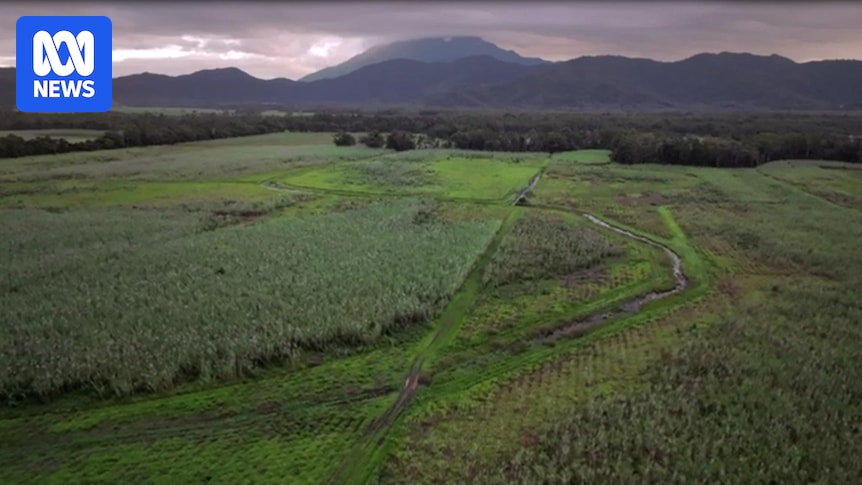
The demise of the northernmost outpost of Queensland’s sugar industry could pave the way for farmland to be turned back into tropical rainforest, right near the ancient Daintree.
Conservation group Rainforest Rescue this week secured partial approval to plant rainforest species on old sugar cane properties surrounding a nationally significant wetland.
It proposed using locally propagated seed to replant rainforest on about 405 hectares of land over 15 years, which Rainforest Rescue CEO Branden Barber described as the largest ecological restoration project in the history of the Douglas Shire.
While the council only approved the rainforest plantation on fragmented parts of the land, Mr Barber said the idea was still viable.
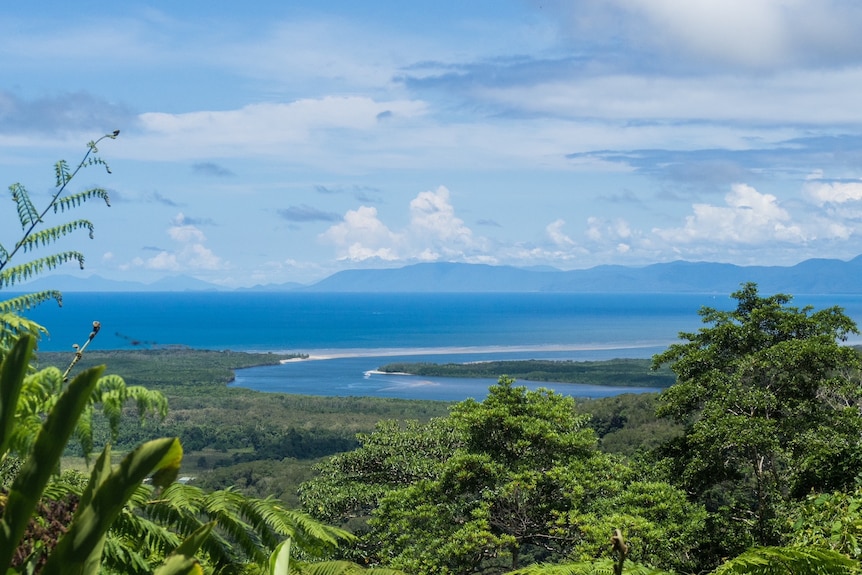
The Daintree River snakes through rainforest to the Great Barrier Reef. (ABC Far North: Christopher Testa)
“It’s the ecological heart of the project,” he said.
“We can acquire those lots, begin restoration and demonstrate outcomes on the ground and that matters for everything that follows.”
End of an era
The Daintree River valley is home to what remains of the world’s oldest surviving rainforest, which dates back about 135 million years.
But for the past century, sugar cane has been the economic lifeblood of the region south of the river.
That ended abruptly after the Mossman Central Mill closed in 2024, and a deal to truck cane to another mill south of Cairns collapsed late last year.
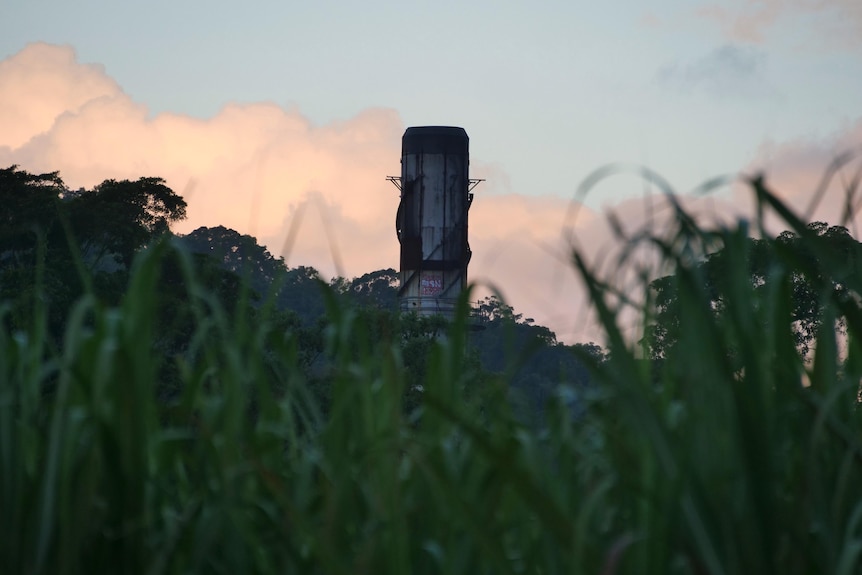
The sun has set on Mossman’s sugar industry. (ABC Far North: Bridget Herrmann)
Despite efforts to transition the regional economy to another crop, a solution is yet to be found.
Mr Barber said rainforest restoration offered a viable economic future for those who owned land that was no longer suitable for farming.
“The farmers will tell you that cane is dead,” he said.
“One of them told me today that he was desperate and he’s not making any money, and he needs to sell this land.”
However, canegrower Matt Watson said he was “on the fence” about the revegetation, concerned it could lead to more farms being rezoned for other purposes.
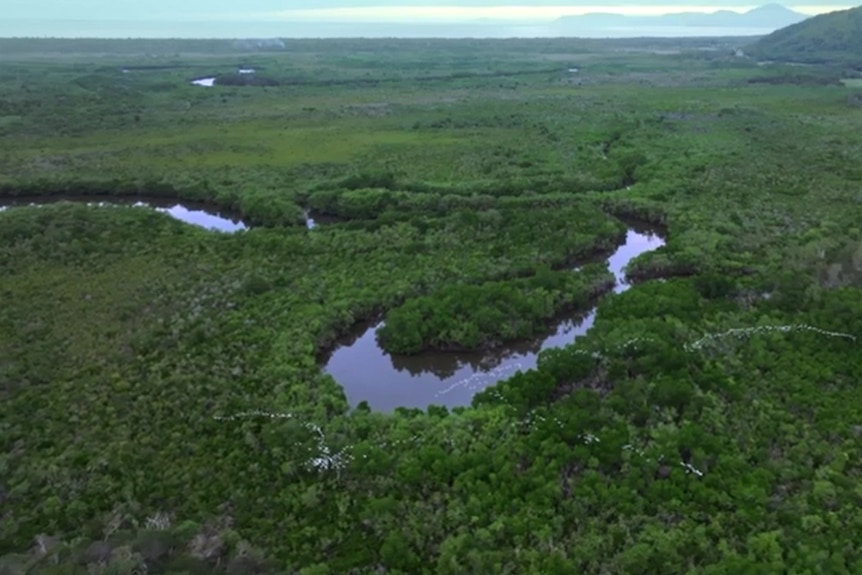
The McDowell Swamp is a nationally significant wetland on the Daintree’s southern side. (Supplied: Rainforest Rescue)
Mr Watson owns one of the parcels of land Rainforest Rescue sought to have rezoned. His uncle owns another.
“On the one hand, I’d sell the farm tomorrow to anybody who has got the money to buy it,” he said.
“Far be it from me to be telling the landowner what they can and can’t do with their land.”
New economies
Mr Barber said replanting rainforest trees would help protect the Great Barrier Reef, reduce the severity of flooding, generate income through the carbon market, and help grow nature-based tourism.
At the heart of Rainforest Rescue’s pitch is McDowell Swamp, an oxbow lake recognised as a wetland of national significance.
“It was a true wonderland of biodiversity and it fulfilled serious ecological functions,” he said.
“But that’s not seen on the ground because, in the 50s, it was drained, cleared and … made available for sugar cane farming.”
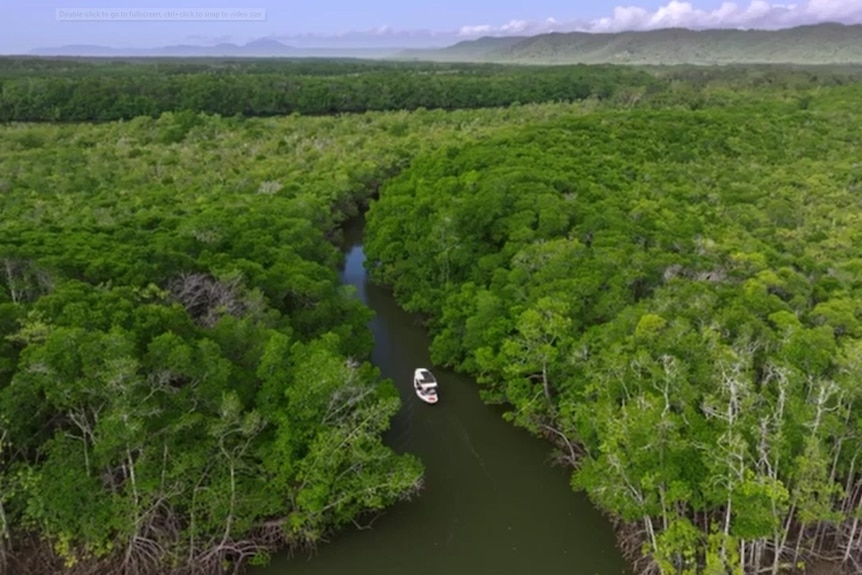
The Daintree River valley is home to the world’s oldest living rainforest. (Supplied: Rainforest Rescue)
Douglas Shire councillor Abigail Noli argued for the entirety of Rainforest Rescue’s application to be approved, saying it was preferable to a “partial, patchwork restoration”.
“This decision is not about agriculture versus the environment,” she said.
“It’s about whether this land can still function as an agricultural land in any meaningful sense.”
Mayor Lisa Scomazzon said a review of the council planning scheme would consider community views on revegetation.
Mr Barber said the existing planning scheme dated back to 2018, when there was still hope Mossman’s sugar industry could be saved.
He flagged a potential appeal against the council’s decision not to approve the full rezoning.
Mr Watson said ex-canegrowers were still fielding interest from investors in potential new crops for biofuels or food production.
“Unfortunately, I’m not sure how much longer some of these growers can hold out,” he said.