
Antibiotic resistance is usually blamed on the big culprits: antibiotics prescribed when they aren’t needed, heavy use in hospitals, and routine use in agriculture.
But now, a study from an international group of researchers argues we’re overlooking a quieter driver sitting under most kitchen sinks.
Everyday products help bacteria adapt

The team’s warning is aimed at everyday antibacterial products – soaps, wipes, sprays, laundry sanitizers, and even treated plastics and textiles – that contain biocides designed to kill microbes.
The experts say these chemicals can help bacteria adapt in ways that don’t just make them harder to kill with the biocides themselves, but can also encourage cross-resistance to important antibiotic medicines.
The most common examples they highlight include quaternary ammonium compounds (QACs) and chloroxylenol.
The team’s core message is blunt: for most normal household use, these antibacterial additives aren’t providing extra health protection compared with basic hygiene, but they may be increasing antimicrobial resistance (AMR) risks in the environment.
Adaptations that help bacteria survive
Biocides are meant to kill bacteria. But in real life, microbes are often exposed to low or inconsistent doses: a wiped surface that dries unevenly, diluted product in wash water, residues left behind, or small concentrations flowing through plumbing.
That kind of “partial pressure” can create selection – meaning bacteria that can survive the chemical exposure are more likely to persist and multiply.
Over time, that can shift which strains dominate. The authors also point to research showing biocides can encourage bacteria to share resistance genes with each other, making resistance spread faster.
And because many resistance mechanisms overlap – like efflux pumps that push toxins out of cells – the same adaptations that help bacteria survive a disinfectant can sometimes help them withstand antibiotics too.
Millions of drains, every day
One reason the authors focus on consumer products is scale. Even if each household contributes only small amounts, the combined flow is massive.
Biocides used at home get rinsed down drains, enter wastewater treatment systems, and can end up in broader environmental reservoirs where bacteria are constantly mixing and evolving.
“Global AMR strategies have focused on hospitals and farms while overlooking everyday products used in homes that may contribute to resistance,” said senior author Miriam Diamond, a professor at the University of Toronto.
“Biocides from soaps and disinfecting products are washed down millions of household drains every day, entering wastewater systems and the broader environment where they create ideal conditions for bacteria to adapt and become harder to kill.”
“With little evidence of health benefit, these uses should be a clear target for AMR prevention.”
A surge in antibacterial products
The paper notes that use of disinfecting and antibacterial products surged during the COVID-19 pandemic and, according to the authors, remains elevated.
Many of these products don’t even add meaningful health benefit. A big argument is that antibacterial additives are often unnecessary for ordinary consumer settings.
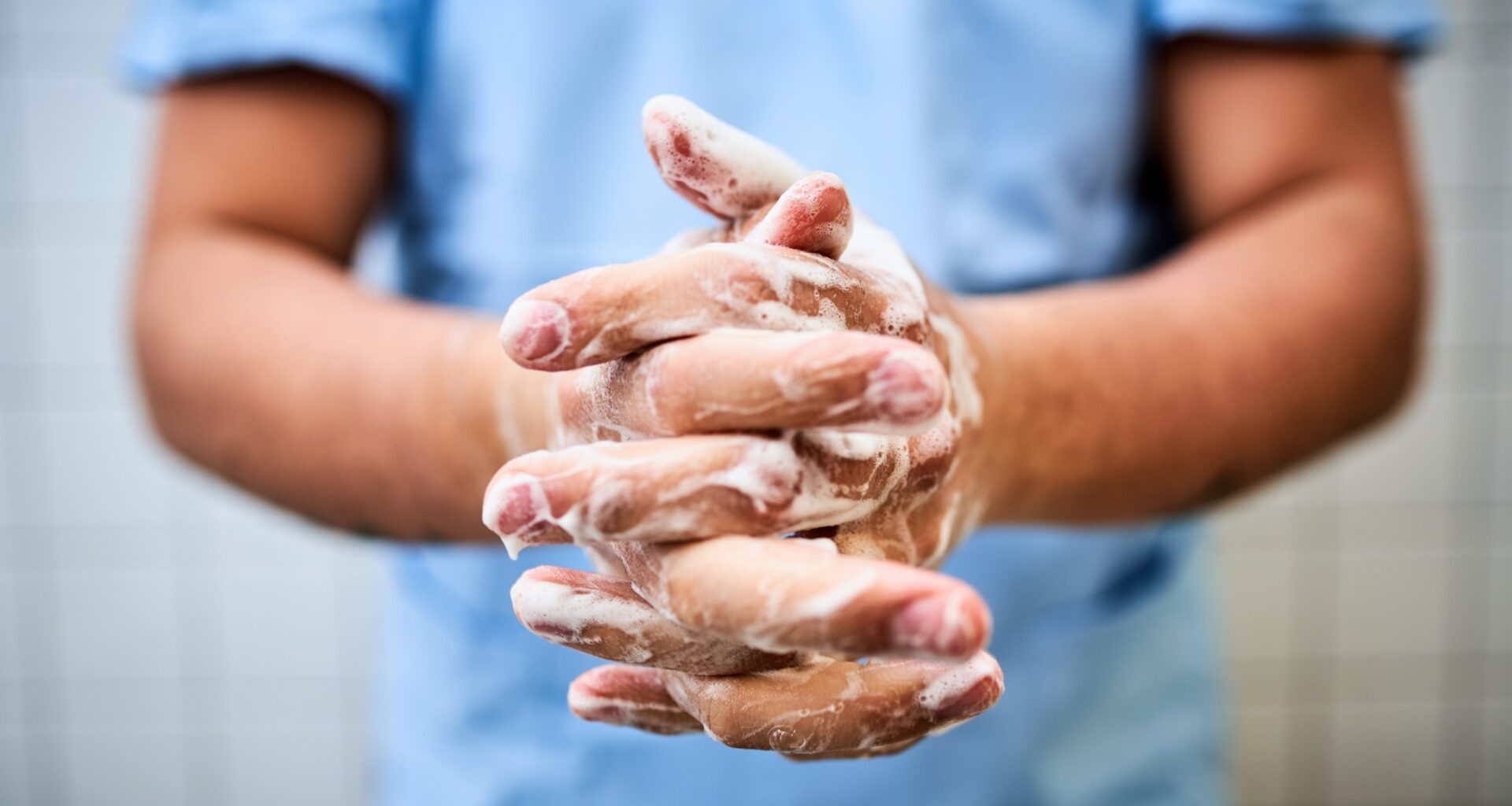
Basic soap and water already works well for handwashing and routine cleaning, largely because soap lifts oils and microbes off the skin so they can be rinsed away.
The authors point out that major public health authorities have repeatedly advised that plain soap and water is the default choice for the general public. In other words, the extra antimicrobial ingredients are frequently more marketing than medicine.
They also emphasize that beyond AMR concerns, some of these chemicals raise toxicity questions – meaning the cost side of the equation isn’t just about resistance.
What the researchers want to change
The authors aren’t arguing against hygiene or against disinfectants in high-risk settings. Hospitals, long-term care, and certain outbreak situations are different.
What they’re targeting is routine, everyday use where there’s no clear evidence that antibacterial additives improve outcomes.
They want consumer-product biocides explicitly addressed in global AMR strategy, including in the World Health Organization’s next Global Action Plan on AMR.
They also call for reduction targets backed by environmental monitoring, and for national governments to restrict antimicrobial ingredients in household products when efficacy isn’t demonstrated.
Finally, they push for public awareness campaigns aimed at the myth that “antibacterial” equals “cleaner” in everyday life.
Slowing the spread of superbugs
One of the paper’s themes is that this is a relatively easy win compared with some other AMR challenges.
Changing consumer product formulations is often simpler than changing hospital prescribing behavior or agricultural policy – and it may deliver benefits on multiple fronts (less chemical pollution, less selection pressure, fewer resistance opportunities).
“The overuse of biocides in consumer products is low-hanging fruit in the fight against AMR,” said lead author Rebecca Fuoco, Director of Science Communications at the Green Science Policy Institute and doctoral student at Johns Hopkins University.
“By phasing out unnecessary antibacterial additives, we can reduce chemical pollution, protect public health, and help slow the spread of superbugs.”
For most people, this is not a call to stop washing hands or cleaning surfaces. It’s a reminder that “more antimicrobial” isn’t automatically better and that the products designed to kill germs can have unintended evolutionary consequences when they’re used widely and casually.
Thus, basic hygiene still does the job in most household contexts, and cutting back on unnecessary antibacterial additives could be one of the simpler ways to reduce AMR pressure – before the “superbug” problem gets even harder to control.
The study is published in the journal Environmental Science & Technology.
—–
Like what you read? Subscribe to our newsletter for engaging articles, exclusive content, and the latest updates.
Check us out on EarthSnap, a free app brought to you by Eric Ralls and Earth.com.
—–