
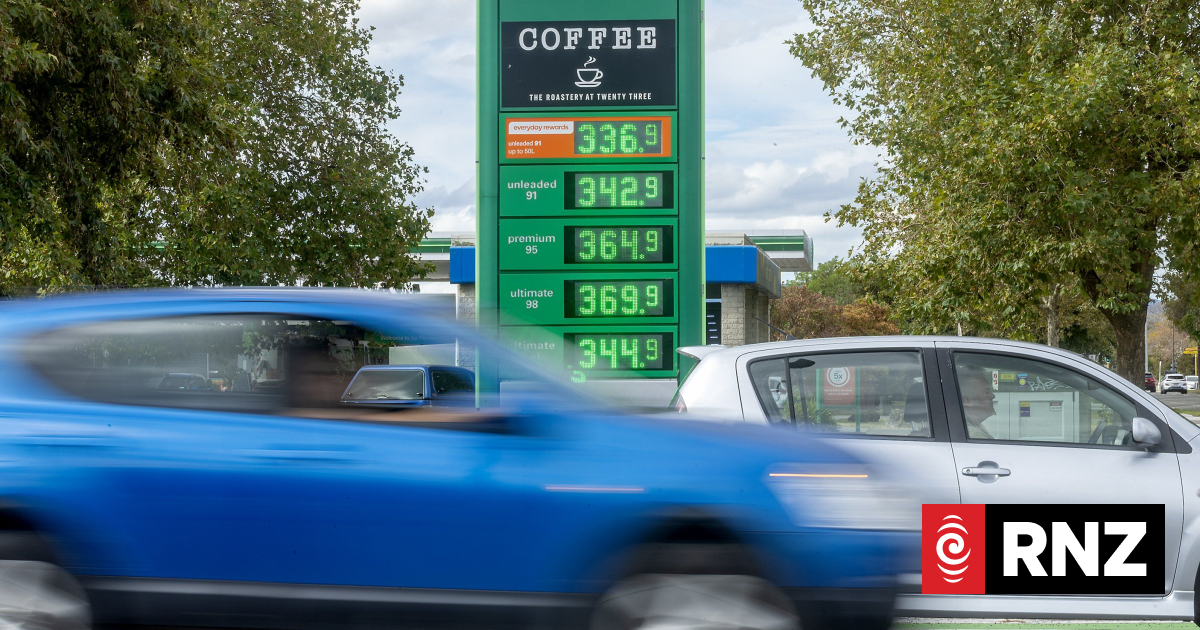
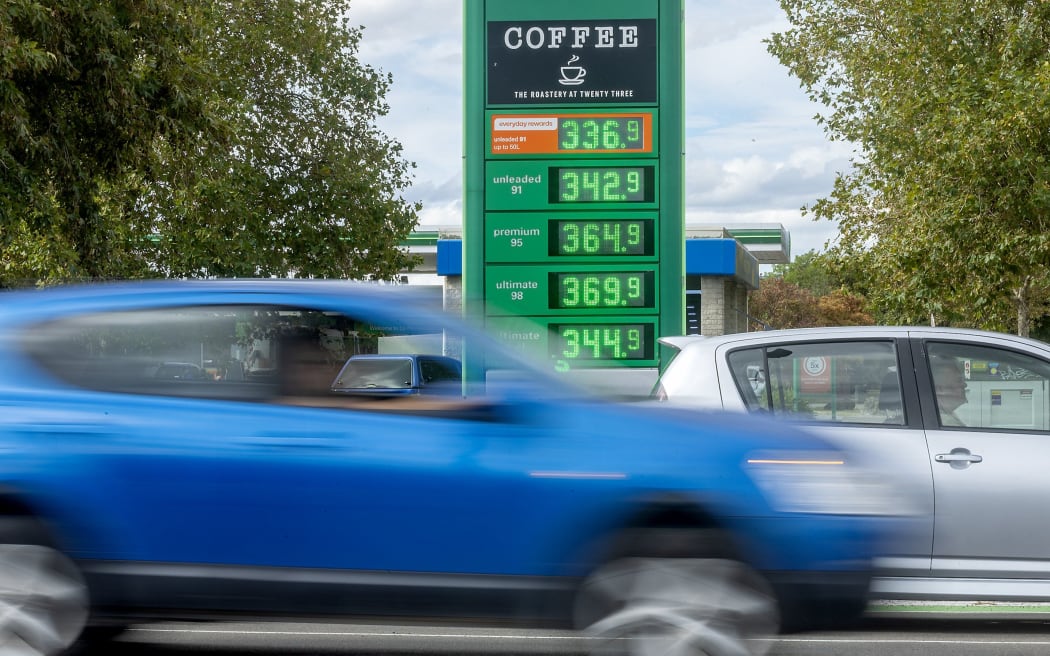
Fuel prices are increasing and the cost of unleaded 91 is expected to reach $3.80.
Photo: LDR
Palmerston North’s council is facing “the same upward pressure on prices that households and business are” as it spends an extra $2500 per day on fuel costs, the city’s mayor says.
With little relief in the Middle East in sight and a growing cost-of-living crisis, many across the community are left wondering where this additional $2500 a day is coming from, and how much this daily figure may grow in the coming weeks.

Mayor Grant Smith said council’s focus was on “readiness and continuity” but the continuous rise in fuel prices meant council budgets, supply chains and access to contractors and materials “are expected to be impacted”.

Palmerston North mayor Grant Smith says fuel prices increases will impact council services but staff will remain focused on “readiness and continuity”.
Photo: LDR
Councils across Central Districts were asked how recent government announcements and the constant uptake in fuel prices were impacting council business and decision-making.
Smith said Palmerston North was “monitoring” the situation and keeping a close eye on the government’s revised National Fuel Plan and the financial boost which some families were set to receive from April 1.
Taraua’s mayor Scott Gilmore said planning was in place to ensure council and community were prepared, but the “increasing fuel costs are starting to impact everyone, including council’s operations”.
“We know many households are still feeling the strain as costs across the board remain high, and no single measure will fully offset that.”
If phase two of the Government’s national plan, which focused on supply and demand issues, were enforced Gilmore said Tararua council’s “priority will be affordability and maintaining essential services”.
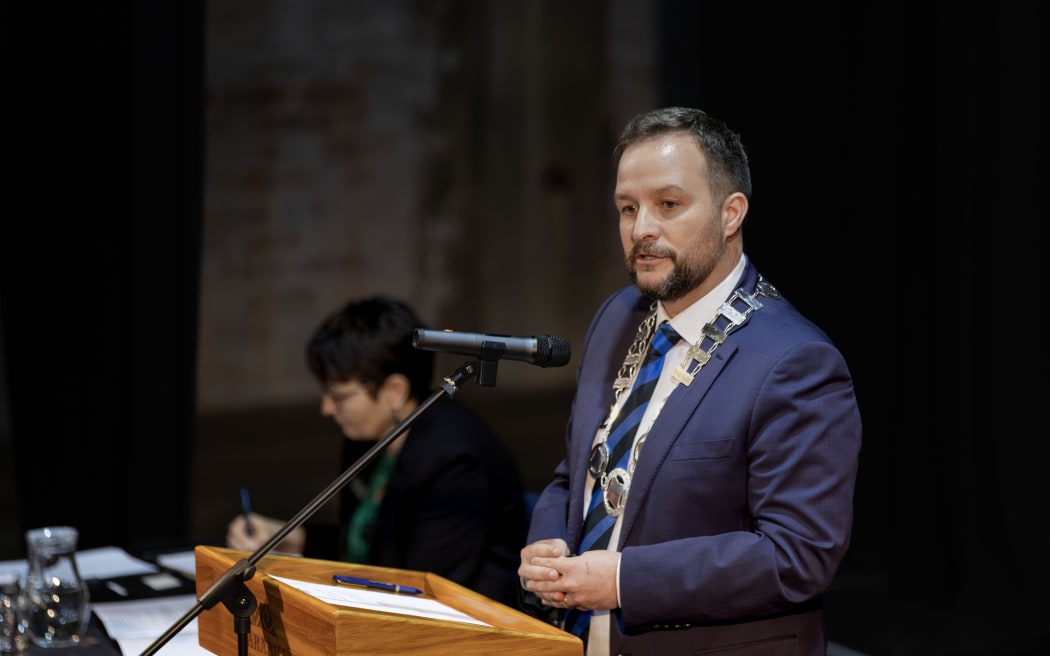
Tararua mayor Scott Gilmore says the surging costs will impact households and services across the region.
Photo: LDR
Aotearoa remains at phase one of the security plan, meaning the current focus was on transparency and preparation relating to fuel quantity and price.
The latest official update from the Ministry for Business, Innovation and Employment (MBIE) on Wednesday outlined that Aotearoa is estimated to have 58.7 days of petrol available but only around 29.3 days were currently in the country.
According to the ‘fuel clock’ maintained by the New Zealand Taxpayers Union, there was currently 24 days of fuel in reserves, with around 21 days of fuel confirmed in the motū and roughly five days worth of fuel on its way.
All council services were currently “running as normal” and council staff were said to be making “practical changes” like reducing non-essential travel and encouraging car-pooling to save on fuel, Gilmore said.
The clear focus for councils across Central Districts appeared to be keeping costs down and remaining mindful of how rising fuel prices were impacting households and business.
From April 1, around 143,000 working families qualify for $50 a week from the fuel-specific government fund, and roughly 14,000 families are eligible to receive a smaller weekly sum.
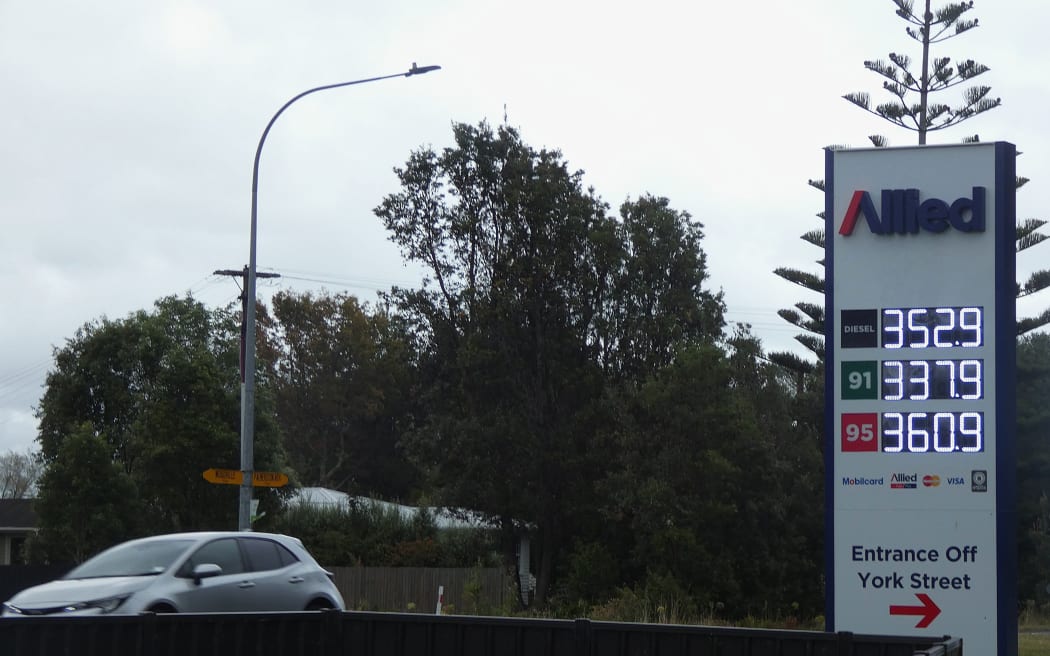
The cost of diesel now surpasses petrol as seen at this fuel station in Ashhurst, Manawatū.
Photo: Rebecca Hogan/LDR
Manawatū District Council would continue to “manage operational costs and support our communities within the scope of our role”, chief executive Shayne Harris said.
Meanwhile, Rangitikei District Council’s chief executive Carol Gordon said its executive leadership team had begun assessing “fuel-related risks and scenarios” and was working to produce an organisational response plan with “urgency”.
Horowhenua District Council remained focused on keeping council expenses down, and like Tararua and Palmerston North councils, it was in close contact with local Civil Defence teams.
Central Districts were not aware of any fuel shortages, but all councils encouraged the community to be conscious about fuel usage and to consider measures such as car-pooling and working from home where possible.
Diesel was now on average more expensive than 91 octane petrol, something which was rare and potentially comprising for Aotearoa’s drivers due to the additional road user charges that those purchasing diesel pay.
Instability through the Strait of Hormuz remains high due to the ongoing conflict, leaving this key route highly dangerous for vessels transporting fuel and forcing prices up.
LDR is local body journalism co-funded by RNZ and NZ On Air.