
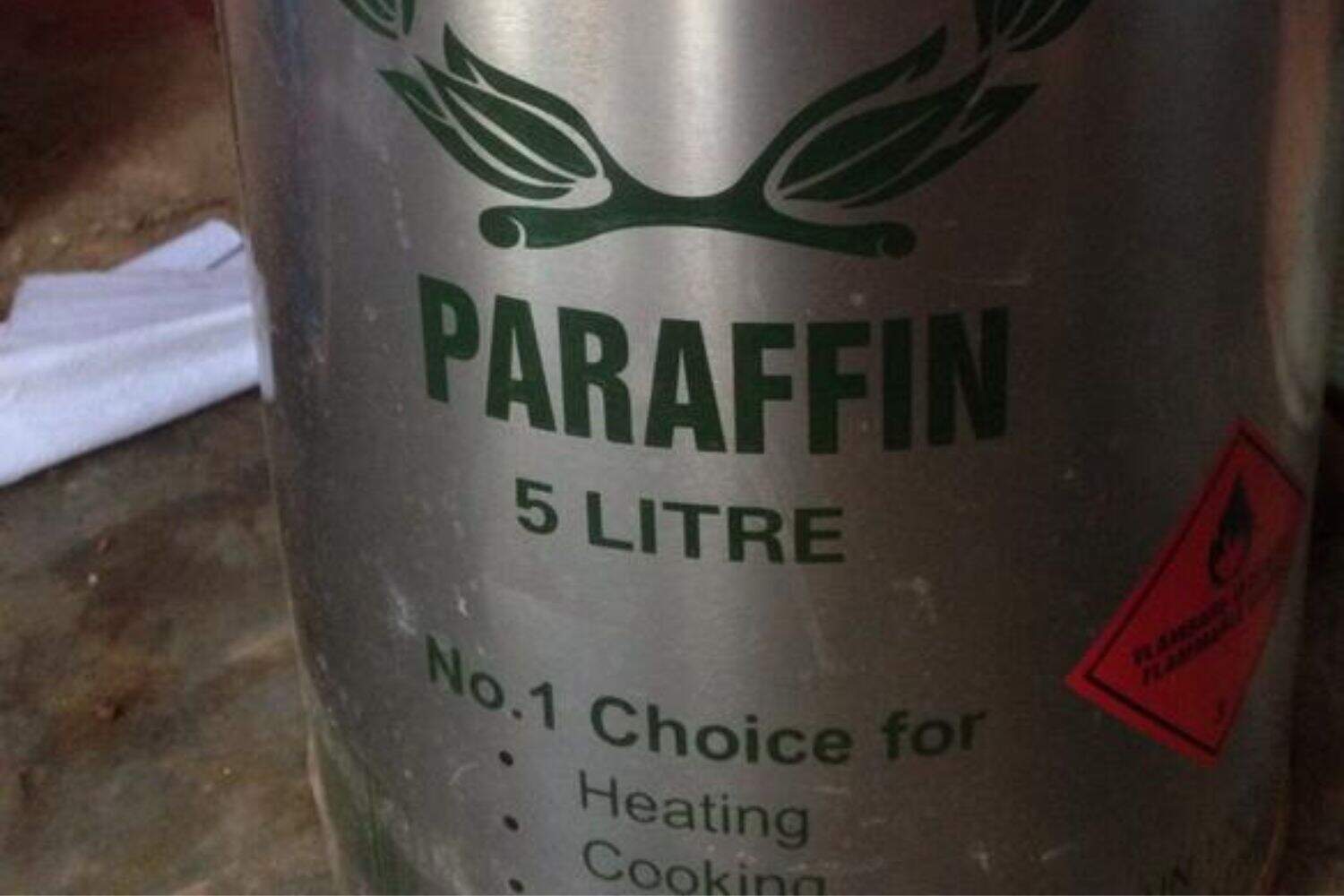
For many working-class and poor households, paraffin is not a discretionary cost. It is used for cooking, heating, and lighting
As motorists breathe a sigh of relief with the government cushioning petrol and diesel users through a temporary fuel levy reduction, the same cannot be said for paraffin users in the country.
On Tuesday, 31 March 2026, the Department of Mineral Resources and Energy (DMRE) announced that the prices of 93-octane and 95-octane petrol increased by R3.06 per litre.
The price of diesel with 0.05% (500ppm) sulphur increased by R7.37 per litre, and 0.005% (50ppm) sulphur went up by R7.51 per litre.
Paraffin hike
However, the increase in paraffin prices was the real shocker.
Illuminating paraffin now costs R11.67 more per litre, while the price of LP gas increased by 57 cents per kg countrywide, except in the Western Cape, where it increased by R1.08 per kg.
ALSO READ: No April Fools: Fuel and electricity up, wallets empty as SA feels the pain
Concern
The Federation of Unions of South Africa (Fedusa) has expressed serious concern at the steep increase in the price of illuminating paraffin.
“While the government has moved to cushion petrol and diesel users through a temporary fuel levy reduction, no equivalent relief has been extended to paraffin beyond the standard price regulation mechanism. This means poor households that rely on paraffin remain fully exposed to these increases.
“This is deeply concerning. An increase of R11.67 per litre at the wholesale level and an R15.60 per litre increase in the regulated maximum retail price is not just steep but
punitive. It targets households that have no alternatives and no cushion,” Fedusa said.
For many working-class and poor households, paraffin is not a discretionary cost. It is used for cooking, heating, and lighting.
No alternatives
Fedusa said there are no viable alternatives, and the increase directly reduces access to basic energy.
Fedusa therefore finds it unacceptable that, at a time when relief measures have been introduced elsewhere in the fuel pricing system, those at the bottom of the income spectrum are left to absorb the full impact. This raises a fundamental question of equity.
“If relief is possible for motorists, it must be possible for households. The current approach risks deepening inequality by protecting mobility while neglecting basic energy needs,” it said.
Fedusa called on the government to urgently introduce targeted relief measures on paraffin pricing and to ensure that any future interventions in the energy space prioritise vulnerable households.
“Workers cannot be protected in part. Relief must be fair, and it must be inclusive,” Fedusa said.
ALSO READ: ‘Workers crushed’ by fuel and power hikes, calls for urgent relief
Support Local Journalism
Add The Citizen as a Preferred Source on Google and follow us on Google News to see more of our trusted reporting in Google News and Top Stories.