
A new study finds that lakes are likely releasing carbon that’s been held in the peatlands of the Congo Basin for thousands of years.Scientists know these lakes release carbon dioxide, which until now was thought to result from recently decayed plant matter.A team of researchers radiocarbon-dated carbon from water samples to show that some of the CO₂ probably has much older origins, reporting their findings in a new study.The authors says more work is needed to understand the implications of this ancient carbon release for carbon dynamics and climate change.
See All Key Ideas
Across the central Congo Basin lies a bastion of carbon that scientists are just beginning to understand. First mapped only about a decade ago, the Cuvette Centrale peatlands are the size of England and hold some 30 billion metric tons of carbon.
Over thousands of years, the swampy conditions in this part of Central Africa have slowed the decay of plant matter falling from the forest above. The process leads to the development of peat, and the peatlands in the Congo Basin are the largest known repository in the tropics. Across the millennia, enormous amounts of carbon have built up and been stashed away inside the peat.
Recent research now suggests that some of that very old carbon may be returning to the atmosphere through lakes that form amid peatlands — similar to the way smoke escapes a fireplace through a chimney, according to the authors. It’s a finding that opens new questions about how we account for the cycling of carbon through these ecosystems and the resulting influence on climate change.
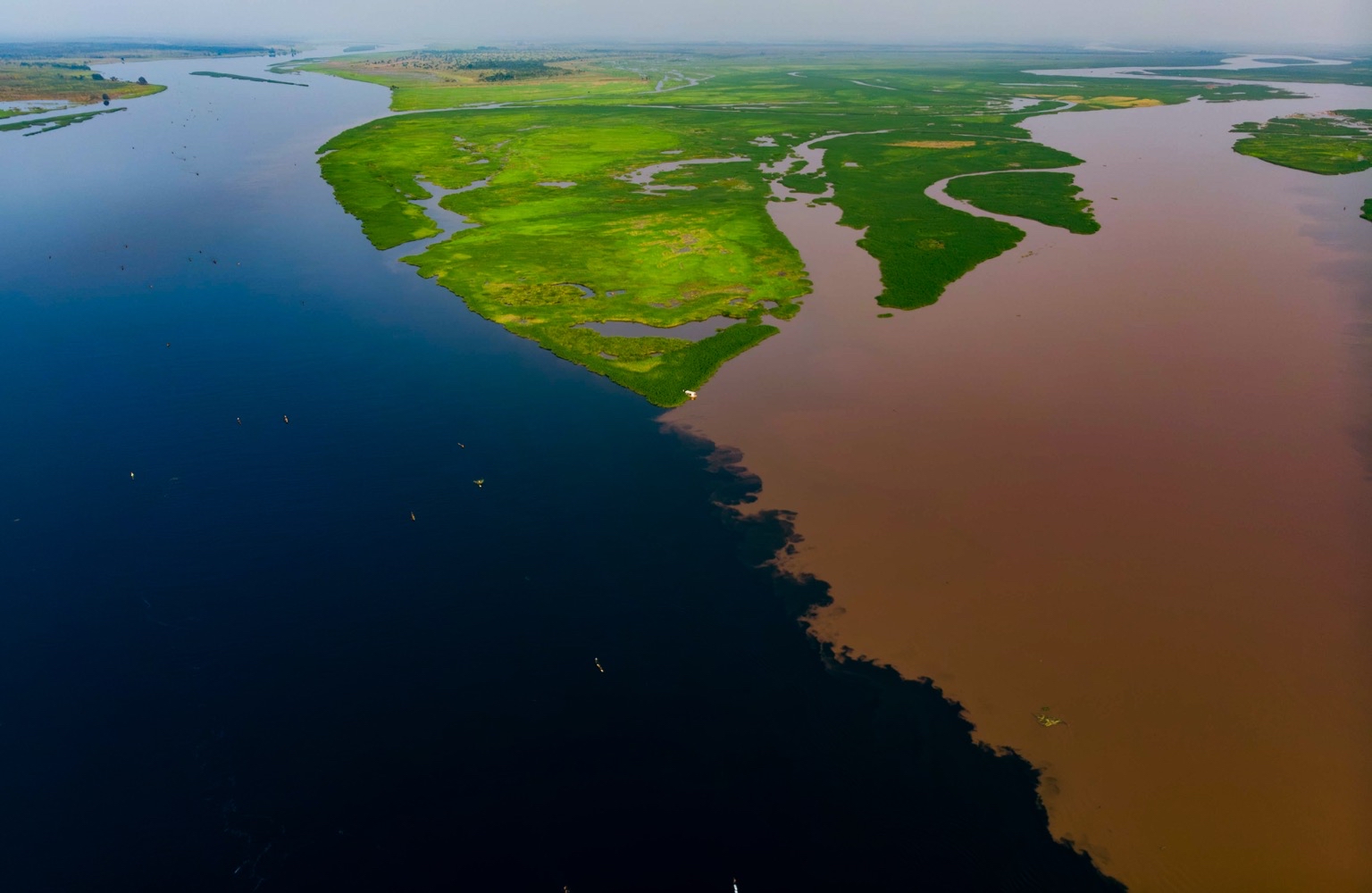 Water draining forested landscapes meets water draining savanna landscapes at this confluence between the Fimi and Kasaï rivers in the Democratic Republic of Congo. The reddish color of the Kasaï River originates from the iron oxides associated with clays of suspended sediments transported by the river, which are more predominant in savanna compared to forest. The much darker color of the Fimi River, which drains Lake Mai Ndombe, stems from organic materials that leach from leaves and soils into the water. Image courtesy of Matti Barthel.
Scientists have long known these lakes release — or “outgas” — CO2 into the atmosphere, said Travis Drake, the lead author of the study published Feb. 23 in the journal Nature Geoscience. Peatlands in general are also natural sources of methane, another potent greenhouse gas.
“Most inland waters draining highly productive ecosystems are naturally sources and even hotspots for CO2 outgassing,” Drake, a carbon biogeochemist in the sustainable agroecosystems group at Switzerland’s ETH Zürich, said in an email.
Until now, researchers have figured that this CO2 comes from microbes as they break down the constant influx of dead plant matter from surrounding forests. But when Drake and his colleagues used radiocarbon dating to trace the age of that carbon, they found that around 40% of it appeared to be much, much older.
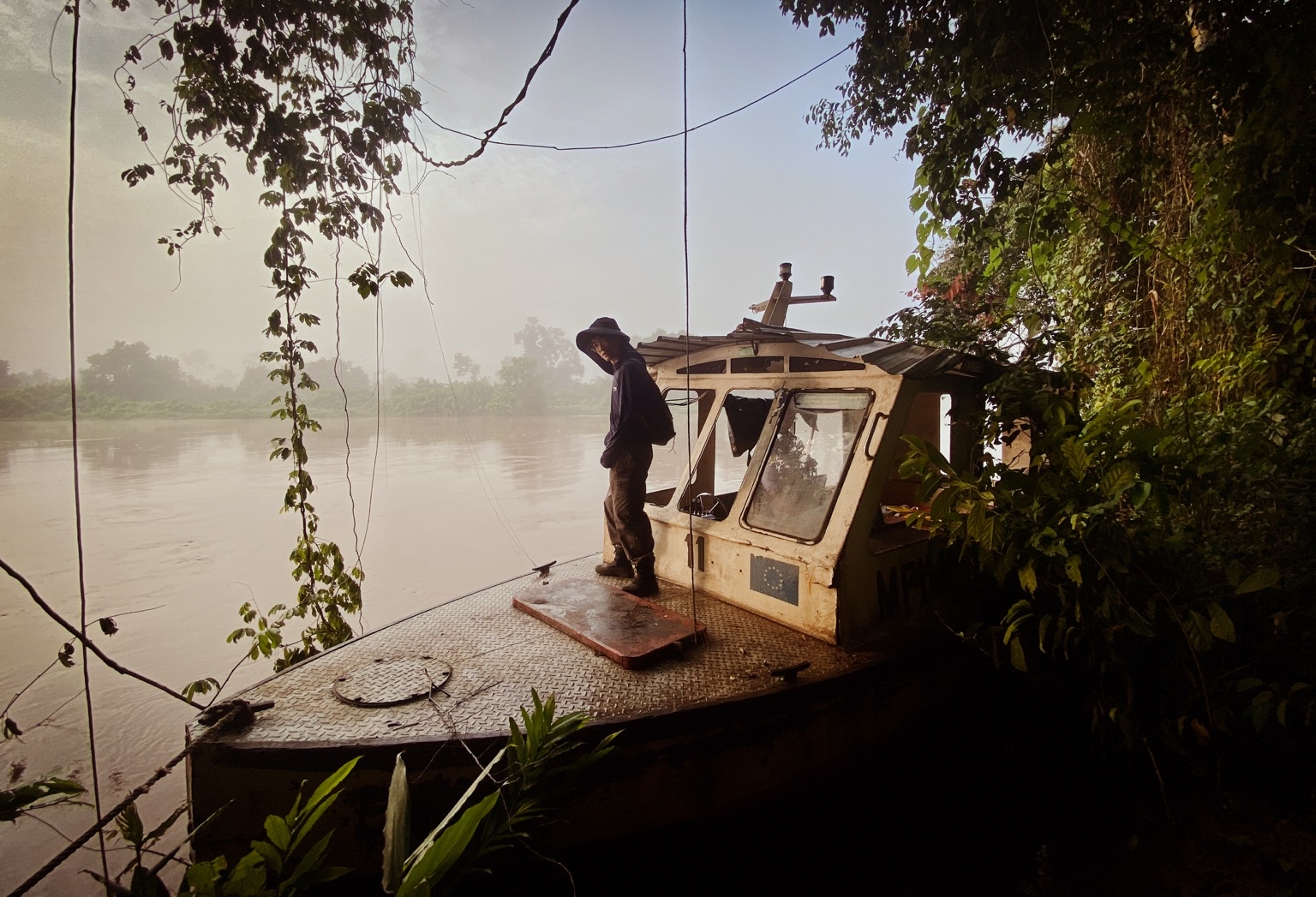 Scientist Pengzhi Zhao gets ready for another day of sampling. Most locations are almost impossible to reach by land. Therefore, small dinghy boats were used to access the remote study sites in the Kasaï River Basin. Image courtesy of Matti Barthel.
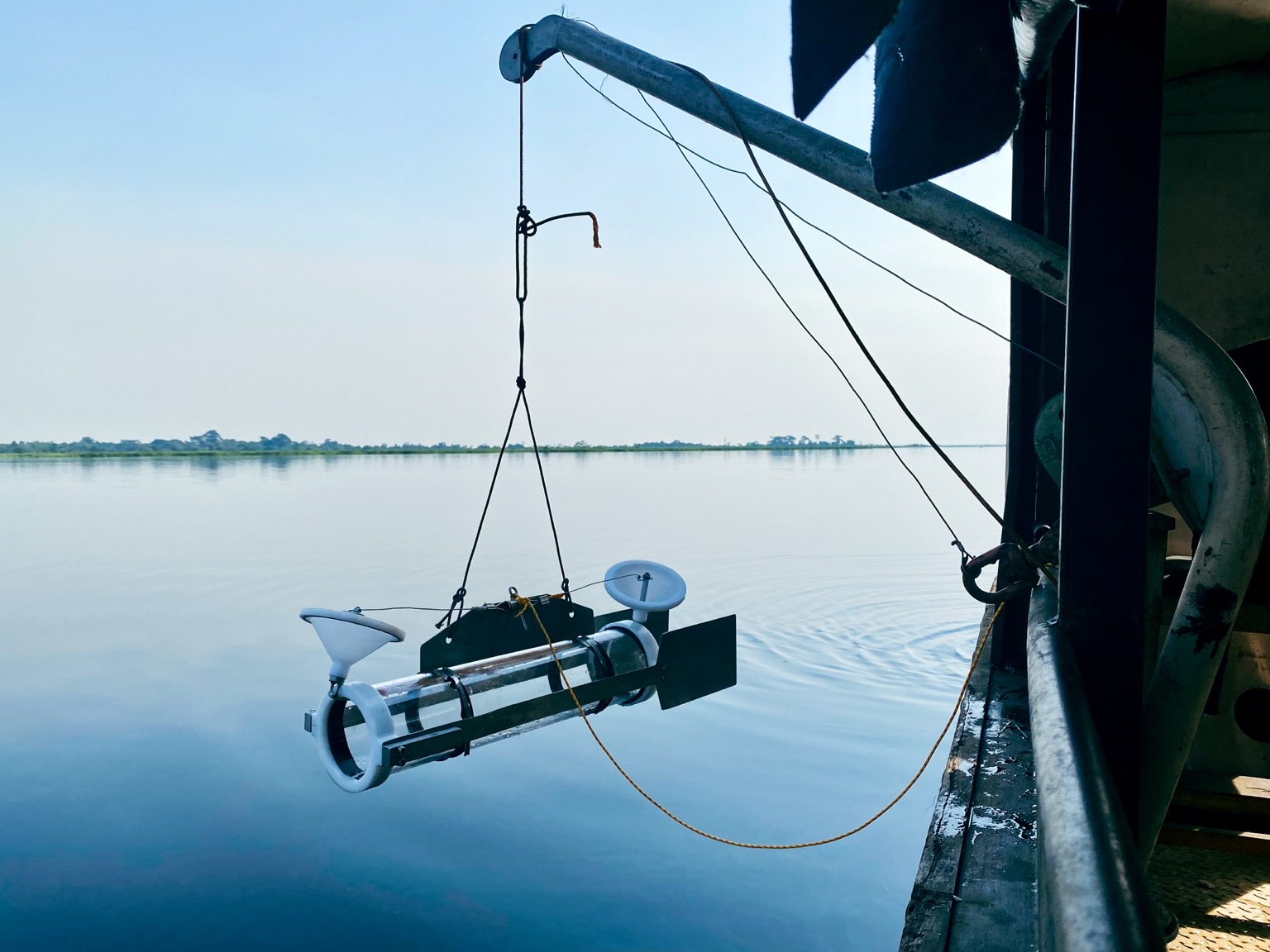 A “Van Dorn sampler,” made in-house at ETH Zürich, is used to sample water from depth. After lowering the sampler to the desired depth, a manual trigger is released, causing both ends to snap shut. Image courtesy of Matti Barthel.
Massive ‘blackwater’ lakes
The water samples came from Lake Mai Ndombe and Lake Tumba, two large “blackwater” lakes stained the color of coffee from the high concentrations of organic matter.
The researchers then used statistical modeling to gauge the source of the carbon in the CO2 coming from the lakes.
“[I]t surprised us that almost half was coming from ancient peat carbon,” Drake said. By ancient, he and his colleagues mean it may be between 2,000 and 3,500 years old, according to their research. The research opens up new paths for future research to tease apart the specific mysterious tangle of processes setting this old carbon loose.
It’s not clear, for instance, whether that release has long been part of the peatland carbon cycle — “a natural phenomenon,” as the authors write — or whether it’s the result of something more recent that’s altering the system, said Marijn Bauters. Bauters is an associate professor at the Q-ForestLab at Ghent University in Belgium, who wasn’t involved with this study but has worked with members of the research team.
Tropical peatlands elsewhere, especially in Southeast Asia, have been drained to make way for agriculture, which releases a lot of that older carbon. By contrast, the Congo Basin’s peatlands have remained mostly intact.
Drake said he believes his team has documented an essentially natural process.
“Given the relatively pristine condition of the Congo peatlands, I suspect that these lakes have long outgassed peat carbon to one degree or another,” he added.
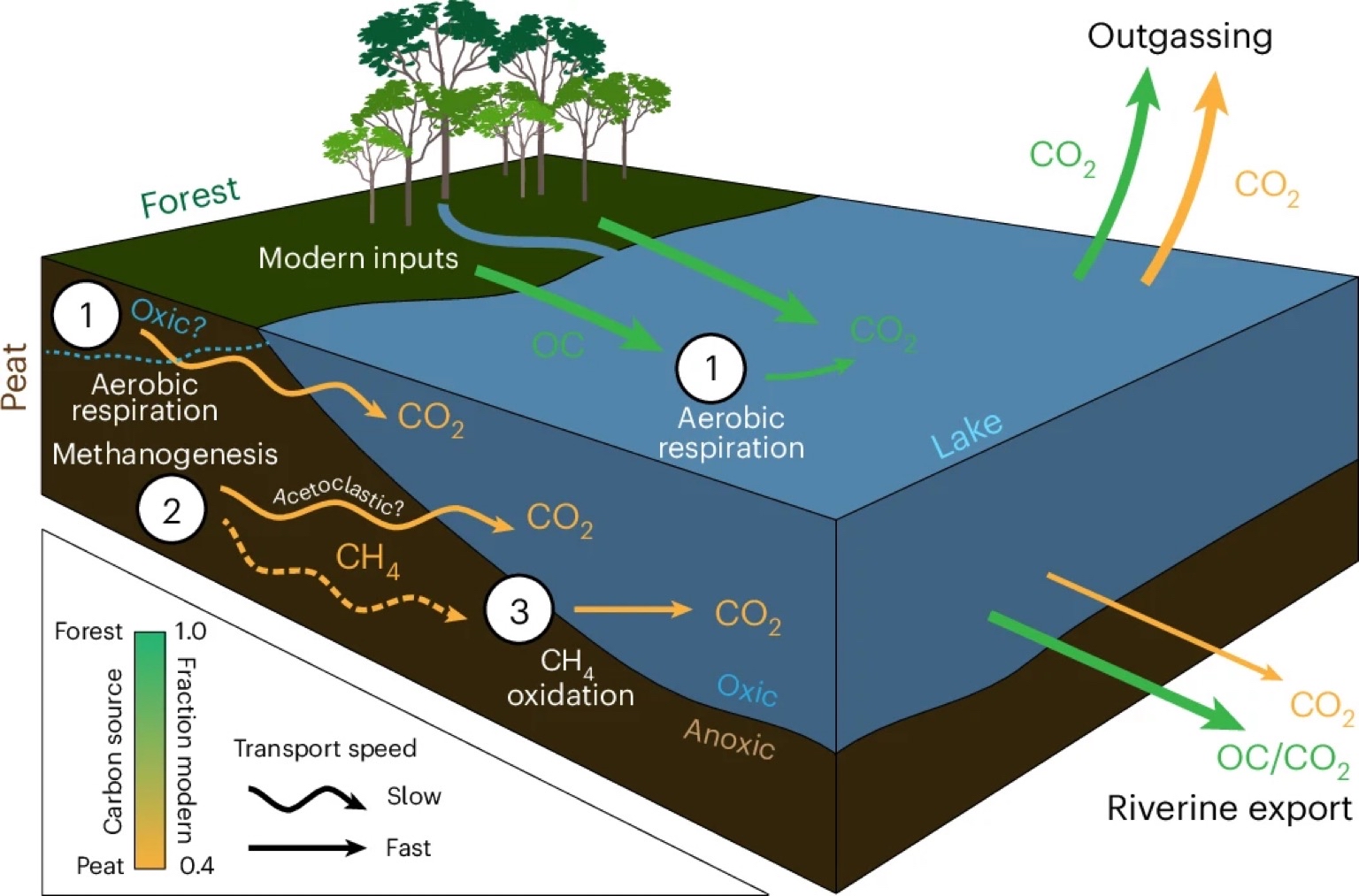 Image by Drake et al., 2026 (CC BY 4.0).
Drake and his colleagues suspect carbon enters the atmosphere from these lakes through two separate processes. The first is the one scientists have assumed to be the main source of the carbon: microbes turning bits from young plants into organic carbon and CO2.
Then, the team theorizes that there’s a second, distinct pathway starting “deep within the peat,” Drake said. There, microbes break down that much older plant matter and “respire” that older carbon, releasing both CO2 and methane. The methane, each molecule of which consists of a carbon atom and four hydrogen atoms, is then oxidized to CO2 and seeps into the lake.
Drake said that this is just a “hypothetical scenario” and that scientists have to do more research to understand key processes — for example, precisely how the methane forms.
Joshua Dean, an associate professor in biogeochemistry at the U.K.’s University of Bristol, who wasn’t involved in the study, said the role of methane helping to drive the release of old CO2 from the lakes seems plausible.
He also said the study provides “a really interesting set of data from a challenging part of the world” in an email to Mongabay.
“The finding is quite surprising,” said Dean, whose own work has begun to unravel the role of freshwater in the release of carbon from peatlands. “[i]t’s amazing to see those at play at these large scales in these huge lakes.”
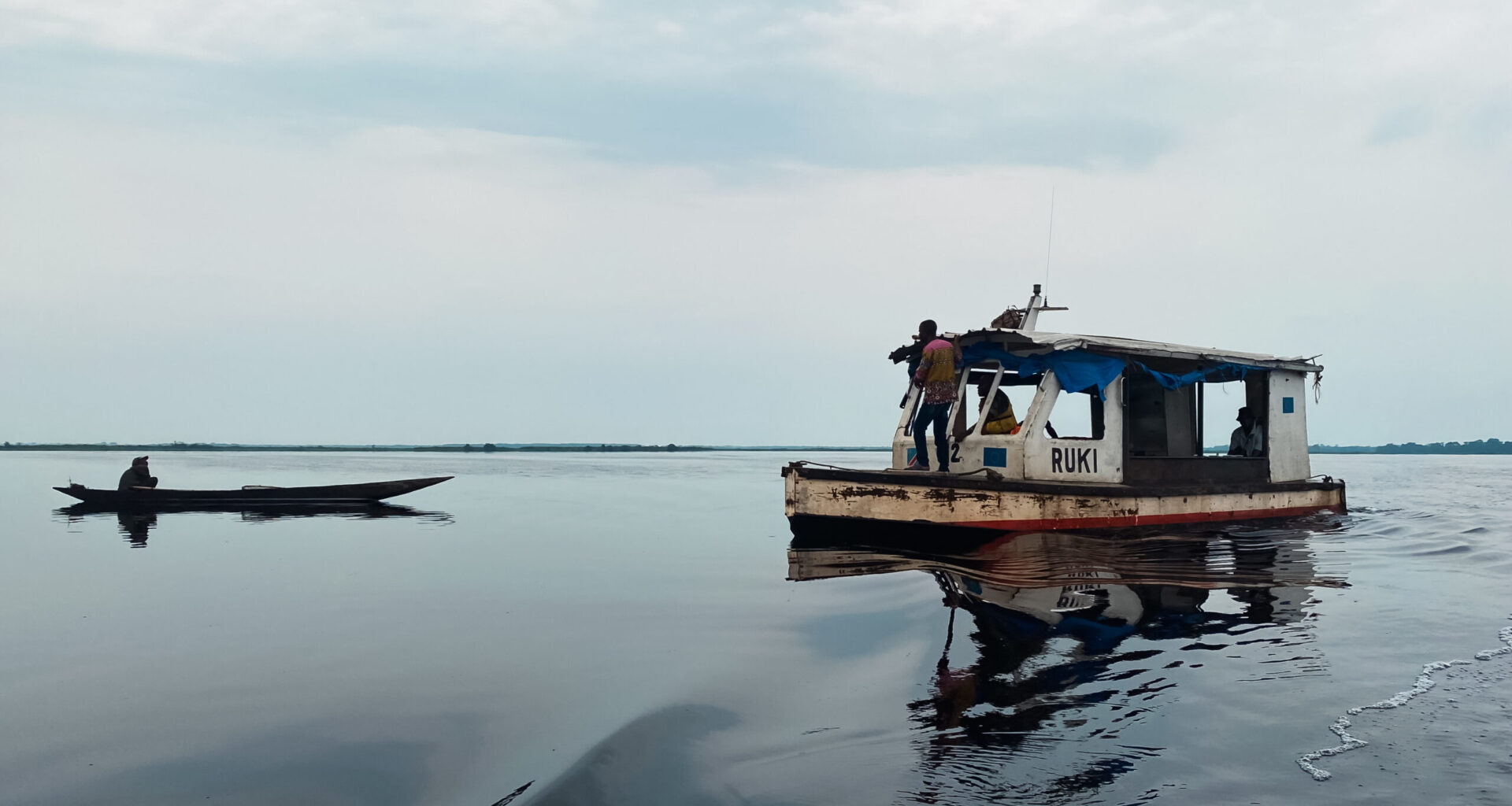
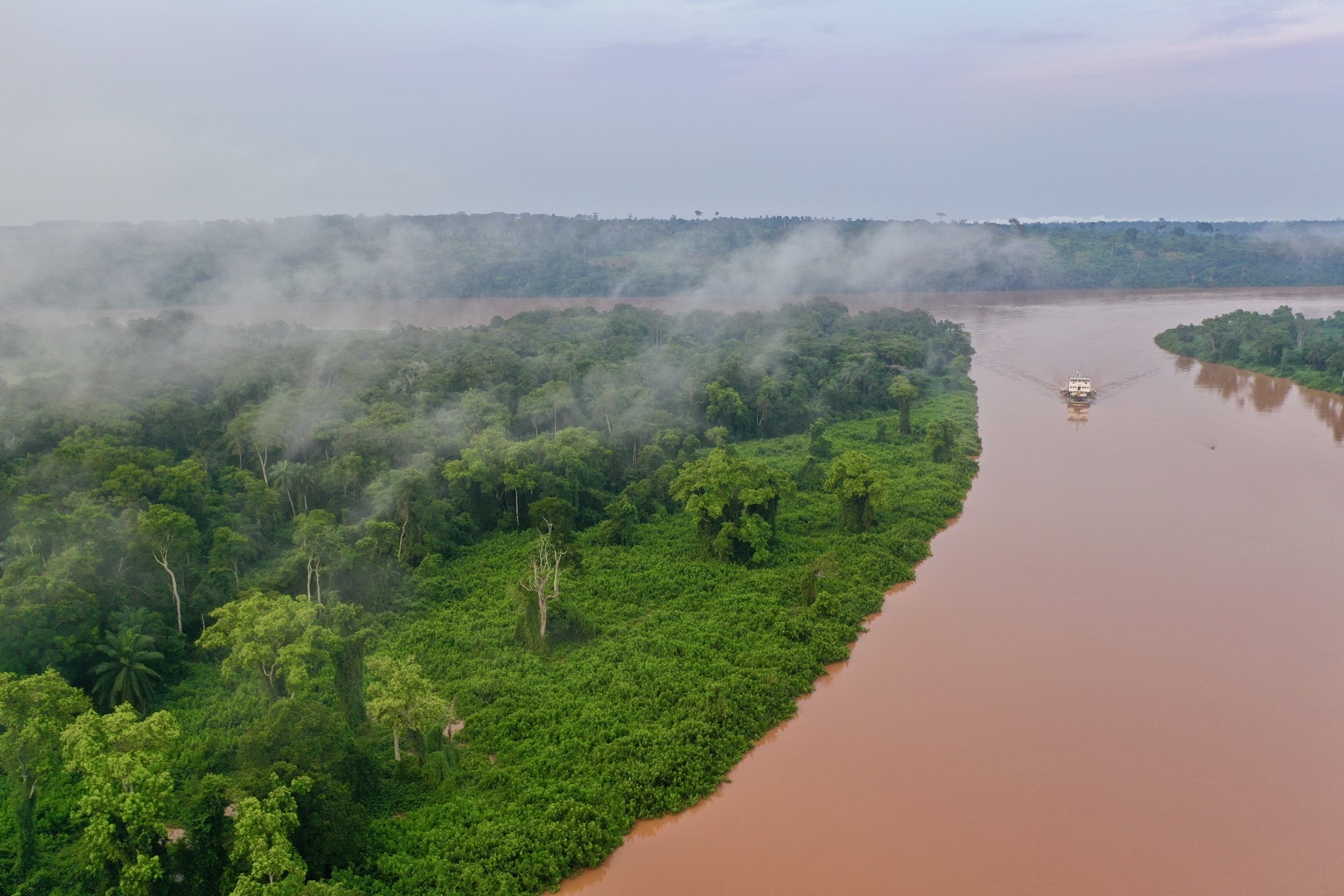 The remote study sites, such as Lake Mai Ndombe, were reached mainly by boat. Image courtesy of Kristof Van Oost.
A storehouse of carbon — if you can keep it
Current climate models aren’t equipped to incorporate the level of detail presented in this study, Dean said. Still, a better grasp of how long the massive amount of carbon in peatlands stays there will help us better understand climate change, he added.
Bauters pointed out that scientists still have a lot to learn about the Congo Basin’s peatlands.
“We know more or less the extent, but we know very little about the mechanisms that are driving this accumulation or potential loss of carbon from this store,” he told Mongabay by voice message from the field in Colombia. “So, anything related to that is honestly super important for us to understand.”
The research “is really timely and relevant and important because of the huge amounts of carbon that are stored in these systems,” he added.
The 30 billion metric tons these peatlands contain is roughly equivalent to the amount humans emit in three years of burning fossil fuels. And right now, keeping that carbon socked away maintains a bulwark against intensified climate change.
The authors say their findings highlight the importance of understanding the current stability of the peatlands and whether climate change is pushing them closer to becoming sources of carbon instead of sinks — as drier conditions lead to greater CO2 release, for example.
That process is distinct from the release of methane from the depths, Drake said. “Think of it like a leaky freezer: some cold air escaping is fine (the natural methane outgassing), but if you unplug the freezer, all the food will spoil.” In other words, “all the organic carbon contained in the peat will be released as CO2.”
It’s unclear right now how much of an impact that “leaky freezer” might have and whether the amount of carbon released is a substantial proportion of the peatland’s carbon reservoir, he said. But we do know how to keep the “freezer” plugged in — in other words, how to keep the carbon contained in the peat locked away and out of the atmosphere. And it starts with returning water to peatlands that have been drained.
“We can protect, preserve, and restore peatlands by rewetting them, revegetating them, and implementing stronger policies around peat extraction, land-use change, and global climate regulation,” Drake said. “Easy, huh?”
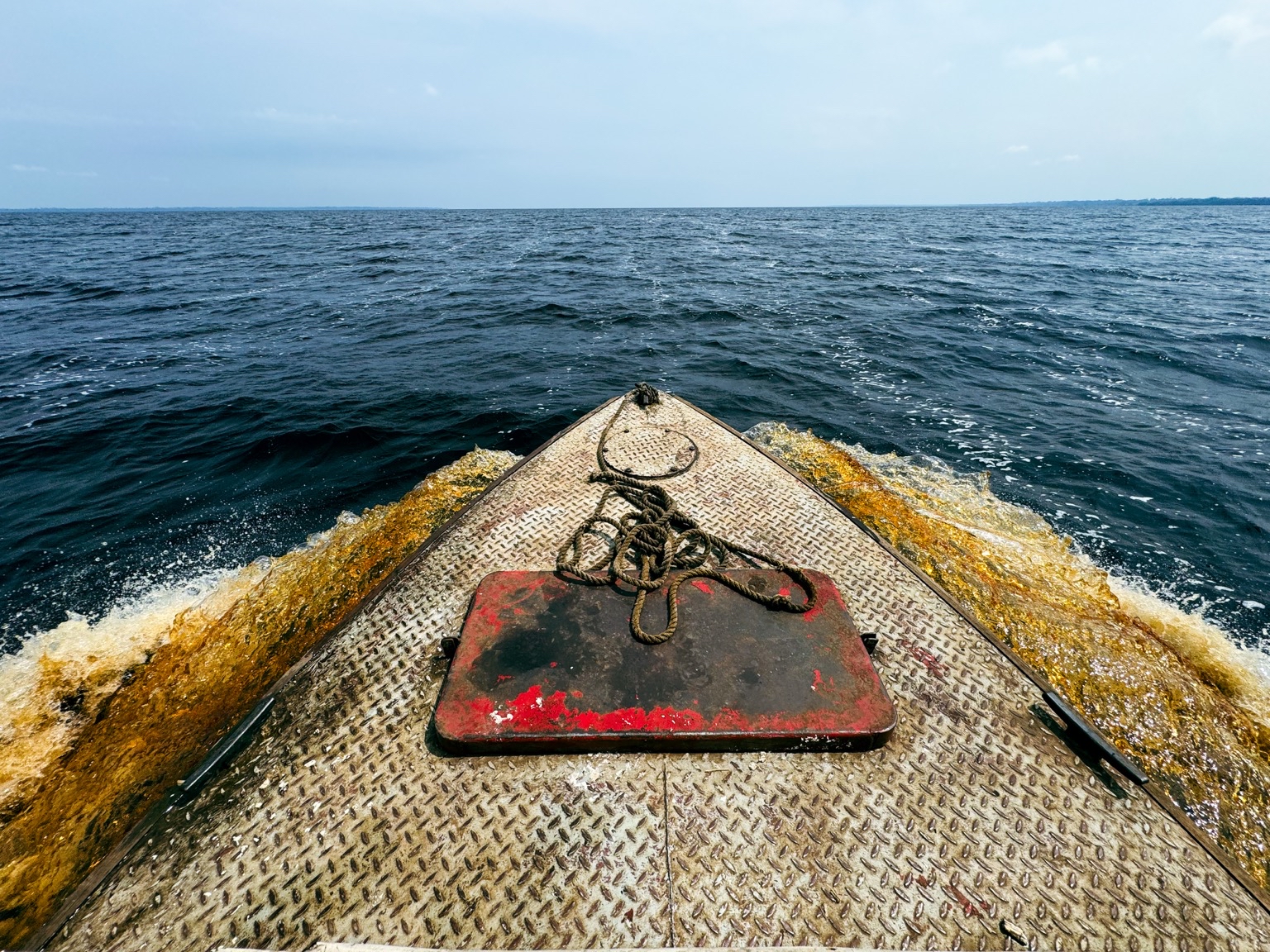 Lake Mai Ndombe. Image courtesy of Travis W. Drake.
Banner image: A dinghy used to sample the lake. Image courtesy of Travis W. Drake.
John Cannon is a staff features writer with Mongabay. Find him on Bluesky and LinkedIn.
The ‘idea’: Uncovering the peatlands of the Congo Basin
Correction: A previous version of this article incorrectly stated Marijn Bauters’s current position at Ghent University. The article has been updated to reflect that Bauters is an associate professor in the Q-ForestLab.
Citations:
Dargie, G. C. (2015). Quantifying and understanding the tropical peatlands of the central Congo Basin. (Doctoral thesis, University of Leeds, Leeds, U.K.). Retrieved from: https://etheses.whiterose.ac.uk/13377/
Dargie, G. C., Lewis, S. L., Lawson, I. T., Mitchard, E. T., Page, S. E., Bocko, Y. E., & Ifo, S. A. (2017). Age, extent and carbon storage of the central Congo Basin peatland complex. Nature, 542(7639), 86-90. doi:10.1038/nature21048
Drake, T. W., Hemingway, J. D., Barthel, M., de Clippele, A., Haghipour, N., Wabakanghanzi, J. N., . . . Six, J. (2026). Millennial-aged peat carbon outgassed by large humic lakes in the Congo Basin. Nature Geoscience. doi:10.1038/s41561-026-01924-3
Dean, J. F., Billett, M. F., Turner, T. E., Garnett, M. H., Andersen, R., McKenzie, R. M., . . . Holden, J. (2024). Peatland pools are tightly coupled to the contemporary carbon cycle. Global Change Biology, 30(1), e16999. doi:10.1111/gcb.16999
FEEDBACK: Use this form to send a message to the author of this post. If you want to post a public comment, you can do that at the bottom of the page.
