


A scene from “XO, Kitty” / Courtesy of Netflix
A U.S.-produced teen drama set in Korea is once again making waves globally, highlighting a growing trend where Korean culture is repackaged overseas and then “re-imported” as global content.
Netflix’s “XO, Kitty” dropped its third season on Thursday, reigniting buzz among international fans and drawing renewed attention at home.
The series is a spinoff of the hit film franchise “To All the Boys I’ve Loved Before.” It follows Kitty, played by Anna Cathcart, who moves to Korea after falling for a boy she met during a previous visit, setting off a coming-of-age story centered on love, identity and life abroad.

A scene from “XO, Kitty” / Courtesy of Netflix
Since its debut in May 2023, the show has proven its global appeal. Season 1 ranked No. 2 on Netflix’s global English TV chart for two consecutive weeks and stayed in the Top 10 for four weeks, leading to a second season. Season 2 maintained momentum with similar rankings, staying in the Top 10 for three weeks.
While the show portrays Korea through a teen drama lens, it has drawn praise for its relatively detailed depiction of Korean culture. Though some viewers said the school setting feels unrealistic, others noted the story takes place in an international school, offering a different — and intentional — perspective from typical Korean high school life.

Scenes from “XO, Kitty” / Courtesy of Netflix
Scenes featuring traditional holidays like Chuseok, where characters prepare festive food, and cultural elements such as hanbok (traditional Korean clothing) and fan dances at school events have been particularly well received.
Interestingly, the show’s popularity first surged overseas before gaining traction in Korea, where it has built a dedicated — if more niche — fan base.
Season 3 is expected to focus on the evolving relationship between Kitty and Min-ho, played by Lee Sang-heon, further fueling anticipation among fans. Some viewers have already begun calling for a fourth season, signaling the spinoff’s growing popularity rivaling its original series.
The success of “XO, Kitty” reflects a broader shift in the global entertainment landscape.
Since launching its service in Korea in 2016, Netflix has steadily expanded its Korean content slate, starting with “Okja” and gaining momentum with series like “Kingdom.”
That growth exploded with the global phenomenon “Squid Game” in 2021, which became the platform’s most-watched series and cemented the global power of Korean storytelling.
Since then, hits such as “All of Us Are Dead,” “The Glory” and “Hellbound” have continued to expand the reach of K-content.
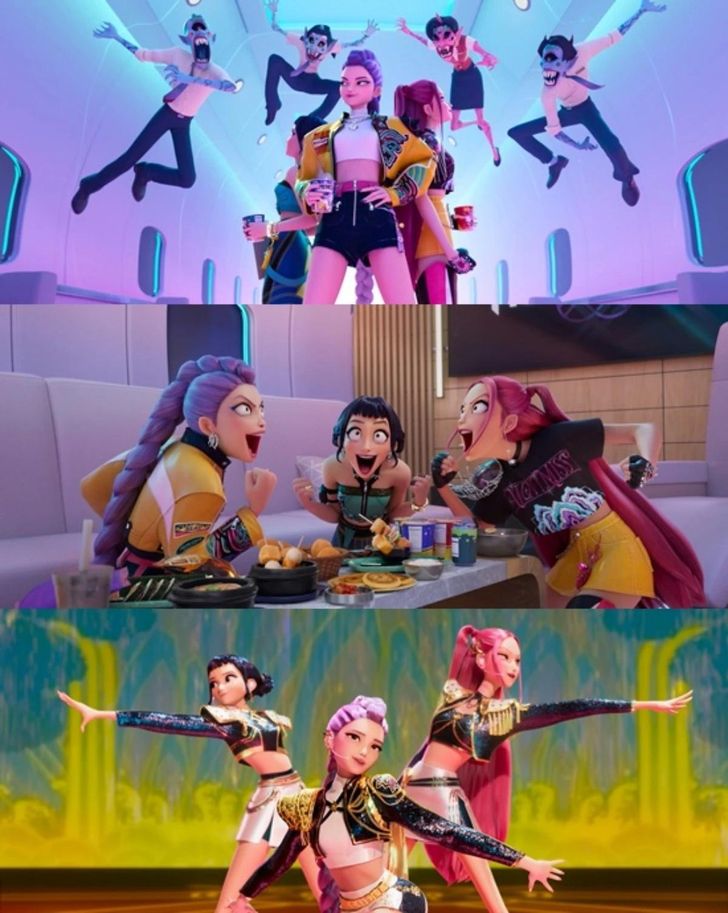
Scenes from “KPop Demon Hunters” / Courtesy of Netflix
Now, a new phase is emerging — content about Korea produced outside Korea.
Netflix’s animated film “KPop Demon Hunters,” created by a team of Korean and Korean diaspora talent, became a massive success, ranking among Netflix’s biggest film hits and winning Best Animated Feature and Best Original Song for “Golden” at the Academy Awards.
Elsewhere, countries like Brazil have even launched original dating shows themed around Korean culture, such as programs centered on finding a “Korean boyfriend,” underscoring the global fascination with Korea.
As Korean culture continues to resonate worldwide, the rise of foreign-produced, Korea-themed content suggests that the next wave of K-content may not just come from Seoul, but from the world.
This article from Xportsnews is adapted by a generative AI system and edited by The Korea Times.