

New Zealand novelist Megan Nicol Reed examines the timeless pressure on women to be thin.
You’re looking amazing, I said to my friend. Thanks, she said. I meant it, she was, is, looking great, but I know when I’ve lost weight and people have exclaimed over my appearance that it can kind of just make you feel like you must have looked really bad before. Anyway she seemed pleased enough and told me she’s on Ozempic – known in medical circles as a GLP-1, or, in what’s surely a euonym if ever there was one, a “dual-agonist therapy”.
Wow, I said, because although supposedly everyone’s on it, I didn’t think I actually knew anyone who is or at least anyone who’s admitting to it. I guess it’s like how when Tinder first became a thing no one used to own up to having met their partner online for fear of being judged. The implication being that you’d cut corners, thus rendering the relationship somehow less authentic, less admirable.
Then my friend told me that while she’d shed kilos and kilos on the drug, and that for the first time in her life the food noise that usually filled her head with its pleas and threats, its endless chatter, had gone quiet, she’d decided to go off it. Oh, I said, and though I was trying very hard to keep my face neutral, as if I didn’t have an opinion either way, she obviously felt she needed to justify her decision. I feel sick on it, she said. And I’m sick of feeling sick. Sick of feeling exhausted. Sick of feeling flat.
Ozempic: ‘Like trying to read a book on a long, windy car ride’
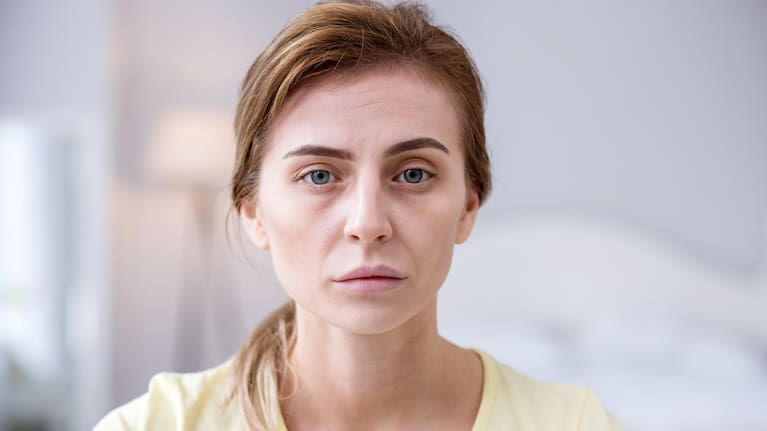
A few days later I was watching the Oscars and I was struck by how instead of the usual gushing (Angelina Jolie in Versace, 2012: “one leg changed the internet”), the sniping (Anne Hathaway in Prada, 2013: “awkward bust silhouette”), much of the red-carpet coverage was focussed on the size of the stars. How everyone from Nicole Kidman with her teeny-tiny insect arms to Melissa McCarthy with her snatched middle looked noticeably smaller. Smaller, and I thought, recalling my friend’s analogy of having spent the entire four months she’d been on Ozempic as like trying to read a book on a long and windy car drive, miserable. It’s called the “GLP-1 face”: rapid weight loss equals sunken-in cheeks equals unhappy resting face.
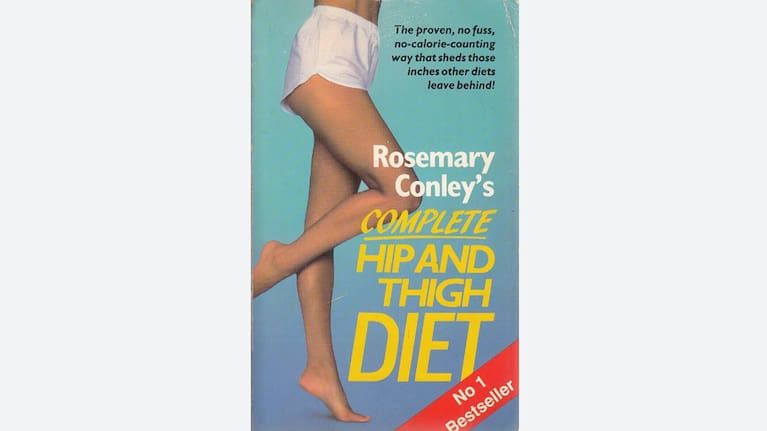
You can forget the body positivity of the past decade, apparently rail thin is back. Did it ever truly go away though. As a small child I can remember being aware of these crazy diets my mother and grandmother would be on, one week only eating cabbage soup, the next grapefruit. In my teens I gleaned tips from Dolly and Cleo magazines on how to “Drop a dress-size in two weeks!”. If you’re not naturally thin, getting thin and staying thin is hard work. Drop your guard for a week or two and those fought-for jutty-out bones will disappear back beneath a waiting fold of flesh. And now there’s this so-called “miracle” skinny drug, but the price to pay is feeling like crap.
From a surprisingly tender age girls learn to be hypercritical of their physical selves. And while, we may pretend otherwise, I would argue so we are of other’s, silently (and sometimes not so silently, thank you, social media) critiquing food choices, portion sizes, the appropriateness of an outfit on a particular figure. It’s little wonder so many women of my generation have such complicated relationships with food. Most of us have spent our whole lives judging and being judged, punishing and depriving ourselves, beating ourselves up.
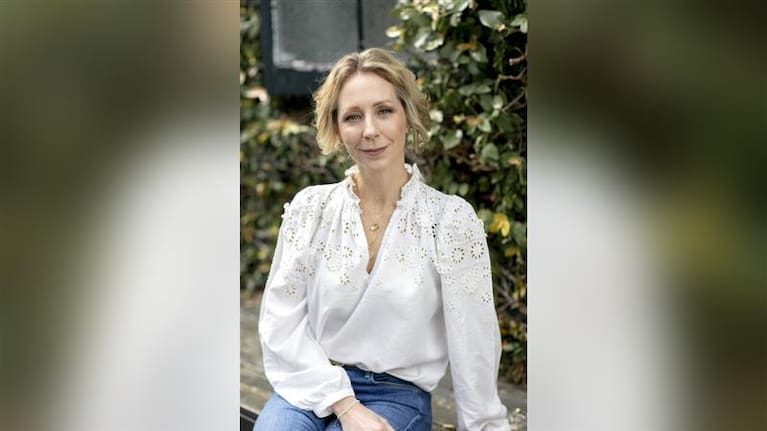
In both my novels, One of Those Mothers, and the about-to-be-released, Other People’s Bodies I use a character’s eating habits as a way of exploring their psyche, as illustration and explanation of their inner worlds. Partly because with all its implicit self-denial, control and obsessiveness, disordered eating is tantalisingly fertile ground for a writer, but also because I like to write about women and I’m not sure it’s possible to do so without addressing their feelings about their bodies and how they fuel them.
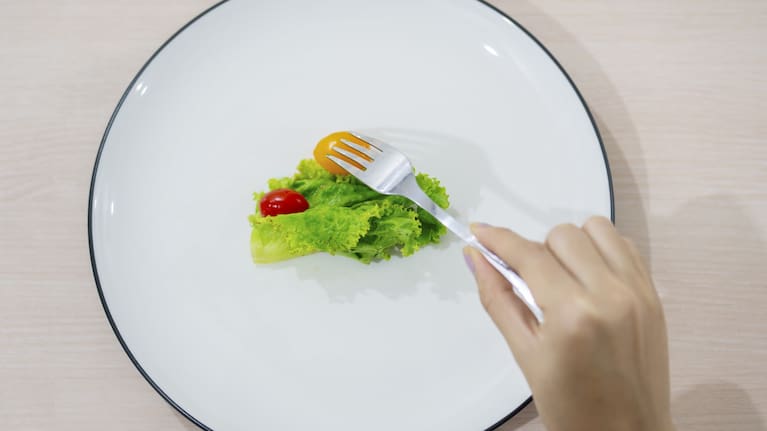
On a recent weekend away with six of my oldest and dearest girlfriends we swam, we ate, we drank, we discussed books, natural highs versus chemical and how we felt genuinely stumped who to vote for this election. And, like every other girls’ weekend I’ve ever been on, we talked about our bodies, comparing who eats what when, sharing fasting tips and exercise hacks. As a result, several were inspired to download Simple, an app which helps you track your way to better health, read: weight loss. Emotional support is provided by this fuzzy little guy called Blinky, a kind of Tamagotchi. At first it seemed like fun. They were logging the lettuce cups and lying about the three margaritas and everyone was happy, Blinky included. But as with any diet, after a week or two the novelty wore off and Blinky soon got forgotten. But Blinky didn’t go gently. Like some passive-aggressive friend or asshole of an ex-, Blinky started sending manipulative messages. (“Hope you and your unlogged snacks are happy without me.”) We laughed bitchily on our WhatsApp group chat when Blinky got resoundingly dumped. In women’s ongoing war with their bodies, it felt like an all too precious win.
Megan Nicol Reed’s latest novel Other People’s Bodies (published by Allen & Unwin NZ) is available now.
*The celebrities named in this story are not given as examples of GLP-1 medication use, but as a more general trend of weight loss.