
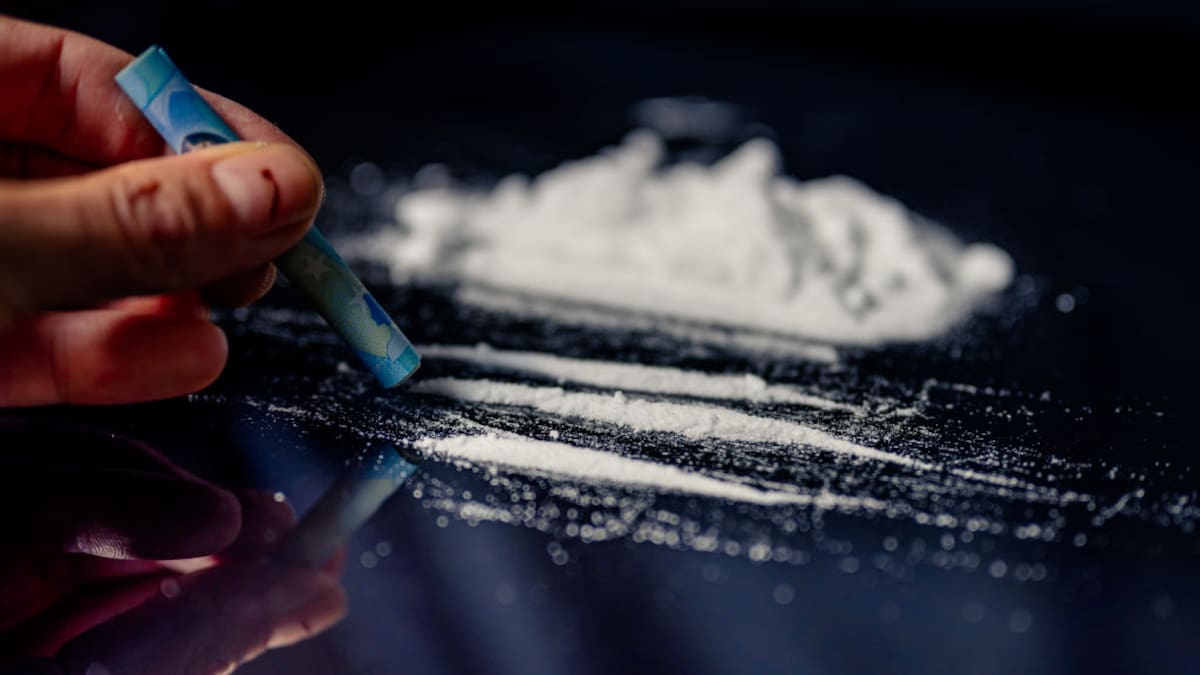
New Zealand Drug Foundation executive director Sarah Helm said the scale of the increases in methamphetamine and cocaine consumption was “unprecedented”.
Globally, cocaine is now the fastest-growing illegal drug market. The United Nations Office on Drugs and Crime reported that production reached a record 3708 tonnes in 2023, a 34% increase on the previous year.
Helm said those global trends were directly influencing New Zealand.
“In an unregulated black market, we are at the mercy of these global changes that can alter our drug supply very quickly.
“This increase in supply has increased availability in the community.”
The New Zealand Drug Trends Survey 2025 found 60% of people who used drugs said substances were “easy or very easy” to obtain, up from 22% in 2017-18.
Lower prices were also playing a role.
“As with anything people buy, lower prices usually mean increased access and consumption,” Helm said.
Data from the same survey show Gisborne and Hawke’s Bay had some of the lowest methamphetamine prices in 2025, at about $306 a gram.
Eastern district commander Superintendent Joel Lamb said officers were “disappointed” by the consumption increase in Hawke’s Bay.
“The results show a trend in the continued emergence of methamphetamine usage and supply across the district, along with the harm the drug causes.
“Cocaine, methamphetamine and MDMA remain the highest-used drugs in the district.”
While multiple factors influenced drug use, availability and pricing played a significant role, he said.
The Ministry of Health has recently released a four-year Action Plan to Prevent and Reduce Substance Harm, focused on early intervention, expanding the addiction workforce, improving access to support, and strengthening harm reduction measures such as drug checking and early warning systems.
Health New Zealand Hawke’s Bay group director of operations, David Warrington, said drug use was already placing pressure on local services.
“Substance use is closely linked with mental health distress and physical harm.
“This is reflected in Hawke’s Bay through demand on mental health, addiction and acute services, particularly crisis services and mental health inpatient care.”
Despite growing pressure, most people referred to services were still being seen within three weeks, Warrington said.
Hawke’s Bay, particularly Wairoa, had been identified as a priority area for investment, with new harm-reduction services expected to begin from July, including peer recovery support, screening and brief interventions in emergency departments and expanded treatment options.
The national action plan would also be reflected through initiatives such as crisis recovery cafes and peer-led support in emergency departments.
“Hawke’s Bay has been selected as a site for these services, which aim to provide earlier, peer-led support and reduce reliance on emergency departments,” Warrington said.
Helm said the plan was a step forward, but more changes were needed.
“We also need a more fundamental shift in our drug laws, and in the investment into addiction treatment and harm reduction.
“While these things won’t remove all problems, the evidence is clear that it would reduce the worst harms and provide us with more tools to tackle the increase in harm.
“If we continue doing more of the same, things will continue to get worse.”