
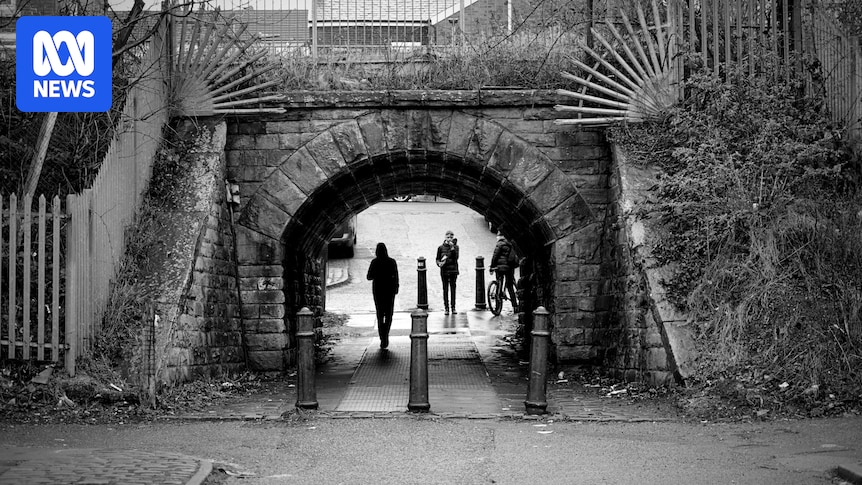
The Union Jack flutters on a telegraph pole.
Once a symbol of might and power it is now anything but in a modern and broken kingdom where poverty is rife and rising further.
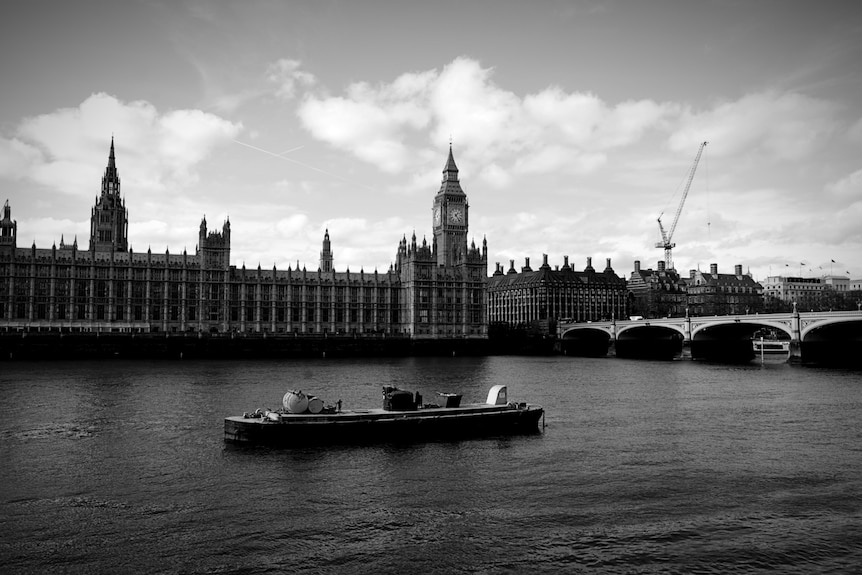 The UK is one of the richest countries in the world. (ABC News: Riley Stuart)
Modern Britain is a paradox.
The UK is still one of the richest countries in the world — a diplomatic power with a strong military and currency.
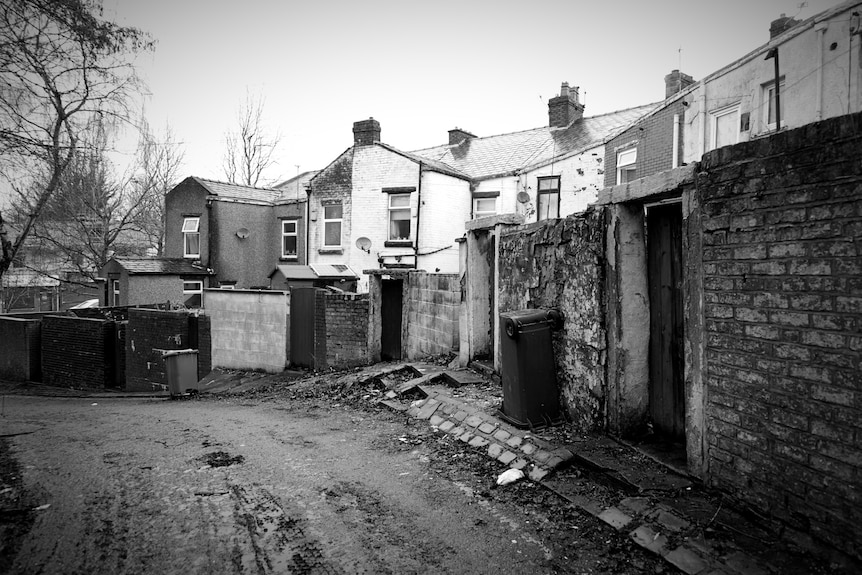 Residents 7.30 spoke to were ashamed and embarrassed that their life had reached a point of poverty.(ABC News: Riley Stuart)
But millions of its residents live on the breadline, struggling to heat their homes and buy food.
The streets are cracked and broken. Many are strewn with rubbish, and at night, the lights are off as councils struggle to pay bills in what has become a fallen empire.
 About half of the 200,000 residents in Hull live in state housing. (ABC News: Riley Stuart)
While royal scandal has dominated the headlines, it is poverty at an unforeseen rate that many Britons are battling, particularly outside of London.
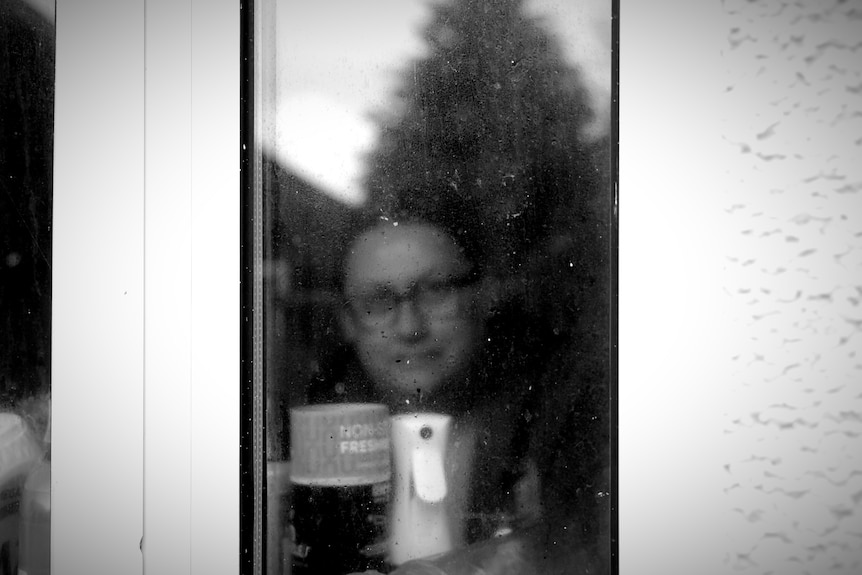
When 7.30 visits Hull, in the bitterly cold depths of the Northern English winter, Kirsti Murray and her 16-year-old son sit on the living room couch in their coats and cover themselves with heavy blankets, in an attempt to stay warm.
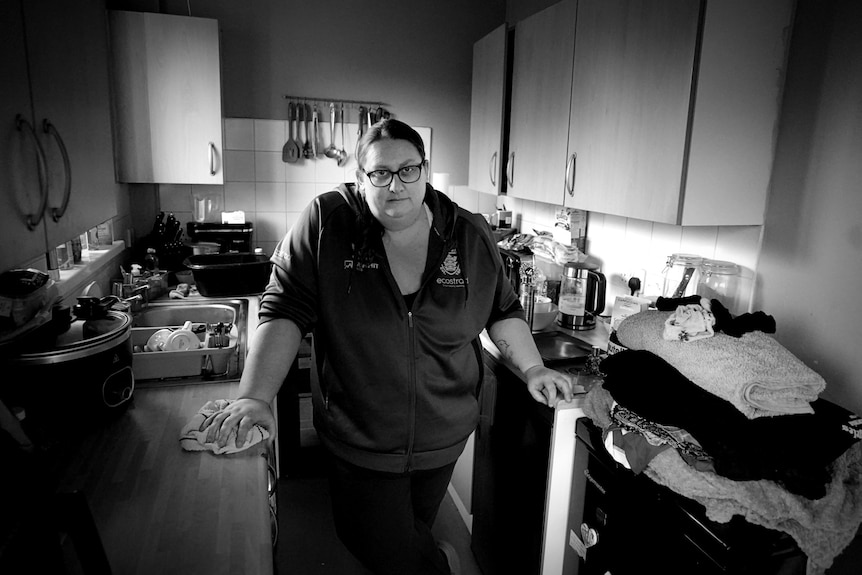 Kirsti Murray has lived in this small terrace for almost a decade with her teenage son, who has a disability.(ABC News: Riley Stuart)
“As a general rule, I don’t turn the heating on,” Kirsti tells 7.30.
The wafer-thin walls of their small council house do little to keep out the icy chill of the East Yorkshire air, but turning on the small radiator in the living room is a luxury they can’t afford.
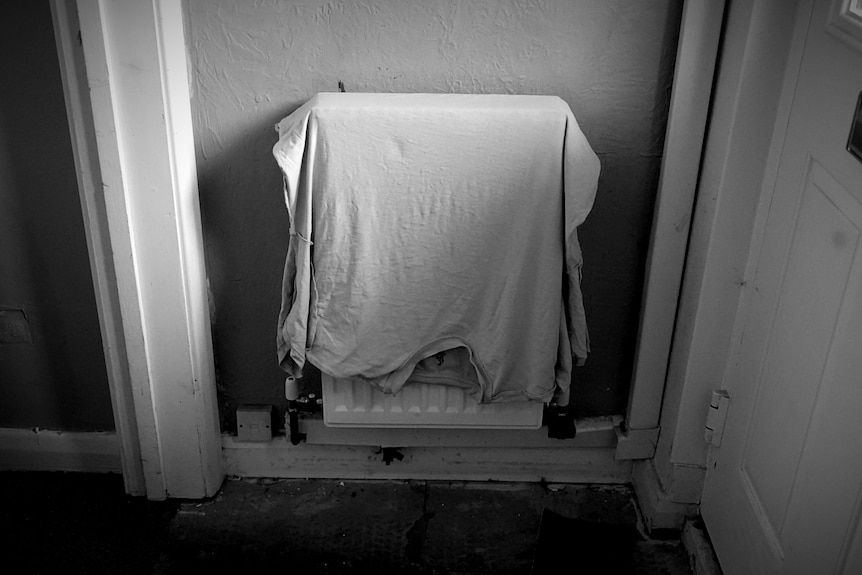 Kristi doesn’t turn on the heating in the house and relies on blankets and coats to stay warm.(ABC News: Riley Stuart)
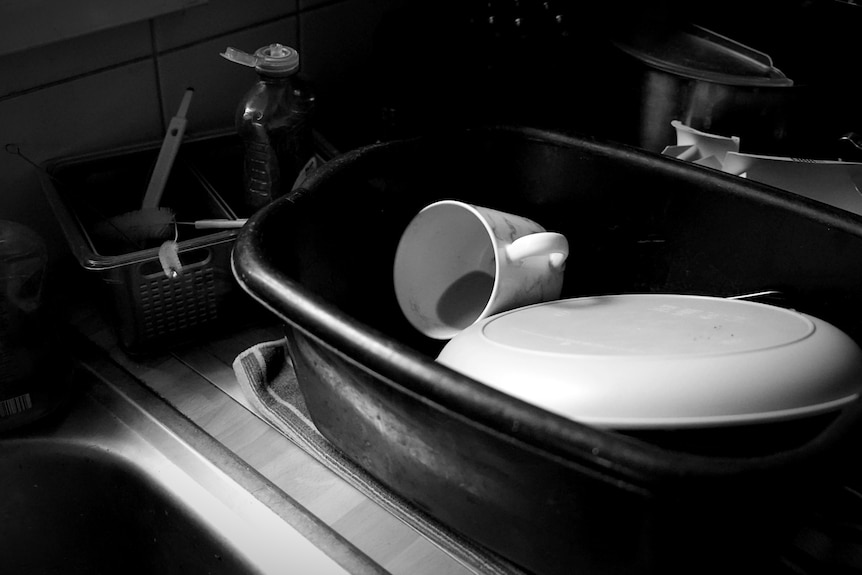 There have been times when Kirsti has gone without meals. (ABC News: Riley Stuart)
Dinner time can be stressful — often the 37-year-old will go hungry so her son, who has a severe disability, can eat.
“There’s been times when I’ve gone without, just to make sure that my son is alright, because he’s my priority, as long as he’s fed and sorted,” she says.
“You cannot save a penny.
“Even if you save it, something comes up, or you find every week your shopping’s getting dearer, your cleaning’s just getting dear, you live hand to mouth. It’s ridiculous.”
Across Britain poverty is on the rise, and living standards have been on a steady decline over the past decade.
Kirsti’s hometown of Hull is emblematic of a nationwide economic malaise and a trend in which poorer people are becoming even more destitute.
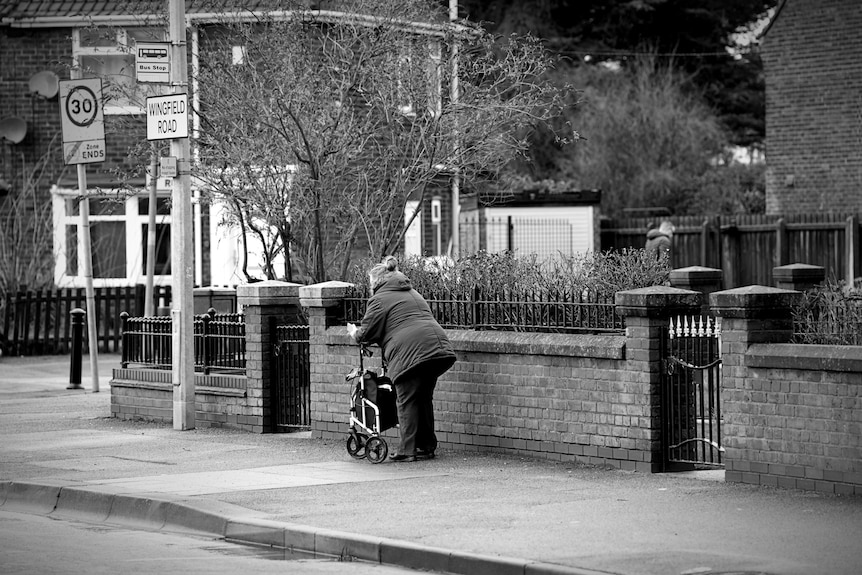 Hull is considered one of the poorest areas in the UK. (ABC News: Riley Stuart)
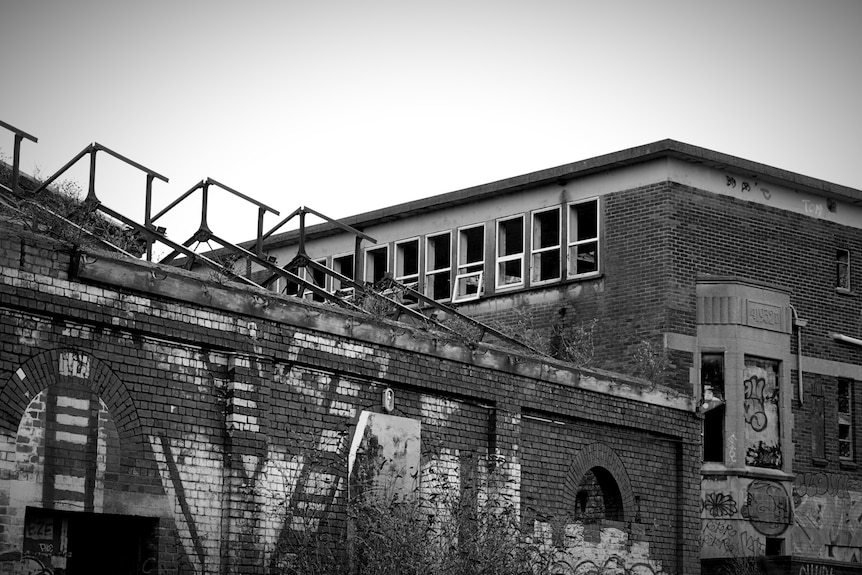 Hull is typically working-class and the city is struggling.(ABC News: Riley Stuart)
“A few years ago, it would have been just people on benefits living in poverty, and now it’s a lot more working people as well,” she says.
“At the end of the day, we’re all in the same boat. If you’re on benefits or working, it doesn’t make a difference; you’ve still got all the same bills.”
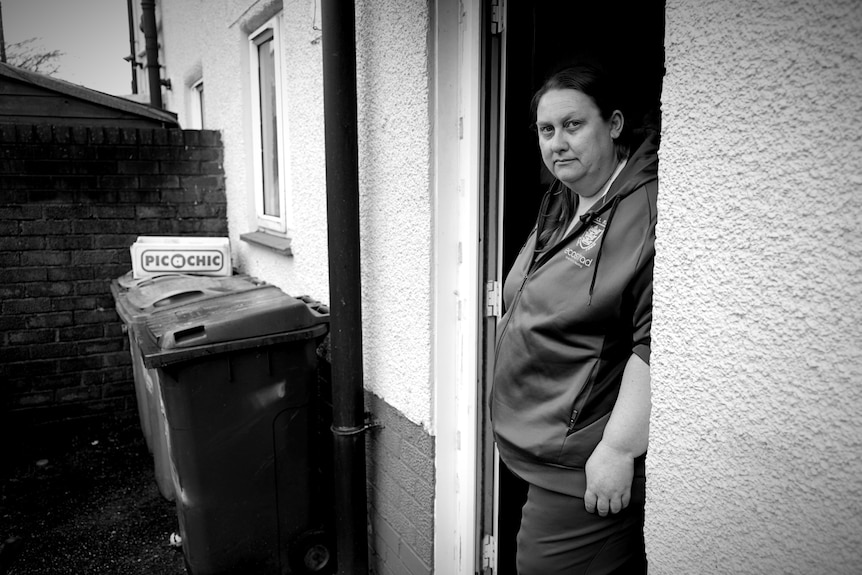 Kirsti wants to leave Hull but she can’t afford to. (ABC News: Riley Stuart)
Kirsti has lived in public housing for about a decade and has never been “well off” but says that since COVID, her savings have dwindled to nothing.
Her quality of life — worse than it’s ever been.
“Britain is broken and it’s not getting any better,” she says.
“I would pack up my bags and leave with my son if I could, because it’s like living in a nightmare.”
Kirsti’s gripes with her home country are many: Painfully long waitlists in the country’s crippled public health system, broke public councils and low wages and welfare payments that have not kept up with inflation.
Across the lake from Kirsti, where there are entire suburbs made up of housing estates, Jan Boyd runs a local food pantry.
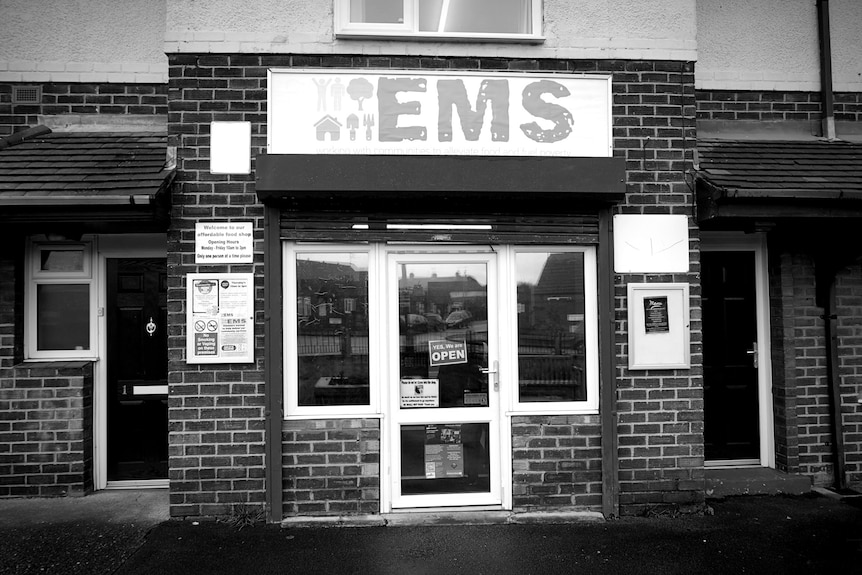 The local food pantry in Hull has been busier than ever.(ABC News: Riley Stuart )
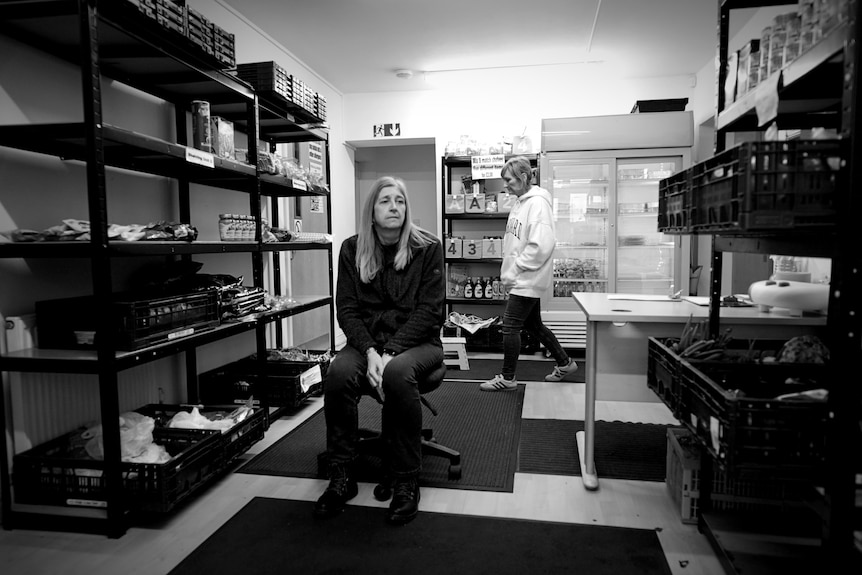 Jan Boyd has run the food bank since 2017. (ABC News: Riley Stuart )
For a coin donation, residents can buy cooked meals and fresh food, which can be a welcome change from the canned meals on offer at food banks.
Jan has run the facility since 2017 and says she has never been busier.
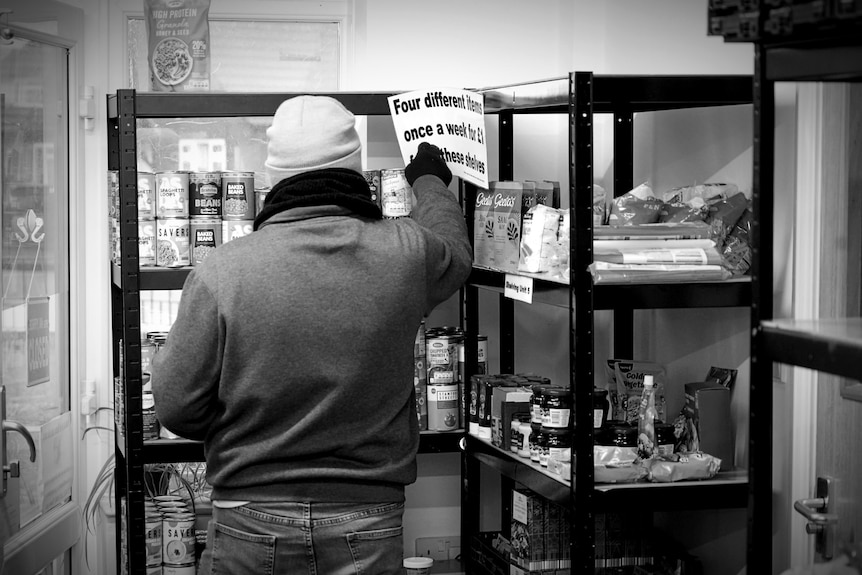 Jan Boyd says parents are regularly skipping meals to ensure their children are fed. (ABC News: Riley Stuart )
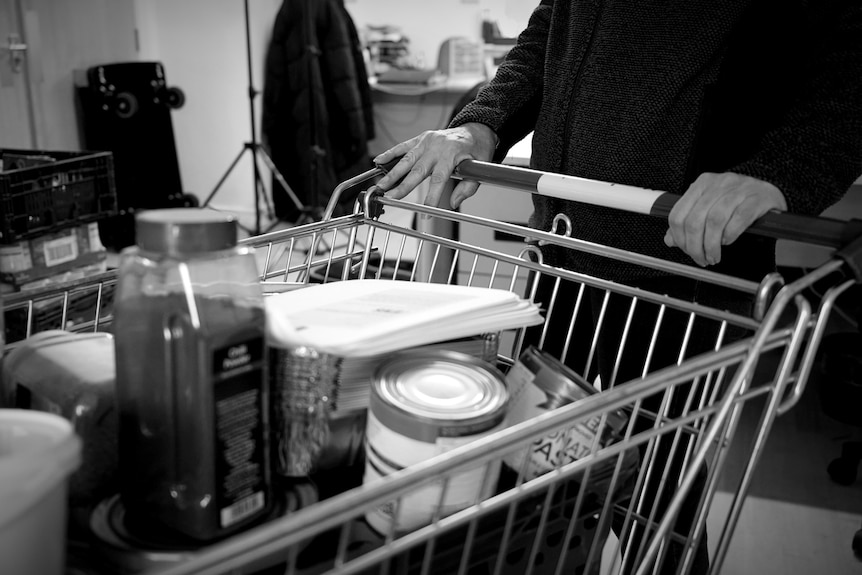 For a coin donation, residents can buy cooked meals and fresh food.(ABC News: Riley Stuart )
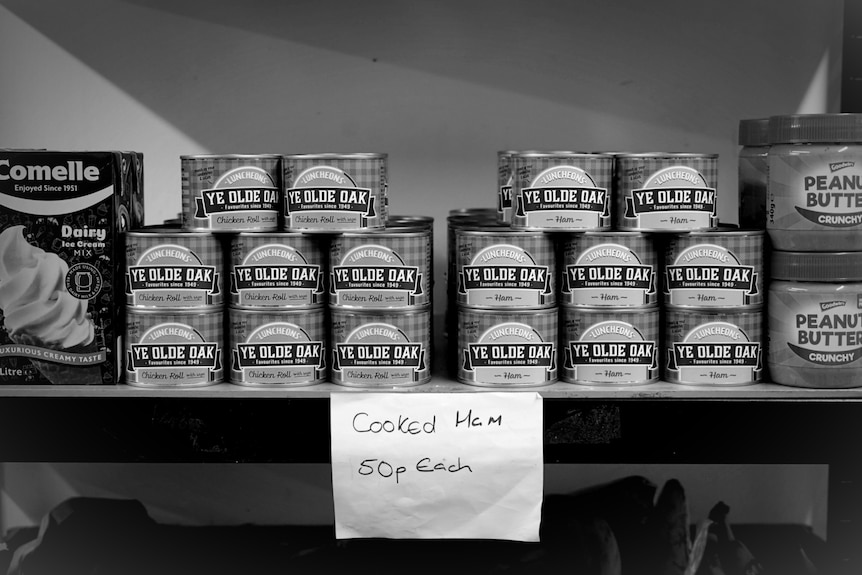 Canned meals are also on offer at the food bank.(ABC News: Riley Stuart )
“It’s a regular occurrence for parents to miss meals to feed their children, and it’s horrific that we are the sixth-richest country in the world and we’ve got parents skipping meals so they can ensure their children get fed,” she says.
“We as an organisation shouldn’t exist. We should not need to be here, and our partners around the city shouldn’t need to be here because people should be able to heat their homes and feed their children.
“It’s as simple as that.
“Everybody should have enough money to live on.”Shame, embarrassment and despair 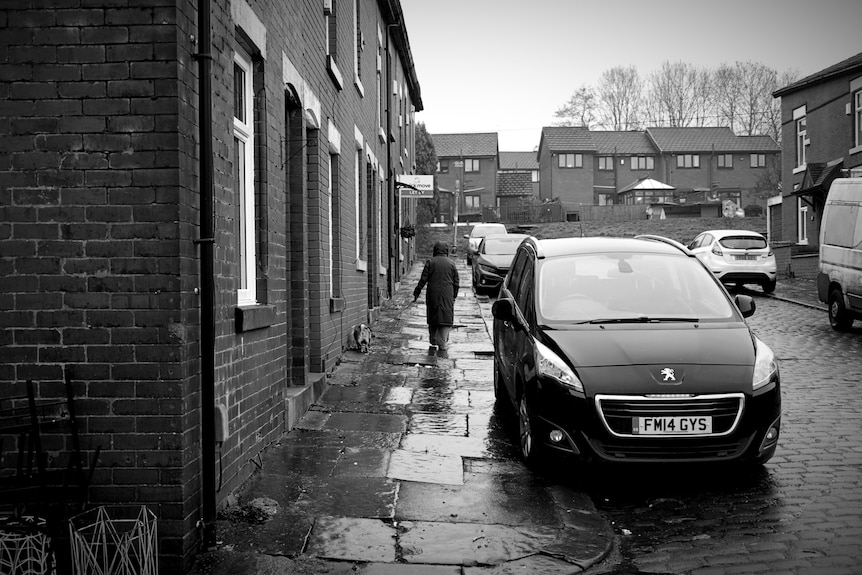 Blackburn is a working-class town.(ABC News: Riley Stuart)
Travelling across the north of England, 7.30 spent time speaking to residents of these rundown regions.
Most refused to speak with us on the record, citing shame and embarrassment that their lives had reached a point of poverty.
In the working-class Lancashire town of Blackburn, one woman, standing outside her small council terrace, dressed in a bathrobe and smoking a cigarette, said she would move away in a heartbeat, but was too broke to do it.
 Three decades ago poverty in the UK was reaching all-time highs.(ABC News: Riley Stuart )
Asked “What is life like here?”, she turned to us, expressionless, and stated in a thick Lancashire brogue: “F***ing shit.”
Worst times since Thatcher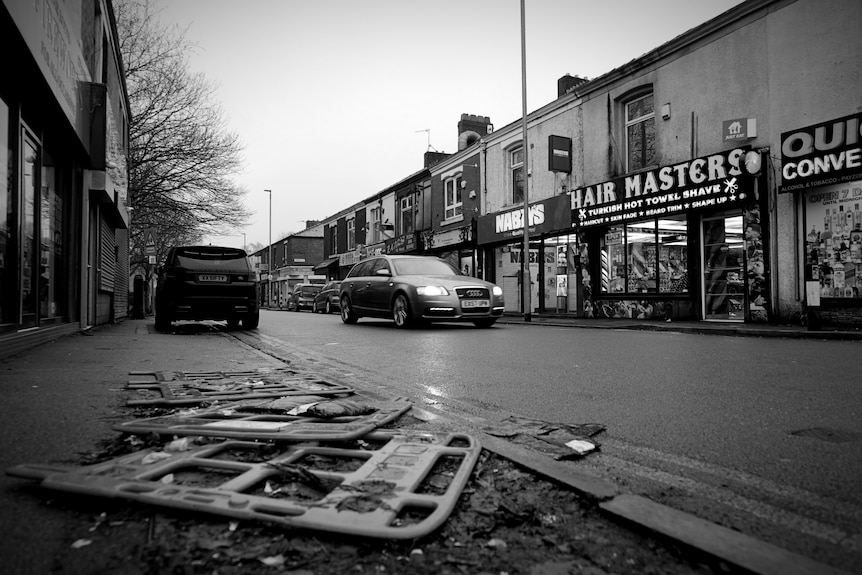 About half of the residents in Blackburn live in public housing. (ABC News: Riley Stuart)
On these streets, poverty seems ubiquitous.
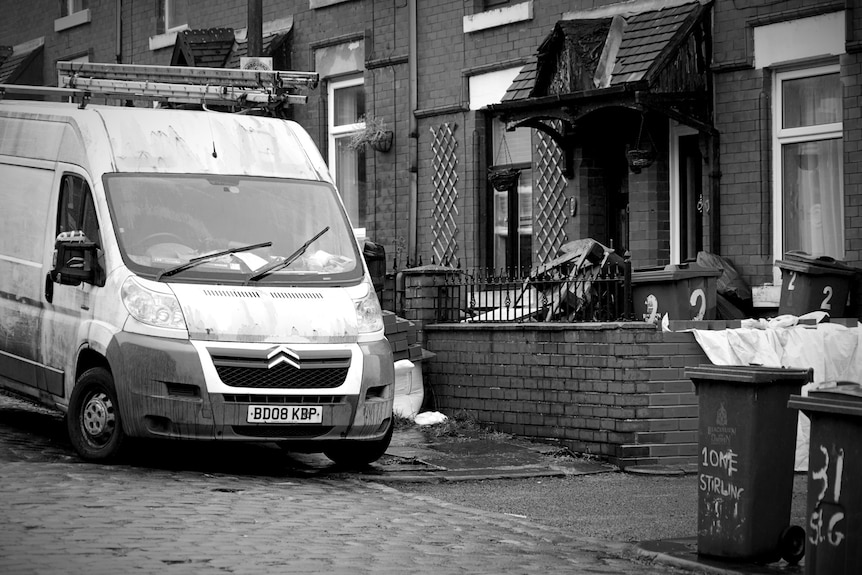 Residents are finding it hard to keep up with the cost of living.(ABC News: Riley Stuart )
In places like Blackburn and Hull, about half of the residents live in public housing.
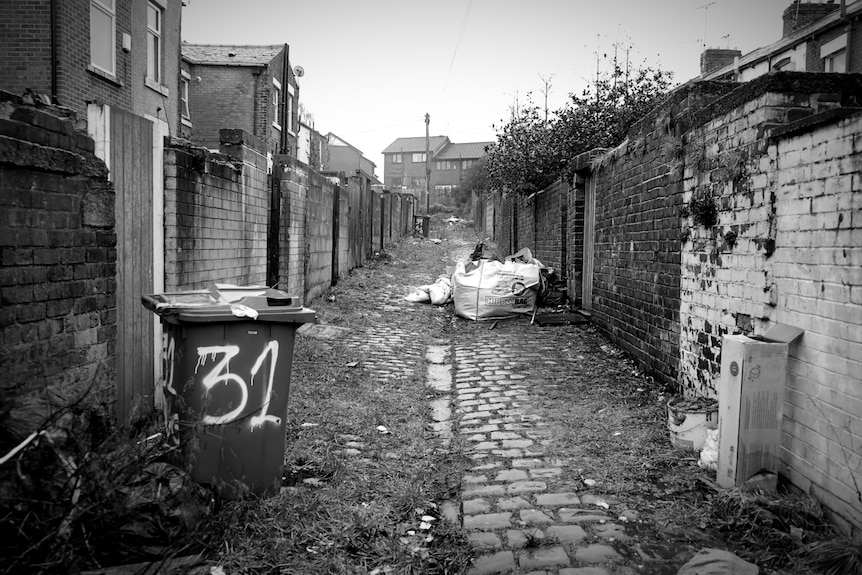 About 14 million residents in the UK live in poverty, according to the Joseph Rowntree Foundation.(ABC News: Riley Stuart)
Across the UK, that figure is closer to 20 per cent, according to the country’s latest census data from 2021.
About 14.3 million of the UK’s approximately 69 million residents live in poverty, according to the Joseph Rowntree Foundation, a not-for-profit charity and research organisation.
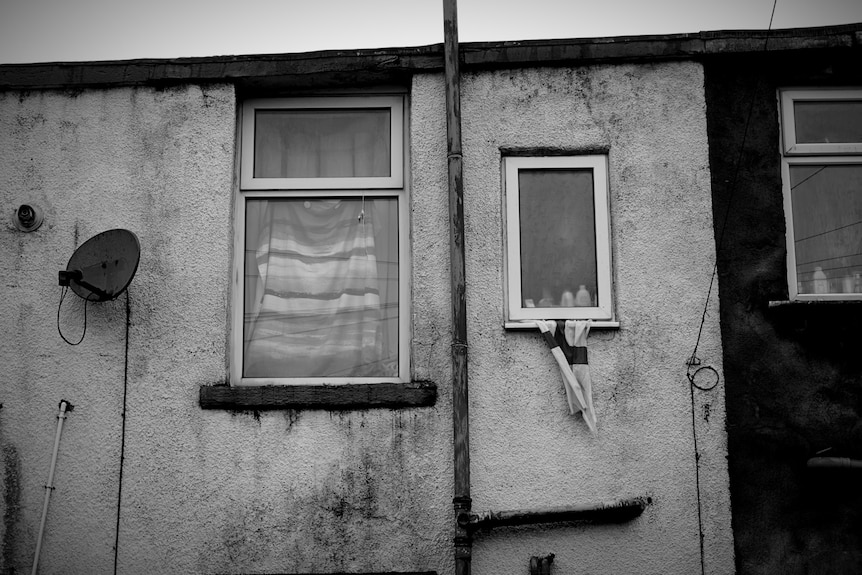 Budget cuts have crippled local councils and their services. (ABC News: Riley Stuart)
Half of those people are considered to be in “very deep poverty”, which is classified as a family with two children earning £16,400 ($31,608) or less a year.
Britain’s wider economy is under enormous pressure.
UK broadsheet the Financial Times recently analysed OECD data and found that without London, the UK’s GDP is equivalent to that of the United States’ poorest state, Mississippi.
Joseph Rowntree’s chief analyst Peter Matejic wrote in a recent report that: “Poverty in the UK is still not just widespread, it is deeper and more damaging than at any point in the last 30 years”.
Three decades ago poverty in the UK was reaching all-time highs, with Scotland, Wales and England’s north the hardest hit, after prime minister Margaret Thatcher’s policies wiped out large swathes of the industrial workforce during her decade in power.
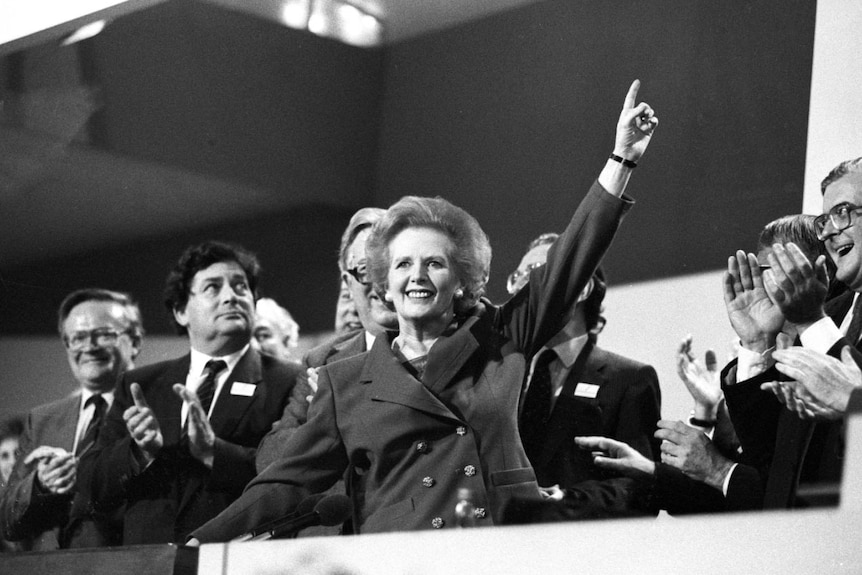 Under Margaret Thatcher’s leadership, much of the UK manufacturing industry moved offshore. (Reuters)
The effect of the Iron Lady’s policies lingered longer though, lasting well into the 1990s.
In that era, cuts to local government spending forced cash-strapped councils to outsource many of their services to private contractors.
Modern-day austerity cuts have also crippled local councils, where spending on local services is 18 per cent lower per person than in the early 2010s.
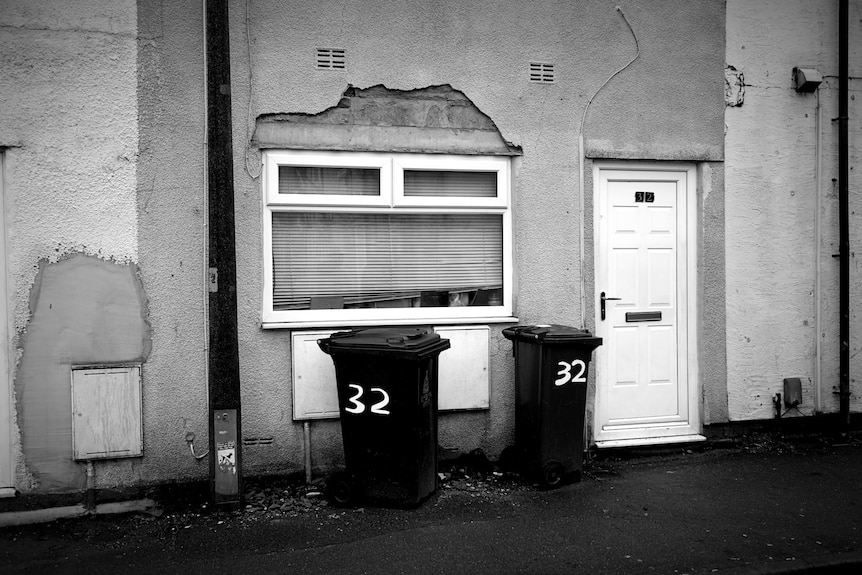 Without London, the UK’s GDP would be lower than that of the US’s poorest state, Mississippi. (ABC News: Riley Stuart)
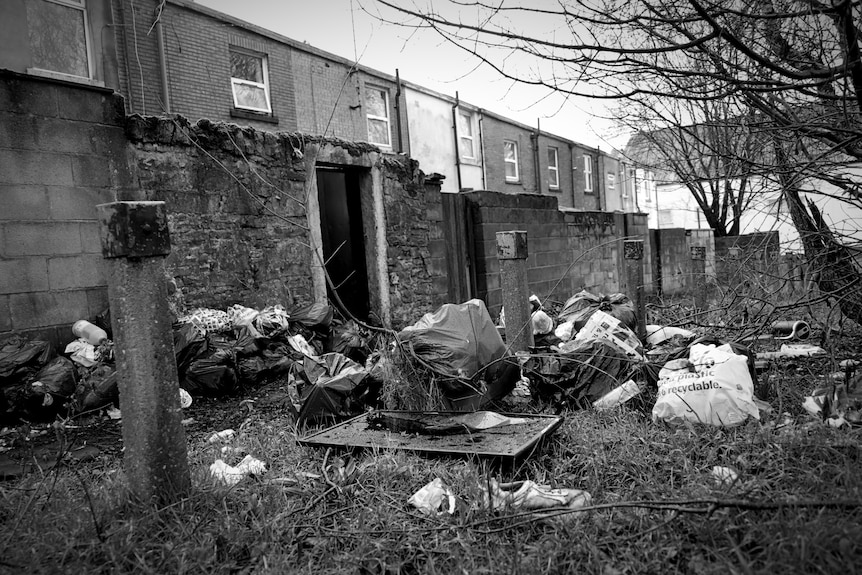 Signs of neglect are visible in poorer neighbourhoods.(ABC News: Riley Stuart )
In the Midlands city of Birmingham, street lights are switched off to save money, and many other councils skip rubbish collections or cut museum or library opening hours to save cash.
After continued cuts from successive Tory governments in the 2010s, many councils are reporting that they simply had no fat to trim, and essential services were cut or reduced.
Investment in the country has also decreased since COVID.
Productivity has been on a steady decline since the 2008 market crash and real wages have gone backwards.
And while the public health system, the NHS, has been largely protected from funding cuts in the last decade, it is under enormous staffing strains — almost anyone you speak to in the UK laments the seemingly endless wait times and bureaucratic service.
That, combined with a steep rise in the cost of living, has led to a common perception that a good life in Britain is becoming impossible.
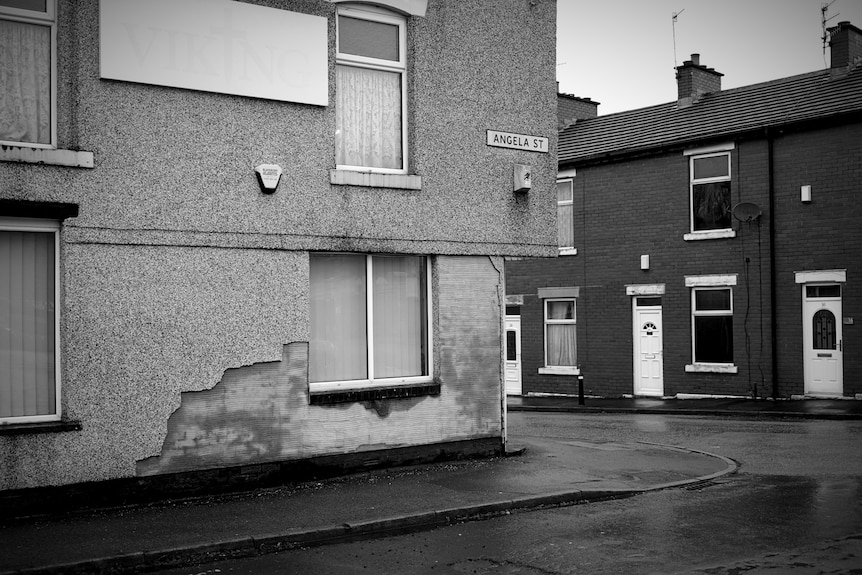 The poor are getting poorer in towns like Blackburn. (ABC News: Riley Stuart)
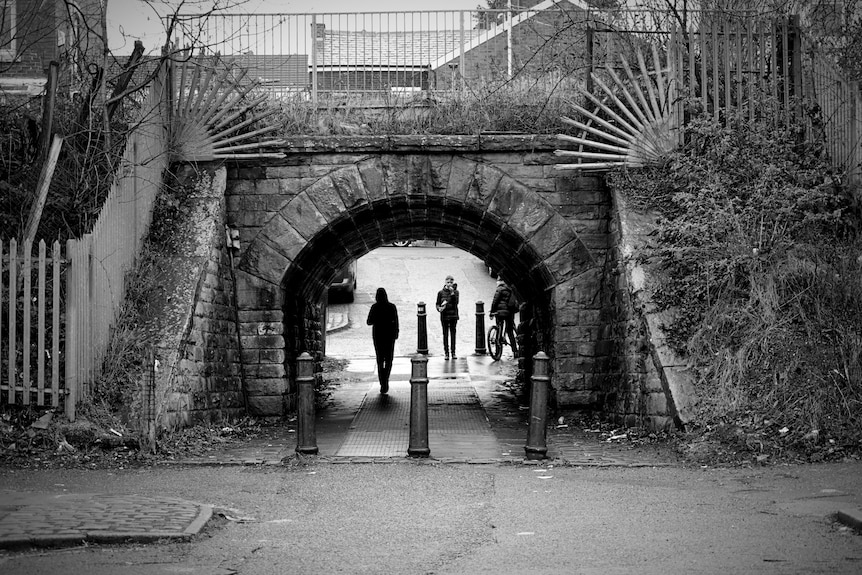 Millions of British families are in “very deep poverty” and live on less than £16,400 a year.(ABC News: Riley Stuart)
Stuart McAnulla is a politics professor at the University of Leeds and has researched the economic trends and their subsequent cultural impacts.
“There was a feeling that in the 1980s, a lot of the economic steps that were taken … privileged the interests of finance in the centre of London and tax cuts that tended to favour the already affluent,” he says.
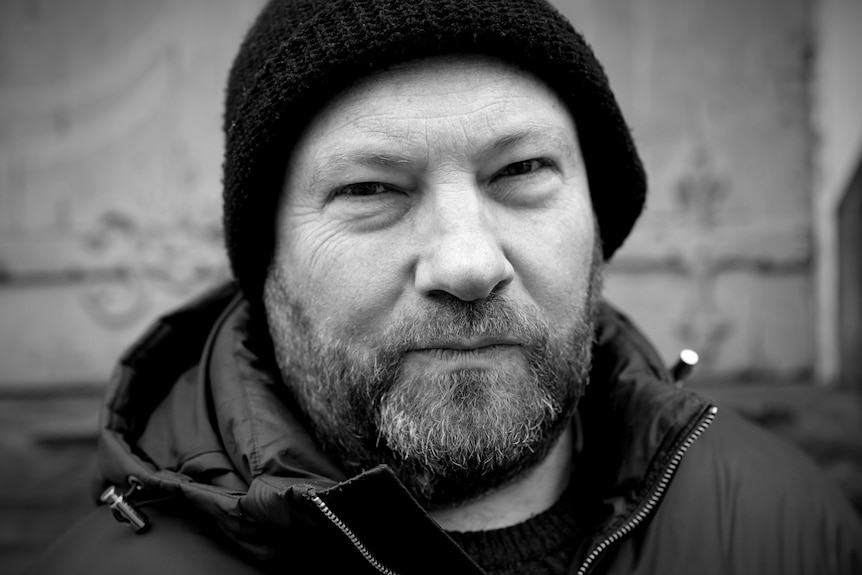 Stuart McAnulla is a politics professor at the University of Leeds.(ABC News: Riley Stuart)
“Crucially, I think you’re looking at the sort of economic impacts of deindustrialisation in parts of the north of England — people feeling that they’re losing out, feeling that they haven’t gained from globalisation in the way that they were promised they might be. And so they’re simply looking for an alternative now.”
‘Fed up’ Britons turn to Reform
As living standards decline, political affiliations have shifted as well.
In July 2024, Labour won the national election in a landslide. Now, Prime Minister Sir Keir Starmer is experiencing record-low polling and is clinging to his job amidst various scandals engulfing Number 10.
Reform UK, led by the divisive and staunch anti-immigration campaigner Nigel Farage, is now leading the national polls.
In England’s north, once a Labour heartland, Reform is now a major political force.
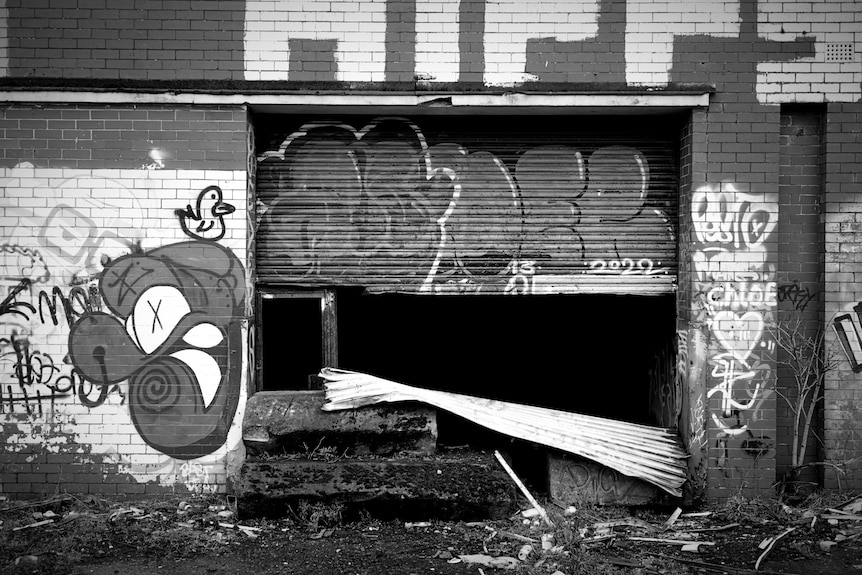 Reform’s message is cutting through in cities like Hull. (ABC News: Riley Stuart)
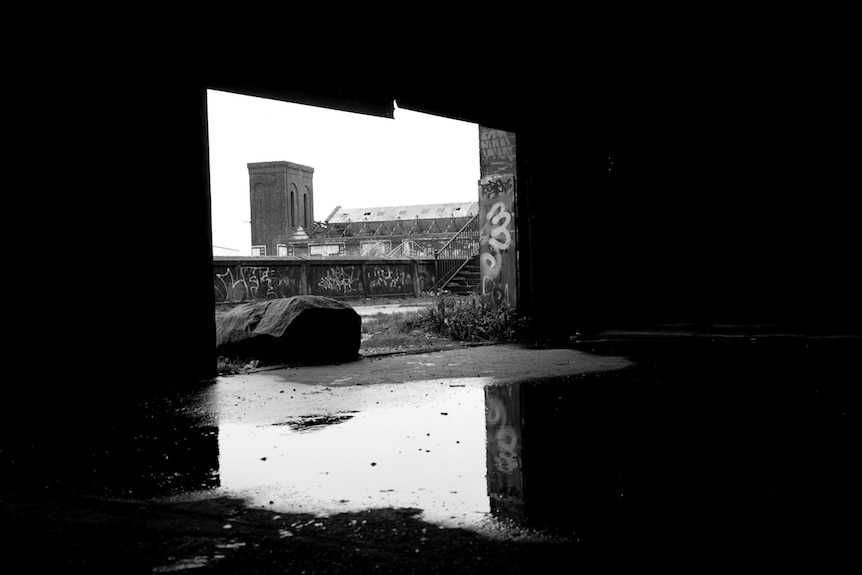 Hull was once a traditional Labour heartland but recently elected a Reform UK mayor. (ABC News: Riley Stuart)
Hull recently elected a Reform UK mayor in Olympic gold medallist boxer Luke Campbell.
The former featherweight grew up in Hull’s council estates but moved to London and then Miami once he had made it as a prize-fighter.
He tells 7.30 he returned to his hometown to support his family.
“I personally think that people were fed up with politicians and they wanted something different,” he says
“I’ve got a sporting background, I’ve no experience in politics, and I was always very clear about that, and I’ve always been involved in the community.”
Luke won the election in a landslide.
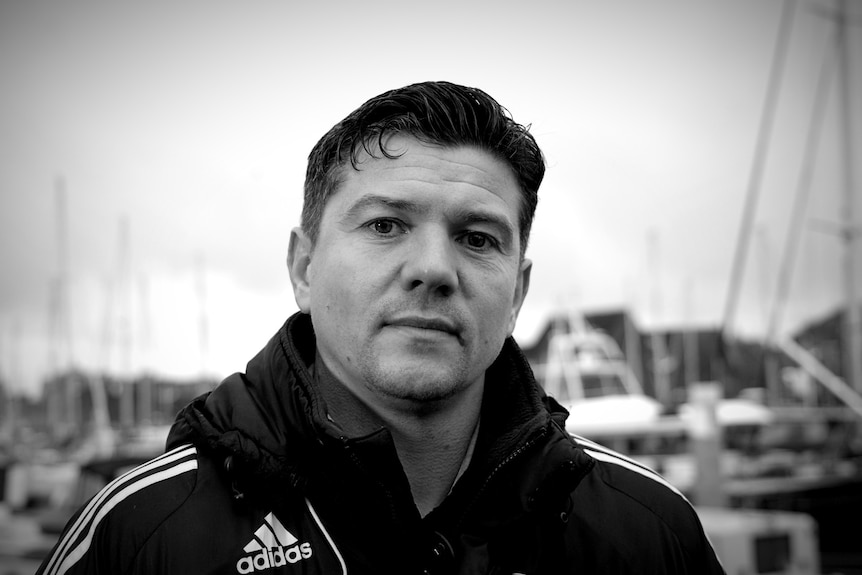 Luke Campbell ran as a Reform UK candidate in the mayoral election and won in a landslide. (ABC News: Riley Stuart)
“I think we needed something different, and that was my choice, and I thought there were some people who voted for me because of who I am,” Luke says.
“People also voted [for Reform] because they wanted change and something different as well.”
Reform is promising to lift the “forgotten Britons” out of the economic mire and fix Britain’s struggling economy.
But critics say its hardline stance on immigration and other social issues has stoked division and dog-whistled to racists.
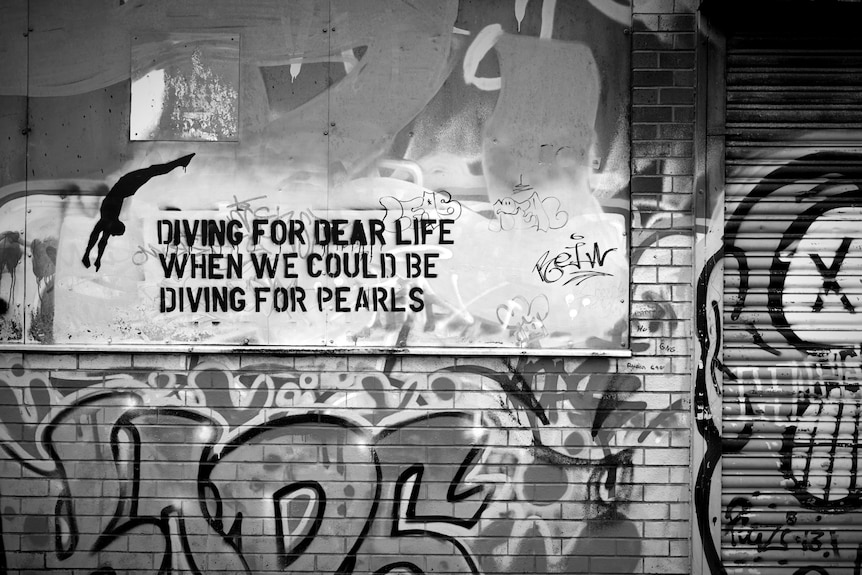 Reform is rapidly gaining momentum as residents lose patience with the political establishment.(ABC News: Riley Stuart )
Populism on the left is also making political headway.
The Greens recently won the constituency of Gorton and Denton in a fiercely contested by-election in the greater Manchester area.
The seat was held by Labour for more than a century and in her acceptance speech, winning candidate Hannah Spencer said Britons struggling with the cost of living were fed up with the status quo.
“Things have changed a lot over the last few decades because working hard used to get you something. It got you a house, a nice life, holidays, it got you somewhere,” Ms Spencer says.
“The people who work hard but can’t put food on the table, can’t get their kids school uniforms, can’t put their heating on, can’t live off the pension they worked hard to save for, can’t even begin to dream about ever having a holiday, ever.
“Life has changed. Instead of working for a nice life, we’re working to line the pockets of billionaires.”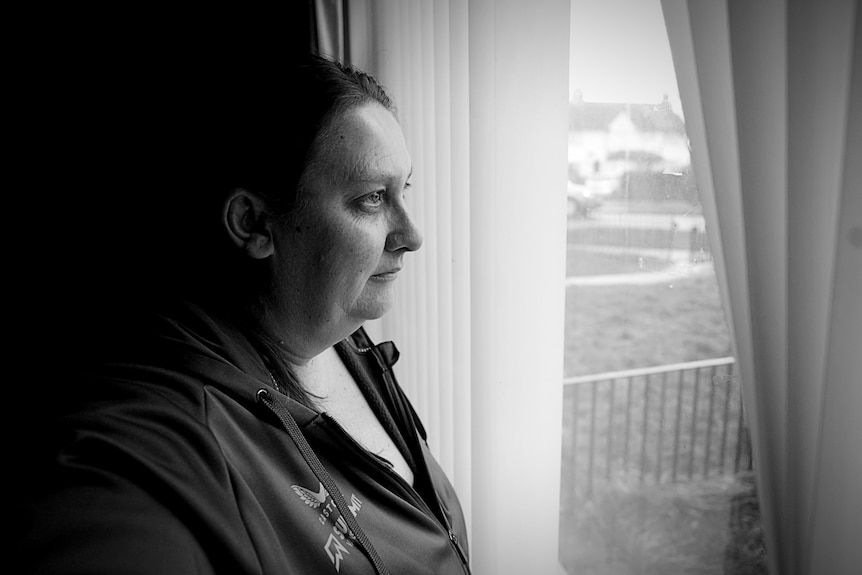 Kirsti Murray doubts any politician can make meaningful change. (ABC News: Riley Stuart)
In Kirsti Murray’s small front room, we discuss politics and whether she thinks these new political movements can “save Britain” like both sides are promising.
“It’s absolute rubbish,” she says.
“Until you’ve lived it, you don’t know.”Credits:
Reporter: Elias Clure
Photography: Riley Stuart
Digital production: Jenny Ky
Editor: Paul Johnson
Watch 7.30, Mondays to Thursdays 7:30pm on ABC iview and ABC TV
Contact 7.30
Do you know more about this story? Get in touch with 7.30 here.