
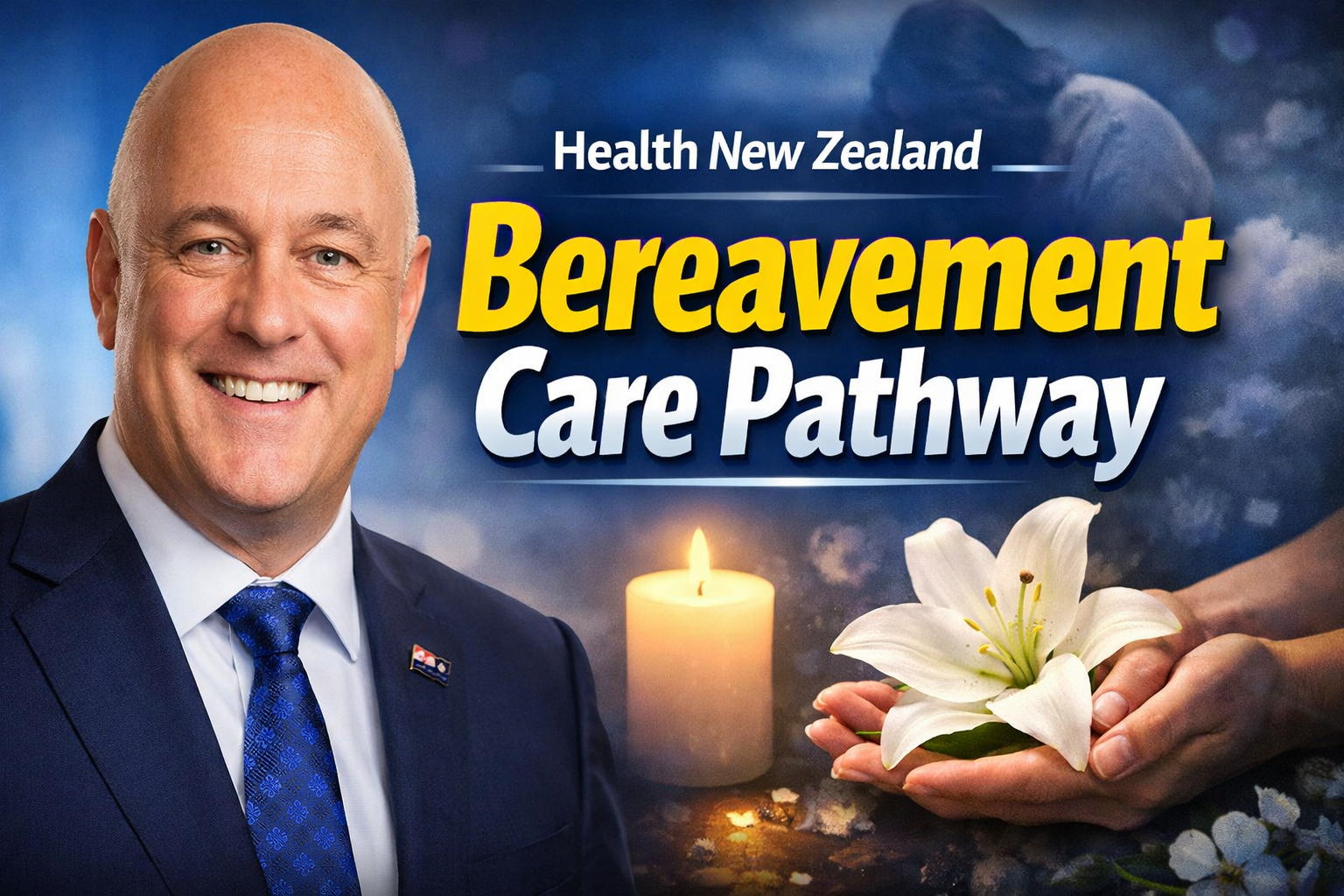
Pregnancy loss strikes silently and profoundly, affecting hundreds of whānau across Aotearoa each year, from early miscarriages to stillbirths and beyond. Health New Zealand, known as Te Whatu Ora, has championed a National Perinatal Bereavement Care Pathway to deliver consistent, culturally responsive support, ensuring no family navigates grief alone. This comprehensive framework transforms fragmented services into a seamless journey of compassionate care, honoring Māori values like whanaungatanga and manaakitanga while addressing inequities head-on.
Foundations of the Bereavement Care Pathway
The pathway emerges from urgent calls by the Perinatal and Maternal Mortality Review Committee, which spotlighted patchy support and cultural gaps in bereavement services. Affecting roughly 700 to 900 whānau annually from stillbirths alone, plus thousands more from earlier losses, it standardizes care from diagnosis through long-term healing.
Core Principles Guiding Support
At its heart, the pathway prioritizes equity, recognizing Māori and Pasifika whānau face higher risks and often receive suboptimal care. It mandates individualized plans, clear communication, and whānau involvement, drawing from lived experiences shared in national surveys. Services span hospitals, community providers, and iwi networks, creating a holistic net.
Key elements include immediate emotional containment, memory-making rituals like handprints or naming ceremonies, and follow-up counseling. Providers train in trauma-informed practice, ensuring sensitivity to spiritual needs—karakia, whakawhanaungatanga sessions, or connections to tohunga.
Evolution from Research to Reality
Research like the Whakarongorau report gathered voices from bereaved whānau, revealing disparities: rural families waited longer for autopsies, urban ones struggled with follow-up. International models from Australia and the UK inspired dedicated bereavement suites—quiet rooms away from maternity wards—and standardized protocols. Te Whatu Ora’s Technical Advisory Group, blending clinicians, whānau reps, and cultural experts, finalized design phases by early 2025, rolling out tools nationwide.
Stages of the Care Pathway
The pathway unfolds in clear phases, mapping every step to prevent whānau from falling through cracks.
Upon diagnosis—whether via ultrasound for early loss or delivery for later ones—staff activate the pathway instantly. A lead coordinator assigns a dedicated midwife or nurse, offering private space and time to process shock. Honest discussions cover options: expectant management, medical induction, or surgical intervention, always framed with whānau input.
Memory-making kicks in swiftly: photos, locks of hair, footprints, or pēpi’s hand-knit garments from hospital stock. For Māori whānau, protocols respect tapu, facilitating immediate hīkoi to marae or whānau-led tangi.
Acute Bereavement Phase
In the first days, focus shifts to physical recovery and emotional stabilization. Pain management, infection checks, and lactation suppression happen alongside grief counseling. Whānau receive a personalized booklet outlining next steps, contacts for Sands NZ or Maternal Mental Health services, and legal info on birth registration—even for pre-20-week losses.
Discharge planning includes home visits and peer support links. Cultural brokers ensure Pasifika families access church networks or fale tele’a, while Pākehā whānau connect to secular groups.
Here’s a breakdown of key support milestones:
PhaseKey ActionsCultural ConsiderationsDuration/TimelineDiagnosis & ContainmentPrivate disclosure, memory keepsakesKarakia, whānau summoningImmediate (hours)Hospital StayCounseling, physical care, planningTapu protocols, tohunga access1-5 daysDischarge & Follow-UpHome visits, mental health referralMarae hīkoi, iwi liaison1-6 weeksLong-Term HealingSubsequent pregnancy support, groupsRōpū pēpi mate, annual ritualsOngoing (months-years)
This table illustrates the structured yet flexible timeline, adapting to individual needs.
Cultural Responsiveness in Aotearoa
New Zealand’s bicultural framework demands care that honors Te Tiriti o Waitangi, weaving Māori concepts throughout.
Māori-Centered Bereavement Practices
Māori view loss as a whānau affair, not individual tragedy. The pathway embeds tikanga: pōwhiri for entering bereavement spaces, waiata composed for pēpi, and guidance on returning whenua to earth per iwi kawa. Disparities shrink through targeted training—over 80% of providers now complete cultural competency modules.
Iwi partnerships, like those with Ngāti Whātua in Auckland, co-design services, ensuring whakapapa links persist post-loss.
Pasifika and Diverse Needs
Pacific communities, overrepresented in loss stats, benefit from tailored pathways: Samoan aiga gatherings, Tongan fatongia support, or Cook Islands ‘īmene for farewell. Interpreters bridge languages, while rainbow whānau access affirming counselors versed in non-traditional family structures.
Addressing Inequities and High-Risk Groups
Māori babies face double the stillbirth rate of others, tied to systemic factors like poverty and maternity underfunding. The pathway tackles this via equity audits—prioritizing high-needs areas like Northland or South Auckland—and free transport to services.
Rural and Remote Challenges
Isolated whānau endure longer waits for transfers or autopsies. Telehealth bridges gaps for initial counseling, while mobile bereavement units deploy to marae. Starship Hospital’s neonatal team extends reach via video for tiny losses.
Subsequent Pregnancies
Fear shadows future conceptions; 40% of whānau report anxiety. Specialized clinics offer enhanced monitoring, mental health bridges, and “rainbow pregnancy” plans—extra scans, peer mentors, and rituals to honor both lost and new pēpi.
Multidisciplinary Team Roles
Success hinges on collaboration: Lead midwives coordinate, obstetricians handle medical choices, social workers link community aid, and kaumatua provide spiritual guidance.
Training and Resources
Annual upskilling covers compassion fatigue prevention, with simulations mimicking real scenarios. Tools like the Bereavement Care Pathway app deliver checklists, whānau feedback forms, and 24/7 helplines. Charities like Baby Loss NZ amplify reach, hosting remembrance events like Candlelight vigils.
Measuring Success and Ongoing Refinement
Early pilots show promise: whānau satisfaction up 25%, fewer complaints, and faster mental health access. Metrics track readmissions, counseling uptake, and cultural safety scores, feeding into annual reviews.
Pathways extend beyond hospitals—GP referrals, PlunketLine grief modules, and school programs normalize talking about loss. Annual reports from Te Whatu Ora benchmark progress, adapting to emerging needs like climate-driven relocations stressing remote whānau.
Personal Stories of Healing
Whānau voices shaped the pathway. One Auckland kōhanga mum shared how a simple naming ceremony mended her spirit, letting her return to teaching. A rural Taranaki couple praised home visits that honored their pēpi’s tangi, weaving loss into whakapapa.
These testimonies underscore impact: grief honored becomes legacy.
Broader Impacts on Maternity Services
This pathway elevates all maternity care, fostering empathy across specialties. It aligns with national guidelines like induction protocols and pre-eclampsia management, creating a cohesive system.
Funding boosts—millions allocated post-2023 reports—sustain momentum, training 2,000+ staff yearly.
Looking Forward: A Legacy of Compassion
Te Whatu Ora’s Bereavement Care Pathway redefines pregnancy loss support, turning tragedy into tapu-respecting journeys of whānau strength. From Auckland hospitals to remote marae, it ensures every pēpi matters, every loss heals collectively.
In Aotearoa, where whakataukī remind us “Ehara taku toa i te toa takitahi”—my strength is not mine alone—this framework embodies collective care. As it embeds nationwide, bereaved whānau find not just survival, but revival, carrying mana forward.

Emma Brooks is a contributing writer at richlittleragdolls.co.nz, covering news, community updates, and trending stories across New Zealand and Australia. Her work focuses on delivering clear, accurate, and reader-friendly reporting that helps audiences stay informed about regional and national developments.