
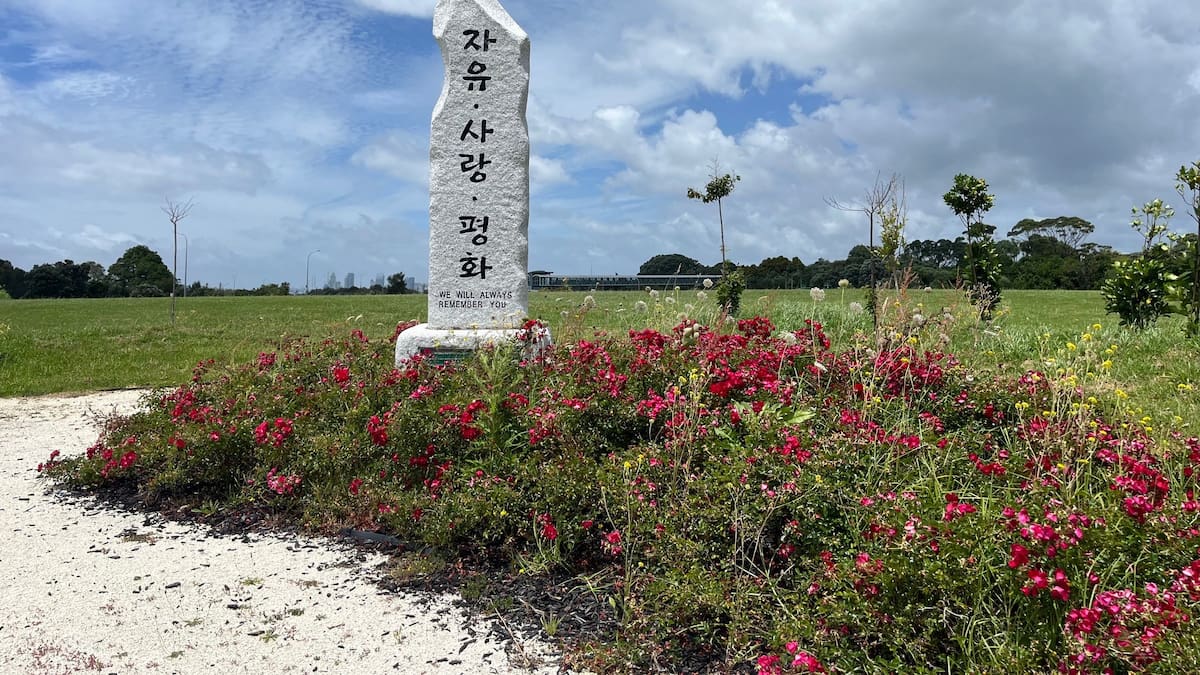
Between 1932 and 1945, hundreds of thousands of women and girls across Asia were forced into sexual slavery by the Imperial Japanese Army, with victims being euphemistically referred to as “comfort women”.
More than 600 people made public submissions on the statue when it went out to consultation with more than 70% of submissions coming from the Korean and Japanese communities.
More than 600 people have given feedback to the proposed statue. Photo / Auckland Council
The Devonport-Takapuna local board will make the final decision late this month.
Geopolitical analyst Geoffrey Miller said there was a depth of feeling on both sides, and he did not envy the local board in having to make the decision.
“Whatever is decided … obviously someone will be unhappy.”
Miller said it was good that Japan had had its say on the issue, but it shouldn’t be the only thing considered.
“I don’t think it’s a great process to allow the Japanese Embassy a veto on whatever decision is made here. In the end, this is a Korean garden. It is a chance for Korean New Zealanders to have this as their space.
“There will be other parts of New Zealand that are reserved for the Japanese community and what they find meaningful.”
Jacob Jones is a Newstalk ZB reporter working out of the Auckland newsroom. He has an interest in council and local government issues.