
BNZ economists remain the most hawkish, picking a rate rise at the September review (although this is a position they held before the Iran conflict).
ANZ and ASB economists still see the RBNZ holding on until December.
Westpac forecasts one hike “by the end of the year”.
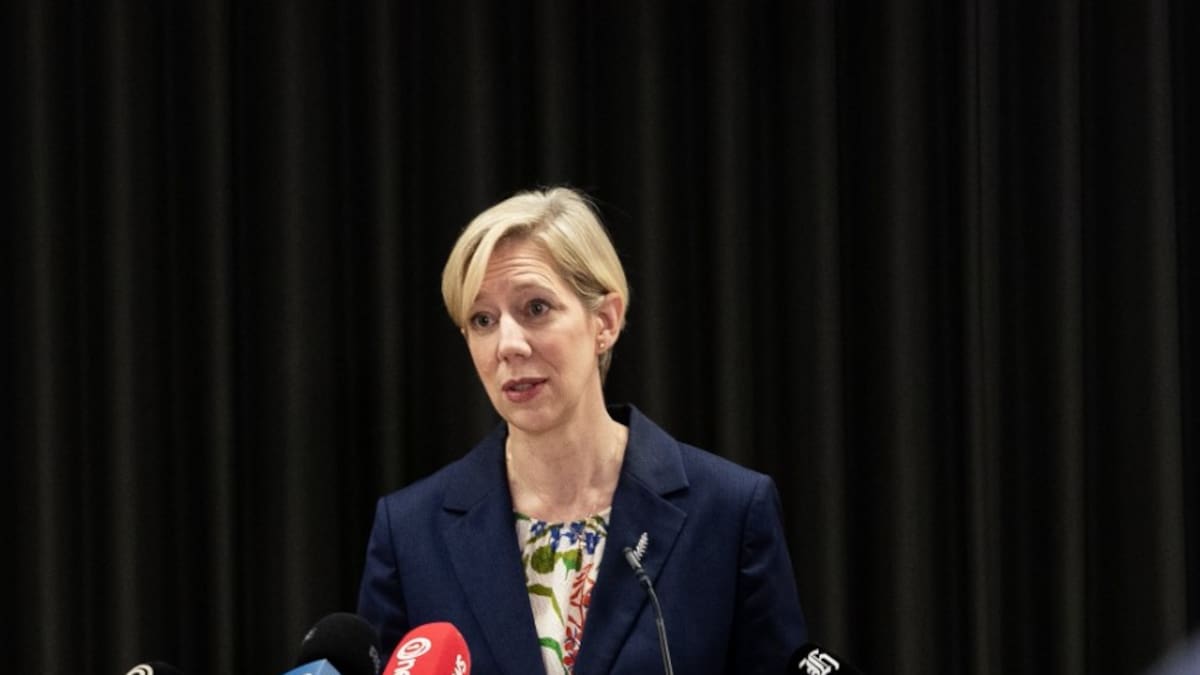
The key takeaway from RBNZ Governor Anna Breman’s speech on March 24 was that the RBNZ was likely to take a cautious approach in responding to Middle East ructions, said ASB senior economist Jane Turner.
“The global economy has been upended by war in the Middle East, which has seen fuel prices rocket and transport and supply chains upended,” Turner said.
“The New Zealand economy has been significantly impacted, and uncertainty is elevated.”
The Governor’s speech laid out the state of play very clearly, said ANZ chief economist Sharon Zollner.
“Oil shocks are difficult for monetary policy to deal with,” she said.
“Their impacts are clearly negative – weaker growth and higher inflation – but how monetary policy should respond is ambiguous, because the impact on medium-term inflation is ambiguous.”
The inflation shock could broaden and become persistent, in which case more/sooner OCR hikes would be needed, Zollner said.
But there was also a scenario where the confidence hit and blow to discretionary spending were so large that OCR cuts were appropriate.
“From a ‘first do no harm’ perspective, wait and see is the sensible approach until the picture becomes clearer,” Zollner said.
Breman had stressed that the RBNZ was focused on medium-term inflation, said BNZ head of research Stephen Toplis.
“[The RBNZ] accepts there will be a near-term spike in prices [how could it not?!] but will only raise [or lower] rates based on how permanent that inflation shock becomes. And it will take time to establish a strong view on this, perhaps many months.”
In an unconventional move related to Iran war uncertainty, the RBNZ will hold a post-release press conference tomorrow, despite this being just a Monetary Policy Review (as opposed to a full Monetary Policy Statement).
Westpac chief economist Kelly Eckhold said he didn’t expect the RBNZ to provide a full update of its economic projections, despite plans for a special press conference.
That would still likely come as usual when it releases the next Monetary Policy Statement in May, he said.
“But we don’t rule out the possibility that the RBNZ could provide some preliminary quantification of how the conflict has impacted the near-term outlook for inflation and GDP growth that was presented in the February MPS [such as where inflation may peak and how much growth might be impacted this year].
“Such estimates could be refined in May based on developments in the Middle East and with the benefit of early economic data and further anecdotes quantifying the impact on New Zealand consumer and business behaviour.”
The bank would aim to balance a desire to avoid a further tightening of financial conditions with the desire to not sound complacent about the medium-term inflation risks that come with an energy price shock, Eckhold said.
Current levels of geopolitical uncertainty meant the RBNZ needed to keep all options open, he said.
“We can’t assume inflation will automatically revert to more normal levels, but we also can’t assume it won’t,” he said.
Wholesale interest rates had already risen substantially since the onset of the conflict, pushing up local mortgage rates.
The RBNZ had to be alert to the possibility that financial stability issues globally could see financial conditions tighten further, Eckhold said.
“That’s another reason for not putting maximum weight on forecasts that suggest risks of inflation remaining elevated for a long time.
“The market might do some of the job for us. And there might be bigger fish to fry.”
Liam Dann is business editor-at-large for the New Zealand Herald. He is a senior writer and columnist, and also presents and produces videos and podcasts. He joined the Herald in 2003.
Stay ahead with the latest market moves, corporate updates, and economic insights by subscribing to our Business newsletter – your essential weekly round-up of all the business news you need.