
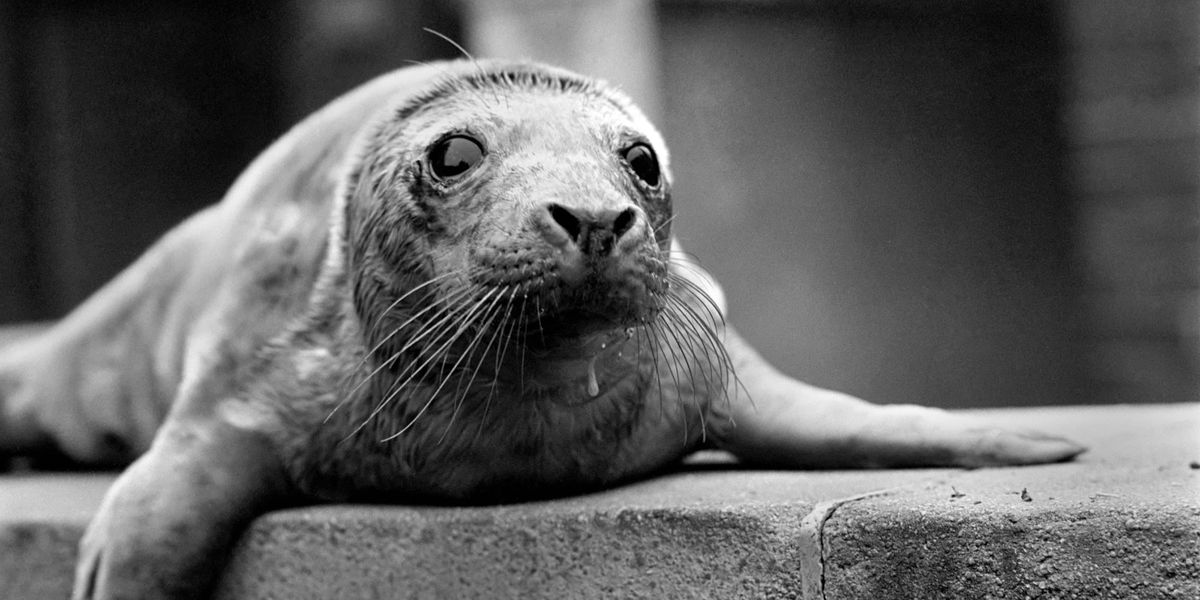
A grey seal is suspected of killing a dolphin off the Welsh coast, marking the first such fatal attack recorded in these waters.
The common dolphin’s body washed ashore on Newgale beach in Pembrokeshire in late February, bearing telltale corkscrew-shaped wounds across its midsection.
Marine investigators believe a seal used its razor-sharp teeth to strip away the blubber, leaving the animal’s internal organs exposed.
The attack is thought to have been carried out by grey seals operating in waters stretching from Wales to the south-west coast of England.
This incident follows a January sighting of a common dolphin trapped in a grey seal’s jaws in the Irish Sea near Dublin, along with two further suspected attacks off Devon late last year.
Scientists have now identified 20 individual seals responsible for such attacks across the British Isles, recognising them by their distinctive facial scars.
Researchers believe these predators may be passing on their hunting techniques to one another.
“I suspect it will be taught,” said Mat Westfield, co-ordinator at Marine Environmental Monitoring.
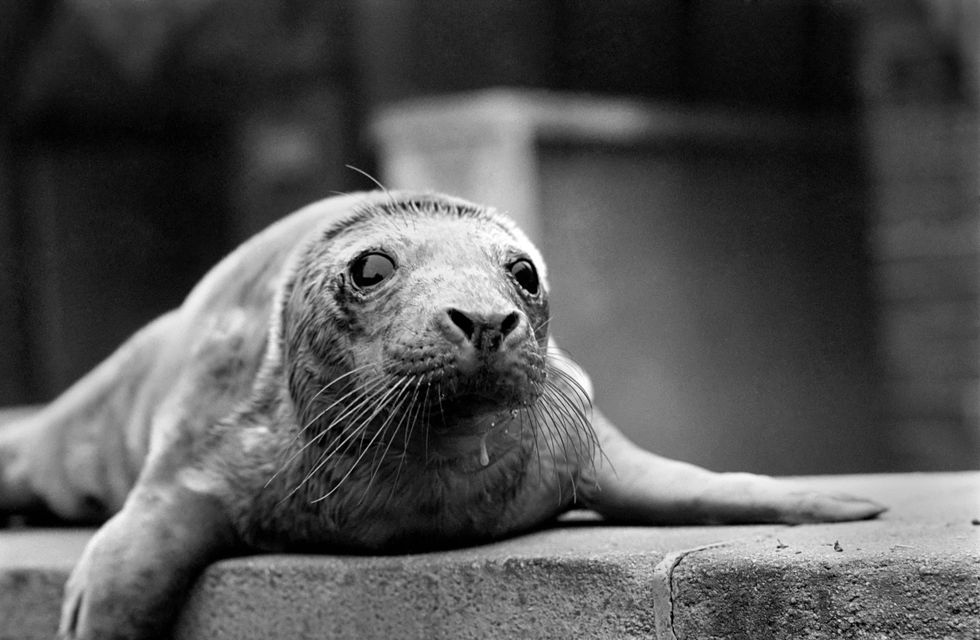
A grey seal is suspected of killing a dolphin off the Welsh coast, marking the first such fatal attack recorded in these waters
|
GETTY
“I think it will be a slow process, but we will see more and more of it.”
The actual number of seals engaging in this behaviour is likely far higher than currently documented.
Dr Izzy Langley, a researcher at the University of St Andrews, described the known figure as a “major underestimate”, noting that offending animals have been spotted as far afield as northern Germany across the North Sea.
Grey seal populations in British waters have undergone a remarkable recovery over the past century.
Numbers plummeted to approximately 500 animals in the early 1900s due to hunting, but have since surged to around 120,000 today.
Experts believe male seals may have acquired their appetite for dolphin flesh through cannibalistic behaviour.
During the breeding season from September to January, bulls fast while competing for mates with females who have just weaned their young.
Research suggests these males have begun feeding on seal pups to sustain themselves, tearing off strips of energy-rich blubber rather than consuming the entire animal.
A decade-long Scottish study found cases of grey seal cannibalism nearly tripled between 2015 and 2016, with this behaviour first documented in Nova Scotia in 1992.
Despite being considerably faster swimmers than seals, dolphins may not have developed an instinctive wariness of these predators, making them vulnerable to ambush.
The situation has been compounded by a dramatic increase in common dolphin numbers off the Welsh coastline, with sightings rising eightfold over the past eight years, according to Sea Trust Wales.
Commercial fishing operations have depleted fish stocks further offshore, pushing dolphins into shallower coastal waters in search of food.
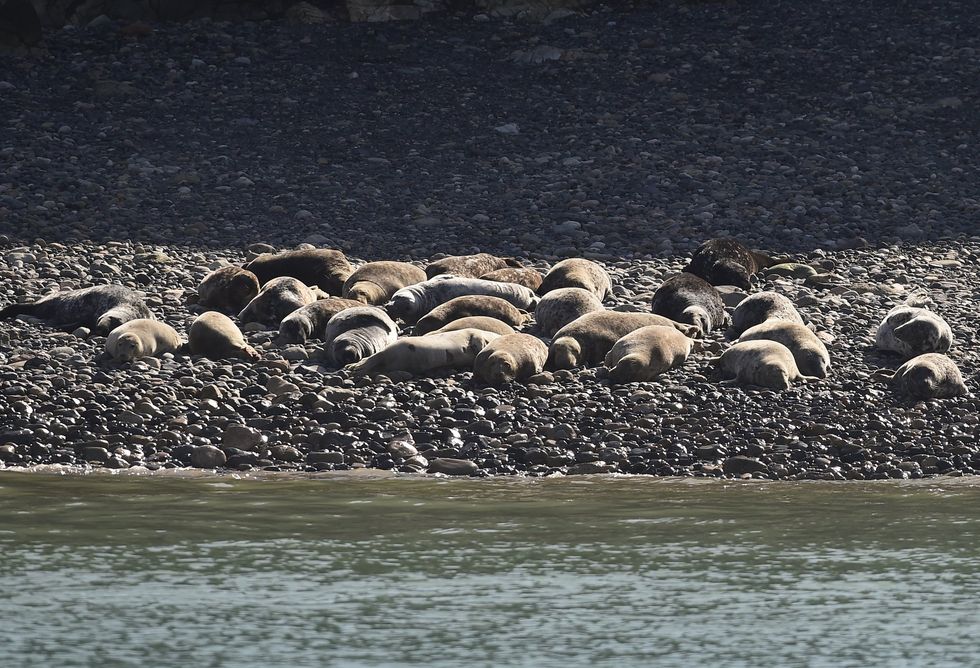
A decade-long Scottish study found cases of grey seal cannibalism nearly tripled between 2015 and 2016, with this behaviour first documented in Nova Scotia in 1992
|
GETTY
Trapped between cliffs and beaches, these intelligent creatures become easy prey for opportunistic seals.
“It’s like entering a fast food restaurant” for them, said Dr Sophie Brasseur, a marine mammal expert at Wageningen University in the Netherlands.
Dr Lonneke L IJsseldijk, a marine mammal researcher at Utrecht University, noted another consequence of the shift from hunting smaller porpoises to larger dolphins.
She suggested it showed “the adaptive and explorative behaviour of grey seals”.